
Two Thousand Kisses a Day: Gentle Parenting Through the Ages and Stages
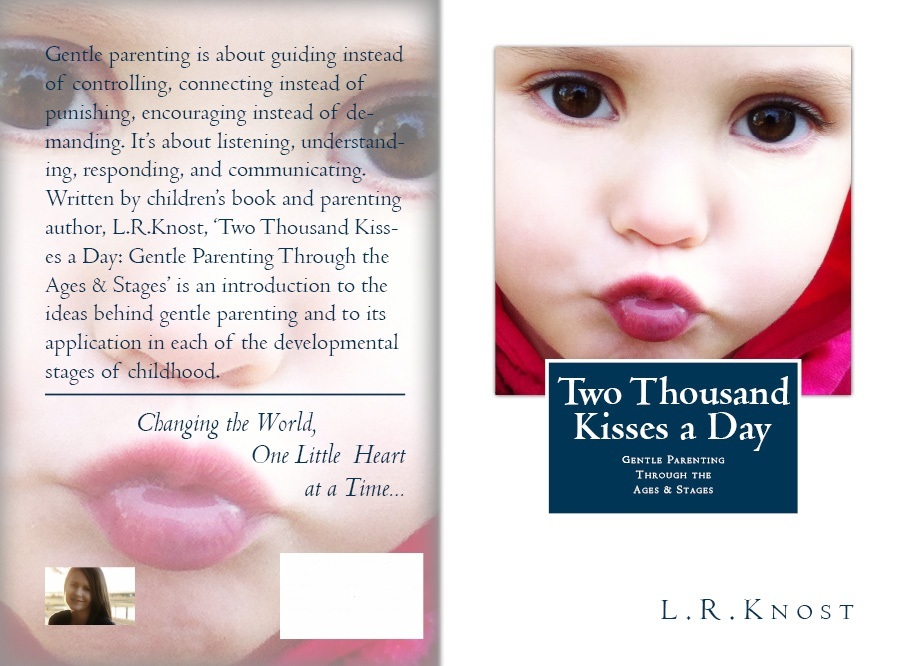 Two Thousand Kisses a Day: Gentle Parenting Through the Ages and Stages now available on Amazon:
~The birth story of a book~
A mother is born…
Many years ago (26 to be exact!), a small, scared, pregnant, teenage girl walked down the aisle to her tall, scared, clueless, young man and they said their “I do’s.”
But what were they going to do? No earthly idea! They didn’t have the internet to surf for blogs about parenting and marriage, couldn’t afford the few paltry magazines available on those subjects at the time, and weren’t convinced that the way their parents had raised them was exactly how they wanted to raise their unexpected little blessing. So, they simply joined hands and hearts and figured it out the old-fashioned way…through trial and error.
The young girl gave birth prematurely and, after a terrifying NICU stay, brought home her barely 5 lb baby boy. Since the young couple were living on one income and were barely able to feed themselves, it made sense to them to breastfeed their little one. Neither one had ever even seen a mother breastfeeding her baby or even heard of a lactation consultant and no one at the hospital had mentioned breastfeeding at all, so the two young people just kept working through the cracked, bleeding nipples, engorgement, over-supply, and other issues until they got it figured out…and then they were breastfeeders!
Neither one of the young couple had ever read a parenting book or had ever even heard the words ‘cry-it-out,’ and the young girl discovered their first night home how much easier it was to clear away all of the pillows and blankets to keep her baby safe and then simply take her little guy into bed with her and breastfeed him when he was hungry…and then they were co-sleepers!
‘Self-soothing’ was another term the two young people had never heard, so the two of them just did what came naturally and picked up their baby when he fussed or grunted or just looked cute and finally found it easier to just snuggle their little preemie into a baby carrier and tote him around with them wherever they went…and then they were babywearers!
As their precious little guy got bigger and began to explore his new world, the young couple delighted in everything he did and simply moved him or distracted him with songs and toys if he got into things. They couldn’t bear the thought of hurting their son, so punitive parenting just wasn’t an option. They decided to treat their little guy like a person instead of a possession and communicate with him instead of punishing him…and then they were gentle discipliners!
Now, this journey might sound like an easy one when summed up this way, but I can assure you it wasn’t. The young couple, my amazing husband and I, encountered strong criticism of our parenting choices through the years:
- We were warned that our marriage would suffer at the very least, and our babies would suffocate at the worst, if we slept with them in our bed instead of putting them in isolation to sleep.
- We were informed that my breasts would look like deflated balloons and reach my knees by my thirties if I breastfed more than a few weeks.
- We were admonished that our children would grow into spoiled brats if we responded to their needs instead of teaching them to ‘deal with it’ and ‘self-soothe’ their own, and would end up as social outcasts or criminals if we encouraged and guided them instead of spanking them.
These challenges to our parenting style were difficult at the time, and they sometimes even resulted in people choosing to de-friend us (not Facebook de-friending, in real life!), but that had the powerful positive effect of making us really examine what our beliefs were and, as a result, strengthening and solidifying our values, our marriage, and our family.
As for the dire warnings listed above:
- Our beautiful, strong, loving marriage is in its 27th year.
- Our children all survived and thrived on co-sleeping (our littlest is still safely and contentedly sleeping in our bed) and have, in their own time, moved happily to their own rooms.
- Except for being a couple of cup sizes larger at the moment since I’m breastfeeding a toddler, lol, my breasts are normal despite the fact that I’ve breastfed little ones for a cumulative 10+ years of my adult life!
- Our children are, in order, a 25-year-old Pastor (our firstborn son mentioned in the story above who is now a husband and father of two!), a 23-year-old Family Therapist, an 18-year-old pre-med university student on scholarship, 13- and 7-year-old beautiful and well-behaved homeschooled girls with lots of friends (soooo not social outcasts!), and a sweet and happy 2-year-old baby girl. Not a spoiled brat or criminal in the bunch!
Our journey to gentle parenting has had another, somewhat unexpected, effect. While we may not agree with others’ parenting choices, we have been on the receiving end of criticism far too long not to have learned this lesson: Gentle parenting is for parents, too! We have learned to respond gently to our friends who don’t agree with us, even when they don’t respond gently to us. Responding with harshness and criticism doesn’t work with adults any better than it does with children! Responding gently to those who disagree with us may or may not affect their parenting choices, but what it does do is model respectful behavior and conflict resolution to our children and, most of the time, preserve dear friendships.
A gentle parenting advocate is born…
This journey also resulted in a passion for children and family harmony that launched me many years ago into the world of parent coaching and child advocacy and later initiated the creation of Little Hearts/Gentle Parenting Resources as a consulting and educational resource for parents, caregivers, and educators. The culmination of this work led to the development of a series of gentle parenting handbooks designed to equip parents with the information and tools they need to gently guide their children from infancy through toddlerhood and the preschool years and on through middle childhood, the teen years, and beyond.
A book is born…
Two Thousand Kisses a Day: Gentle Parenting Through the Ages and Stages is the first in the series. It is an introduction to the ideas behind gentle parenting and provides practical examples of its application in each of the developmental stages of childhood such as the transition from diapers to potty, problems with sharing, coping with picky eaters, guiding children gently through behavioral issues, and more!
*also published in The Natural Parent Magazine
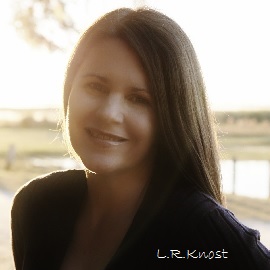 Award-winnning author, L.R.Knost, is the founder and director of the children's rights advocacy and family consulting group, Little Hearts/Gentle Parenting Resources, and Editor-in-Chief of Holistic Parenting Magazine. Books by L.R.Knost include Whispers Through Time: Communication Through the Ages and Stages of Childhood ; Two Thousand Kisses a Day: Gentle Parenting Through the Ages and Stages ; The Gentle Parent: Positive, Practical, Effective Discipline ; and Jesus, the Gentle Parent: Gentle Christian Parenting the first four books in the Little Hearts Handbook gentle parenting series, and children’s picture books Petey’s Listening Ears and the soon-to-be-released Grumpykins series.

Death of a Butterfly: Helping Children Cope with Loss

[Reprinted from Two Thousand Kisses a Day: Gentle Parenting Through the Ages and Stages by L.R.Knost. Whispers Through Time: Communication Through the Ages and Stages of Childhood and The Gentle Parent: Positive, Practical, Effective Discipline also now available on Amazon and through other major retailers.]
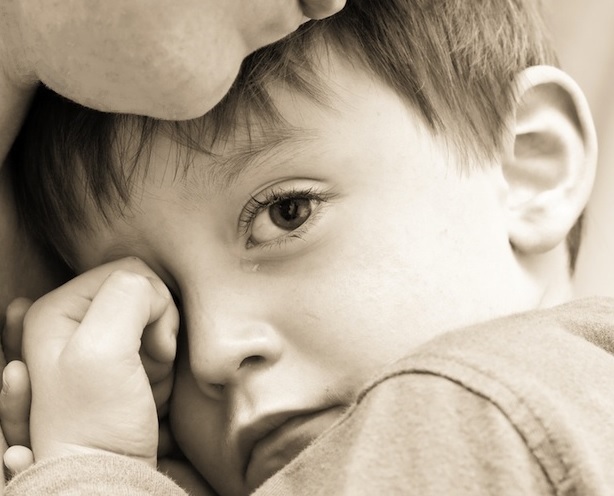 My little Funny Face accidentally killed a butterfly today. Her sweet little heart is broken, poor thing. We’re walking through the stages of mourning together as I use these small (to us adults) losses to equip her with healthy tools for handling the difficult things life will surely bring through the years, as it does to all of us. Whether it’s the death of a butterfly, the loss of a favorite stuffed animal, or another loss that matters to them deeply, guiding children through their uncomfortable and often overwhelming emotions is something parents are often unprepared to handle. Here are the steps we take together when life gets hard and loss becomes a reality to my children:
1.) Feeling~The first step is simply allowing my children to feel their emotions. If they’re crying, I listen to their cues to know when to offer hugs or if they need some time alone or just someone to sit quietly next to them. If they’re angry, I watch closely to see if they need some directions for a safe outlet such as punching a pillow or going outside to kick a ball or if they are able to just stomp around and get it out that way. If they are unnaturally quiet, I let them know I’m there if they need me and then I leave them alone to sort through their emotions in their own time.
2.) Expressing~The second step is guiding my children to express their feelings in some tangible form. This step begins either when they initiate a conversation about the loss or when I see that their emotions are getting the best of them, indicating that they need some assistance in moving forward. This step may take the form of simply talking through what they are feeling, but typically it includes drawing a picture, making up a song or dictating a poem for me to write down for them, making a memory box, or some combination of each of them.
3.) Refocusing~The third and last step is giving my children ideas about how to move on. It’s often hard for them to figure out how to redirect their thoughts from constantly swirling around their loss. It takes a measure of mental maturity to be able to focus elsewhere when emotions are running high. This is not to say that they should never think about their loss again. I am always open to listening to their feelings and sharing their memories with them. This last step is just gently helping them to consciously shift their attention from what they have lost to what they still have, moving their thoughts from loss to life. This step often takes the form of encouraging them to head outside and play in the mud or climb a tree, or it might be offering to read them a favorite book or play a board game with them or maybe inviting a friend over to play.
While these three steps are in no way exhaustive, the idea behind this process is to simplify the stages of grief in a way that is accessible to parents and understandable to children. And then, when life hits hard and big losses occur such as the loss of a loved one, divorcing parents, etc. having walked through these small losses with our children sets the stage for helping them to work through the harder things while preserving a healthy parent/child connection.
When big life losses do occur, staying in tune with our children and letting them ask questions freely while we work to temper our answers in age appropriate terms is vital. Watching for changes in their behavior helps to give us clues as to what they’re feeling. If they start having trouble sleeping or resisting going to school or having meltdowns, etc. it might be helpful to seek out professional counseling for a brief time. We also need to keep in mind that small children have active imaginations and the line between fantasy and reality is very blurry for them. Death may not impact them much at all if the reality of it doesn’t sink in, or, on the flip side it could have a significant impact and they could begin to imagine all sorts of awful things happening to them or their family or friends. It’s important to let our children lead the way as to how we need to help them cope. Our local library or online at Goodreads or Amazon’s Listopia can also be good resources for age appropriate books on death and grief to share with our children. We do need to be sure to read through them ourselves first to make sure we’re comfortable with how things are presented, though.
Here is a brief, generic ‘script’ that can be used as a starting point for sharing difficult news about a loss with our children:
“I have something to tell you, and it’s a very hard thing. I want you to know that you are safe, and I’m safe, and I’m right here to help you, okay?”
(Give them time to respond.)
“Your (grandpa, aunt, friend, etc.), *name,* died. Do you know what ‘died’ means?”
(Give them time to respond.)
“It means they’re gone to (fill in your belief), and they won’t be coming back.”
(Give them time to respond.)
“It’s okay to be sad or even angry or scared. Those are normal emotions when people die. We are all very sad because we’re going to miss *name.*”
(Give them time to respond.)
“You’ll probably need some time to think about what happened, and you’ll probably have questions. That’s okay. And it’s okay to talk about *name,* too. We all are going to miss *name* and talking about them can help us to remember happy times with them.”
(Give them time to respond.)
“Would you like to make a goodbye card or a memory box? That might help you to feel better.”
Obviously this is a generic script that will need to be adapted based on a child’s responses, but it provides a starting point to open the conversation and begin to walk them through the grieving and healing process. Time does heal, but often it isn’t simply the passage of time that heals, but rather the support and comfort from those with whom we spend that time.
Related posts:
Children in the three to six-year-old age range are beginning to realize that their parents aren’t the all-powerful beings that they once believed them to be. This realization can be very uncomfortable for them, causing them a great deal of unease as they are concurrently beginning to realize that there is a whole, big, wide world beyond their safe, little home, a that the world is full of potential dangers, hazards unknown, and just a lot of really big, scary things. So what is a parent to do with their newly timid little house-mouse? The Age of Fear~Young Children and Anxiety
Award-winnning author, L.R.Knost, is the founder and director of the children's rights advocacy and family consulting group, Little Hearts/Gentle Parenting Resources, and Editor-in-Chief of Holistic Parenting Magazine. Books by L.R.Knost include Whispers Through Time: Communication Through the Ages and Stages of Childhood ; Two Thousand Kisses a Day: Gentle Parenting Through the Ages and Stages ; The Gentle Parent: Positive, Practical, Effective Discipline ; and Jesus, the Gentle Parent: Gentle Christian Parenting the first four books in the Little Hearts Handbook gentle parenting series, and children’s picture books Petey’s Listening Ears and the soon-to-be-released Grumpykins series.
Bubble-Wrapped Kids? You bet!
[By L.R.Knost, author of Two Thousand Kisses a Day: Gentle Parenting Through the Ages and Stages now available on Amazon and through other major retailers.]
There is a lot of debate in the blogosphere about Helicopter Parenting and Bubble-Wrapped or Cotton-Wool Kids. I make no apologies for protecting my children. They say crime is down. Maybe per capita it is overall down. Maybe there are less arrests or convictions or whatever. Or maybe there is less shoplifting and littering and other non-violent crimes. Or maybe ‘they’ are wrong. I don’t know, and I don’t care.
Walk into a Wal-Mart and look at the wall of missing children, and you’ll see new faces nearly every day. Turn on the news, and you’re almost guaranteed to hear about a new heinous crime against a child. Misspell something on Google, and the sites that will appear in your search results will sicken you.
But if none of that were true, I’d still be the protective parent that I am. I’d still be that parent because of one sweet little local girl who was lost forever to a fiend. When I hear the name Jessica Lunsford, my heart shivers to a blood-curdling stop for a brief moment, and I have to catch my breath.
I remember the days after she went missing. I remember praying for her safety, praying for her family, praying for the rescuers and volunteers who were searching day and night for her. I remember checking for news updates multiple times a day, a silent prayer in my heart, begging, “Please, God, please.”
And the whole time I was praying, the whole time rescuers, family, friends, volunteers were searching, she was mere yards from her home being kept in a closet by a depraved monster who abused her and then buried her alive.
So, yes, I do guard my children closely. Outside play is free, muddy, messy, regular…and supervised. Bike riding is a family activity. Public bathroom trips are on the buddy-system. Sleepovers are almost exclusively at our house.
My children are homeschooled, but the oldest two started out in public school. For those few years, I drove them to and from school. I chaperoned field trips. I volunteered as a teacher’s aid.
There is more history to my journey, of course. There are happenings in my childhood I won’t share. There are people in my past who did what they should not.
 And there are other things that led me here, to this place of mama lioness guarding her young fiercely, to this 5’1” person who could and would take on the most ferocious of threats to protect her children, to this gentle mother who will face the vileness of the world fearlessly and boldly to guard her little ones’ hearts, minds, and bodies. There is more, so much more I have seen and heard and experienced, but that will remain unsaid.
I will not apologize for protecting my children, no matter what the newest label or theory or study shows. My children are free to climb trees, hang from monkey bars, and play king-of-the-mountain on huge dirt mounds. But they aren’t free to hang out at the mall alone. They can scavenge their daddy’s workshop for scrap wood and other ‘treasures’ and use his tools to build…well, whatever their incredible imaginations come up with! But they can’t walk to the store by themselves. They can troll the beach for shells and explore the rocky inlet for sand dollars and sea urchin. But they aren’t allowed to surf the internet without supervision.
Freedom to explore. Freedom to grow. Freedom to discover. Freedom to become who they are meant to be. All within the boundaries of parental guidance and protection. That is how it is in our home. And our home is truly a happy and safe place to be.
Related posts:
The Measure of Success~Chinese Parents and French Parents Can’t BOTH Be Superior!
Tots to Teens~Communication Through the Ages and Stages
Babes and Boundaries~A Gentle Parenting Perspective
Into the Looking Glass~Teens and Self-Esteem
Award-winnning author, L.R.Knost, is the founder and director of the children's rights advocacy and family consulting group, Little Hearts/Gentle Parenting Resources, and Editor-in-Chief of Holistic Parenting Magazine. Books by L.R.Knost include Whispers Through Time: Communication Through the Ages and Stages of Childhood ; Two Thousand Kisses a Day: Gentle Parenting Through the Ages and Stages ; The Gentle Parent: Positive, Practical, Effective Discipline ; and Jesus, the Gentle Parent: Gentle Christian Parenting the first four books in the Little Hearts Handbook gentle parenting series, and children’s picture books Petey’s Listening Ears and the soon-to-be-released Grumpykins series.
Avenging Childhood~The Change Makers
As I drove out of my driveway this afternoon, I glanced up and saw The Avengers racing around my neighbor’s yard, intent on fighting crime (or each other or the dog or some dragonflies, lol). It made my heart so happy to see childhood…just real, everyday, the-way-children-through-the-ages-have-played kind of childhood at its most honest and robust and carefree. I jumped out of my van and proceeded to confirm my neighbor’s suspicions that I’m a little off my rocker by wildly waving my camera in the air and pointing at her adorable boys roughhousing, silently asking for permission to play paparazzi. She nodded, and the boys hammed it up for me for a few minutes, posing and posturing in their wonderful world of make-believe.
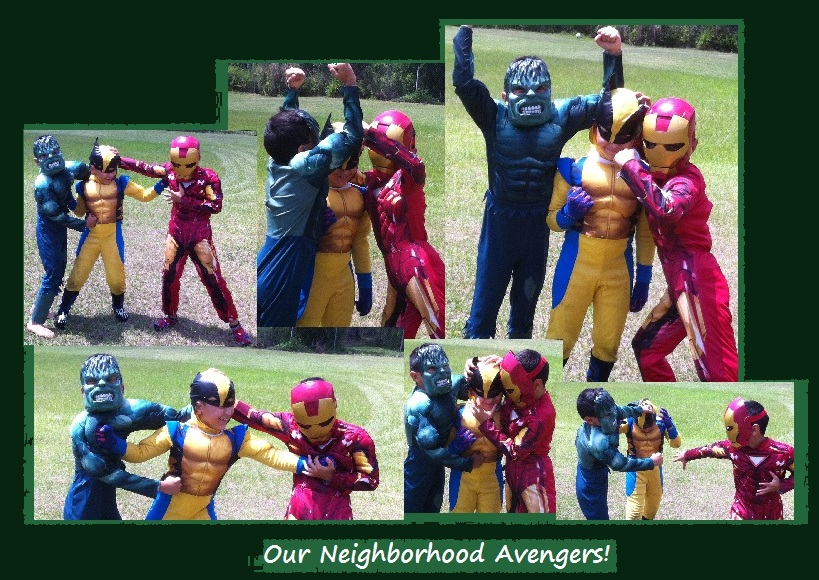
I climbed back into my van amidst my little girls’ giggles (pretty sure they were laughing more at me for taking pictures of the neighbors rather than laughing at the boys’ antics). As we headed off on our afternoon errands, I thought about how the world has changed, but children haven’t. Yes, over time the world will do its share of influencing or corrupting, as the case may be, but children are born children just like they have been since the beginning of time.
Every child is born a fresh, new, open book with pages and pages waiting to be filled.  Everything is new. Every day is an adventure. Every experience is an opportunity for discovery. Whether they’re boys or girls, whether they have average or advanced or impaired cognitive or motor abilities, whether they’re Asian or Caucasian, Black or Middle Eastern, Hispanic or (as a growing number are worldwide) a unique blend of races and ethnicities, they all start out the same…brand-new, innocent, precious beyond compare.
I am passionate about helping parents fill the first pages of their children’s lives with messages of gentle welcome, of needs met, of trust. I’m equally passionate about helping parents transition into later stages where they are simply there to offer guidance, support, and encouragement as their children begin filling the pages of their lives with their own choices, interests, and gifts.
I’ve heard it said that only those crazy enough to think they can change the world actually do change it. I honestly believe that changing the world starts at home with how we parent our children. Maybe my neighbor is right about me, after all. 🙂
*Book art via Anagram Bookshop*
Related posts:
Communication vs. Miscommunication
Playground Confessions~Look Who’s Talking!
The Measure of Success~Chinese Parents and French Parents Can’t BOTH Be Superior!
Award-winnning author, L.R.Knost, is the founder and director of the children's rights advocacy and family consulting group, Little Hearts/Gentle Parenting Resources, and Editor-in-Chief of Holistic Parenting Magazine. Books by L.R.Knost include Whispers Through Time: Communication Through the Ages and Stages of Childhood ; Two Thousand Kisses a Day: Gentle Parenting Through the Ages and Stages ; The Gentle Parent: Positive, Practical, Effective Discipline ; and Jesus, the Gentle Parent: Gentle Christian Parenting the first four books in the Little Hearts Handbook gentle parenting series, and children’s picture books Petey’s Listening Ears and the soon-to-be-released Grumpykins series.
The Many Adventures of My Little Pooh Bear
“There is nothing that human beings do, know, think, hope, and fear that has not been attempted, experienced, practiced, or at least anticipated in children’s play.”~Heidi Britz-Crecelius
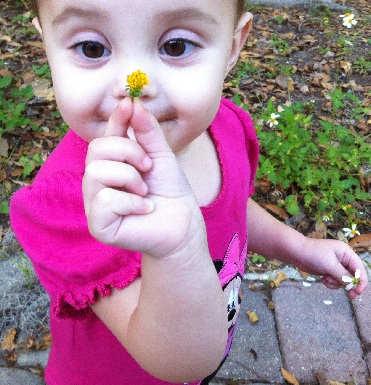
“Weeds are flowers, too, once you get to know them.” A.A.Milne
As A.A.Milne wrote in The Many Adventures of Winnie the Pooh, we went on a long ‘explore’ the other day simply because “It was a drowsy summer [well, actually, spring] afternoon, and the Forest was full of gentle sounds…”
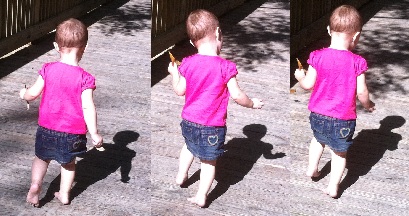
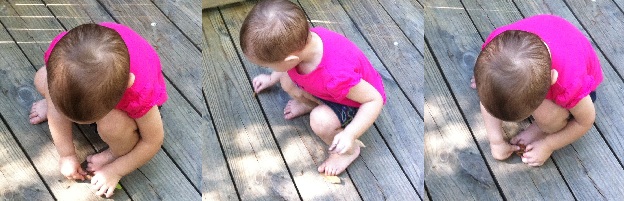
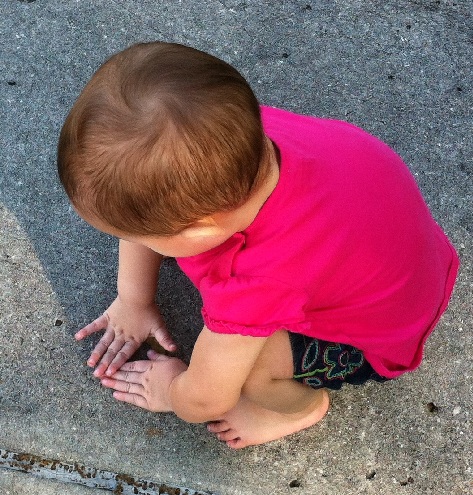
My poor little Pooh Bear has been sick for weeks now, and I’ve been taking her out in the sunshine for a daily dose of vitamin D and fresh air to supplement her traditional medicines. On this particular day, which just happened to be the first day of spring, I played the role of adoring paparazzi and just snapped picture after picture as my little explorer wandered here and there at her own toddling pace. Looking over the myriad of pictures later was educational…for me!
My little explorer studied…
Light and Shadow as she danced with her shadow…
Me 'n my shadow
and moved leaves back and forth, back and forth from sun to shade and back again.
Leaf Shadows
Texture as she went from the wooden foot bridge to the concrete and studied the hard and soft, the rough and smooth, the cold and warm.
This feels different than the wooden bridge!
Physics as she threw leaves into the breeze and discovered how the small ones fluttered away and the big ones fell unless she crumpled them into smaller pieces.

Ah Ha! Some leaves float in the wind when I throw them, and some drop to the ground!
Directionality as she put leaves over the railing, through the railing, and under the railing.
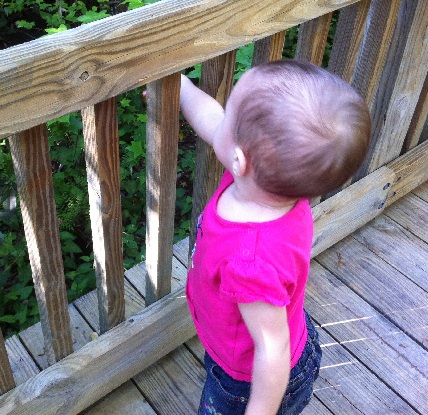
Over, Under, Through!
And so much more, all in a supervised, but undirected day of play!

“Sometimes, if you stand on the bottom rail of a bridge and lean over to watch the river slipping slowly away beneath you, you will suddenly know everything there is to be known.”~A.A.Milne
Studies are confirming what early childhood education experts have known for years…Formal instruction can interfere with a preschooler’s creativity and problem-solving skills. A.A.Milne clearly understood that fact long ago when he included this thought-provoking dialogue in his classic children’s picture book,
“Rabbit’s clever,” said Pooh thoughtfully.
“Yes,” said Piglet, “Rabbit’s clever.”
“And he has a Brain.”
“Yes,” said Piglet, “Rabbit has a Brain.”
There was a long silence.
“I suppose,” said Pooh, “that that’s why he never understands anything.”
Gail Connel of Moving Smart puts it this way, “When we say ‘learning’ we actually mean ‘understanding,’ described by Merriam-Webster as ‘to grasp the meaning of.'” She goes on to give an example:
“Point to the top of your head, then point to the top of your toe. You pointed in two completely different directions. So what does ‘top’ mean? And if ‘top’ is in both of those places, then where is the top of the page?
Only after learning ‘top’ in many different ways will they begin to understand that ‘top’ is more than a location, it’s a concept. And to do that, they must experience it – literally and physically — by pointing to the top, touching the top, crawling along the top, running to the top, reaching the top, and on and on. And while they’re doing that, your use of the word ‘top’ helps them associate what they’re doing with what it’s called.
LANGUAGE + EXPERIENCE = UNDERSTANDING”

“Promise me you'll always remember: You're braver than you believe, and stronger than you seem, and smarter than you think.”~A.A.Milne
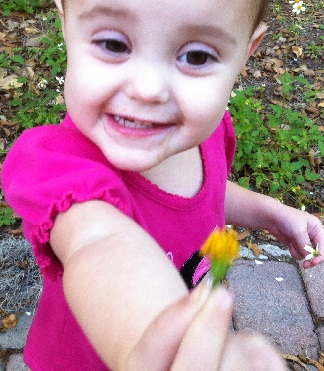
“Yesterday is history, tomorrow is a mystery, but today is a gift. That's why we call it the present." ~Winnie the Pooh
Related posts:
Children who love to read…READ! Engaging children’s hearts in the wonder of reading instead of just training their minds in its mechanics. Raising Bookworms
Think homeschooled children are unsocialized, over-controlled, locked-away-from-the-world misfits? Think again! My Renaissance Girl
In the world of a child wonders are as simple as sticks and sheets, leaves and books, boxes and giggles, and the promise in a rainy day. The Seven Wonders of the World of Childhood
There is such a rush these days to get children sleeping through the night, weaned off the breast, eating solid foods, potty trained, reading independently, and on and on, that we seem to have lost the ability to simply enjoy life as it happens and let our children do the same. A Return to Childhood
Parenting choices strongly impact the level and type of attachment a child develops and, by extension, the development of a love of learning. A love of learning grows when it isn’t stifled by fear or stress or regimented by over-structuring or a focus on achievement or competition. Parents fostering a healthy attachment are thus also fostering a life-long love of learning in their children. Live to Play~Play to Learn~Learn to Live!
Successful reading means far more than possessing the ability to read. Engaging the hearts of students moves reading success beyond a life skill and turns it into a life style. And graphic novels are too powerful of a tool in our arsenal to be disregarded because of pride or prejudice. Raising Super Readers~The MARVELous Power of Comic Books!
If you give a toddler a book
He’ll climb into your lap
While he’s in your lap
He might lay his head on your chest
When he lays his head on your chest
He’ll hear your heartbeat
When he hears your heartbeat
He’ll probably ask if you can hear…
Award-winnning author, L.R.Knost, is the founder and director of the children's rights advocacy and family consulting group, Little Hearts/Gentle Parenting Resources, and Editor-in-Chief of Holistic Parenting Magazine. Books by L.R.Knost include Whispers Through Time: Communication Through the Ages and Stages of Childhood ; Two Thousand Kisses a Day: Gentle Parenting Through the Ages and Stages ; The Gentle Parent: Positive, Practical, Effective Discipline ; and Jesus, the Gentle Parent: Gentle Christian Parenting the first four books in the Little Hearts Handbook gentle parenting series, and children’s picture books Petey’s Listening Ears and the soon-to-be-released Grumpykins series.
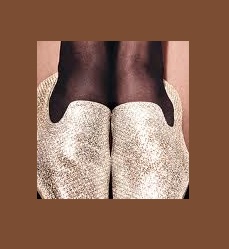
A Mile In Their Shoes
Before you judge someone, walk a mile in their shoes. ~Unknown
My mother always taught me to think about things from other people’s perspective before reacting to them, a life lesson that has translated into the empathetic, gentle style of parenting I teach, write about, and follow with my own children. Discerning what other people feel isn’t always easy, of course, and our own experiences, attitudes, and emotions can get in the way. But seeking to not just understand, but to really feel what another person feels is vital to true communication and connection. To that end, I try to always ask myself, whether interacting with my children, my husband, or any other person who crosses my path, “How would I feel if…”
So come, take a walk with me~
 How would I feel if I was suddenly thrust from my safe, familiar world into a startlingly new and uncomfortable world where I couldn’t function on my own, where my very survival depended entirely on beings who I didn’t know, didn’t understand, and who didn’t understand me? Would I learn to feel safe in this new world if they left me for hours on end in dark places with no way to communicate, no way to meet my own needs? Or would I learn to trust these new beings if my needs were met day and night, if they were always available, always responsive, always gentle?
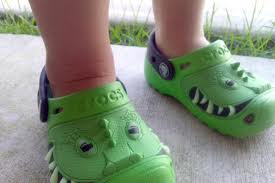 How would I feel if I was a small person in a big world, a world where large beings were constantly jabbering at me in a language I barely understood, a world where everything was a challenge, from climbing out of a chair to learning to control my bodily functions, a world where every day, all day long, I was confronted with new things to taste, new things to explore, new things to discover. If I tried to communicate and no one slowed down to listen, would I learn to listen? If I got overwhelmed by all the new challenges and was punished, would I learn how to cope with my emotions? If I was snatched away from my explorations with no warning, no explanation, would I learn to respect other people’s spaces and paces? Or would I learn to listen if I was heard, cope if I was helped, and respect if I was respected?
 How would I feel if I was an adult-sized person, my body flooded with a consistently inconsistent rush of mind-altering hormones, in a world of adults who demanded adult maturity from me, but treated me like a child? Would I learn to cope with the huge life changes taking place if my awkwardness incited conflict instead of compassion? Would I be willing to share my struggles if my still-growing communication skills were taken at face value instead of my heart being heard? Would I desire to make good choices if the most important people in my life didn’t trust me enough to let me make them? Or would I learn confidence by being understood, trust by being truly heard, responsibility by being trusted to be responsible?
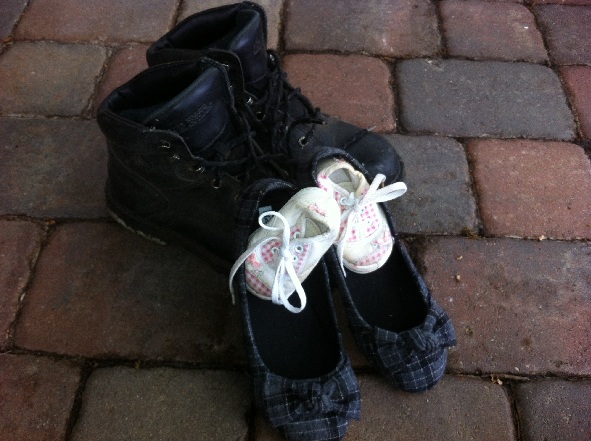 How would I feel if I was a new parent, struggling with exhaustion, overwhelmed by newness, desperate to make the right decisions for my precious new baby, but was surrounded by conflicting advice and head-shakers and nay-sayers? Would I learn to trust my instincts if every choice I made was the subject of commentary and unsolicited advice? Would I grow into my new role if I was pushed and shamed and coerced into following other people’s parenting choices? Would I learn to share my fears and concerns if they were met with negativity, ridicule, and debate? Or would I find my own path in the world of parenting if I was allowed to listen to my heart? Would I discover my parenting niche if I was trusted to make my own choices? Would I be open to new ideas and find support if my struggles were met with reassurance and compassion and acceptance?
 How would I feel if I was a strong, wise, gifted person in a body that was beginning to fail me with age? Would I feel valued if others only saw my frailty and not my strength? Would I offer wisdom if my life experiences were ridiculed? Would I share my gifts if no one bothered to slow down and recognize them? Or would I still feel I had life to live, something to give if my stories were heard, if my wisdom was received, if someone, anyone, took the time to sit with me and talk for awhile.
 Related posts:
The Seven Wonders of the World of Childhood
Playground Confessions~Look Who’s Talking!
The Measure of Success~Chinese Parents and French Parents Can’t BOTH Be Superior!
Award-winnning author, L.R.Knost, is the founder and director of the children's rights advocacy and family consulting group, Little Hearts/Gentle Parenting Resources, and Editor-in-Chief of Holistic Parenting Magazine. Books by L.R.Knost include Whispers Through Time: Communication Through the Ages and Stages of Childhood ; Two Thousand Kisses a Day: Gentle Parenting Through the Ages and Stages ; The Gentle Parent: Positive, Practical, Effective Discipline ; and Jesus, the Gentle Parent: Gentle Christian Parenting the first four books in the Little Hearts Handbook gentle parenting series, and children’s picture books Petey’s Listening Ears and the soon-to-be-released Grumpykins series.