
Parenting Through Cancer: Coping with Emotions
 “Bedtime. Go grab your toothbrush from the suitcase, okay?”
“Why?” my eight-year-old asks.
“It’s late, and we all need to sleep. Please go brush your teeth and get ready for bed,” I reply, distracted as I pack the last few things for my extended hospital stay after my surgery in the morning.
“Why?” her determined voice questions.
“We need to get ready for bed, sweetie,” I answer, still not glancing in her direction as I mentally go through my checklist to make sure I’ve packed everything I’ll need.
“Why?” she persists, her volume rising.
My attention is finally caught by her challenging tone, and I turn to look at her.
Belligerent eyes stare me down.
I take a deep breath to get through my first knee-jerk, stress reaction, then consciously slow my breathing, quiet my thoughts, and focus fully on my strong-spirited little girl who is clearly in contrary mode.
I wait.
She shifts, uncomfortable, then shoots, “Why?”
I soften my gaze and offer a slight smile.
I wait.
“Why?” she snaps again, a bit more quietly.
I hold her gaze calmly, knowing she needs space and time to work through her feelings before she’ll be able to share them.
I wait.
She turns away, her small shoulders stiff as she sits on the side of the bed, her back to me.
I wait.
A minute passes, then two. Then, in a soft voice, “I don’t want you to go.”
“I know,” I say quietly.
I wait again.
Moments pass in silence, then she whispers, “I’m scared.”
“I know, baby. I am, too,” I reply, struggling to hold back my own tears as I hear hers start.
And I wait.
Soon a small body crashes into me and my girl wraps her arms around me tightly. I hold her close, my heart breaking at the pain and fear I wish she never had to feel. After a few moments she slips away and brushes her teeth, then settles quietly into bed.
I lay awake throughout the night, listening to the even breathing of my sleeping eight-year-old nearby and cuddling my tiny cosleeper close and praying desperately for all of my children as I head into the unknown.
Hours later, I slip out of bed and kiss each sleeping child, then leave for an early hospital check-in. My heart stays behind with my feisty sweet girl and my little cosleeper and each one of my six incredibly unique and wonderfully kind-hearted children. This is so hard. Cancer sucks.
Related posts:
My Cancer Story, Part 1: The Diagnosis
The Gift of a Strong-Willed Child
Backtalk is Communication…LISTEN
Bridge Over Troubled Waters~Parenting a ‘Problem’ Child
Spare the Rod: The Heart of the Matter
Toxic Parenting: Spanking, Shaming, Threatening, Manipulating
 Award-winnning author, L.R.Knost, is the founder and director of the children's rights advocacy and family consulting group, Little Hearts/Gentle Parenting Resources, and Editor-in-Chief of Holistic Parenting Magazine. Books by L.R.Knost include Whispers Through Time: Communication Through the Ages and Stages of Childhood ; Two Thousand Kisses a Day: Gentle Parenting Through the Ages and Stages ; The Gentle Parent: Positive, Practical, Effective Discipline ; and Jesus, the Gentle Parent: Gentle Christian Parenting the first four books in the Little Hearts Handbook gentle parenting series, and children’s picture books Petey’s Listening Ears and the soon-to-be-released Grumpykins series.

Did Jesus have a Temper Tantrum?
[Excerpt reprinted from Jesus, the Gentle Parent: Gentle Christian Parenting by L.R.Knost. Two Thousand Kisses a Day: Gentle Parenting Through the Ages and Stages; Whispers Through Time: Communication Through the Ages and Stages of Childhood; and The Gentle Parent: Positive, Practical, Effective Discipline by L.R.Knost also available on Amazon and through other major retailers.]
~~~~~~~~~~~~~~~~~~~~~
 “Jesus entered the temple courts and drove out all who were buying and selling there. He overturned the tables of the money changers and the benches of those selling doves. “It is written,” he said to them, “‘My house will be called a house of prayer but you are making it a den of robbers.’”
Matthew 21:12-13
Temper tantrum: (n.) a loss of mental balance or composure, esp. an outburst of anger or irritation
It may seem a bit disrespectful to label Jesus’ takedown in the temple courtyard as a temper tantrum, but according to the dictionary definition of a tantrum, that would be an accurate designation. He acted out his overwhelming emotions by flipping over tables and throwing chairs and chasing people away in a God-sized, epic tantrum that must have shocked the religious to their core and rocked the pharisaical back on their heels.
So what’s the deal? Are temper tantrums signs of a child’s sinful, selfish nature, as the child-training set are so quick to accuse, or are they normal expressions of overwhelming emotions? Let’s see what the child-trainers have to say:
“A temper tantrum is an absolute rejection of parental authority. Parents should isolate the child (with a promise of consequences), then follow through with chastisement [spanking] after the child settles down.” (Gary Ezzo, Growing Kid’s God’s Way)
“…tantrums are a form of challenging behavior that can be eliminated by one or more appropriate spankings.(p. 108)” (Dr. James Dobson, The New Dare to Discipline)
“A seven-month-old boy had, upon failing to get his way, stiffened, clenched his fists, bared his toothless gums and called down damnation on the whole place. At a time like that, the angry expression on a baby’s face can resemble that of one instigating a riot. The young mother, wanting to do the right thing, stood there in helpless consternation, apologetically shrugged her shoulders and said, “What can I do?” My incredulous nine-year-old whipped back, “Switch him.” The mother responded, “I can’t, he’s too little.” With the wisdom of a veteran who had been on the little end of the switch, my daughter answered, “If he is old enough to pitch a fit, he is old enough to be spanked.(p. 79)” (Michael Pearl, To Train Up a Child)
“If your child is still angry, it’s time for another round. ‘Daddy has spanked you, but you are not sweet enough yet. We are going to have to go back upstairs for another spanking.’”(Tedd Tripp, Shepherding a Child’s Heart)
So, what do you think, parents? Is acting out of overwhelming emotions a sin that must be punished as the child-trainers claim or is it normal human behavior? Is there even such a thing as normal human behavior, or is human behavior itself sinful by its very nature? Is having overwhelming emotions, in and of itself, a sin?
Sin, Biblically speaking, is acting outside of God’s nature. Since Jesus is God in the flesh, he was clearly acting within God’s nature at all times, even though he was also fully human. So, Jesus’ actions and his human behaviors, his normal human behaviors, all fell within the boundaries of God’s nature and therefore were and are not sinful.
Let’s go back to Jesus and breakdown the takedown in the temple. He was angry. He toppled tables. He threw things. He chased people away. But Jesus was and is sinless, so clearly being angry, being overwhelmed by big emotions, and acting on those emotions are not sins, in and of themselves.
When does acting on emotions become sinful, then? The answer lies in Ephesians 4:26-27, “In your anger do not sin: Do not let the sun go down while you are still angry, and do not give the devil a foothold.” Note that it doesn’t say, “Getting angry is a sin.”
Emotions can lead to sin when they remain unsettled, are left to burrow deeply into our hearts and take root, and when we subsequently respond with spite, bitterness, vengeance, or rage.
As parents, then, how can we help our children when they are overwhelmed by their emotions, when they tantrum and cry and act out their big feelings? Does it make sense to expect them to cope with their big emotions alone or to suppress their emotions so they remain unsettled?
Of course not. Our children need us to parent them, not punish them.
“God is our refuge and strength, an ever-present help in times of trouble.”
(Psalm 46:1b)
Just as God is “our refuge and strength” and “an ever-present help” that is what we need to be for our children, to reflect the heart of our Father to our own little ones. We can help them to process their emotions. We can work with them to resolve their problems. And we can equip them with the life skills they’ll need to handle their emotions on their own when they grow into adulthood.
As you read on, remind yourself that having emotions is not a sin and needing help processing those emotions is a normal part of childhood:
When a little person feels frustrated, overwhelmed, or just plain old out-of-sorts (read: tantrum time!), it’s tempting for parents to focus on correction rather than connection. But when children are intensely stressed, the prefrontal cortex of the brain, which in early childhood is an underdeveloped, mushy grey sponge waiting to be formed, is flooded with cortisol, the ‘stress hormone.’ The result is what is known as the fight-freeze-or-flight syndrome in which higher brain functions (learning, reason, self-control) are markedly hampered and lower brain functions (instinct, physical reactions) take over. This is an in-built survival mechanism that gradually comes under conscious control through years of growth in a safe and supportive environment. Interestingly, it is theorized that this underdeveloped ‘sponginess’ is why small children are able to learn new languages more quickly than older children and adults. They are, in a very literal way, absorbing information raw, unhampered by the processing and reason of a more mature brain.
Expecting young children to have the maturity and self-control to overcome this God-given survival instinct is unrealistic. Threatening, punishing, or even reasoning with them while their higher brain functions are suppressed is futile and actually just adds more stress to the situation (more stress = fuel on the tantrum-fire!).
What they really need is help…
- First, help coping with their big emotions
- Then, help reconnecting with their source of safety and security (you!)
- And last, help processing the problem that sent them into a maelstrom of emotion in the first place.
Punishing them, yelling at them, sending them to their room, or putting them in time-out disconnects them even further from their source of security and not only delays a resolution of the issue, but misses an opportunity to equip them with the tools they need to handle future problems.
This is where the Three C’s of gentle discipline come into play:
Connection:
- Remaining present and supportive until they are able to calm down enough to accept your help
- Drawing them close when they’re ready (time-in)
Communication:
- Validating their emotions by labeling them and empathizing (i.e. “You’re sad because we have to leave the park. I’m sad, too. The park is fun!”)
- Offering words to help them express their frustrations using reflective language (i.e. “It’s hard to do things we don’t like, isn’t it?”)
Cooperation:
- Helping them move on by redirecting their attention to the future (i.e. “When we get home we’re going to make a snack. Would you like grapes or bananas today?”)
- Modeling coping skills and self-control by calming your own reaction to their meltdown and helping them process their big emotions
These are all ways of reconnecting with your toddler or preschooler to help them successfully navigate their present difficulty as well as to cope with difficulties they’re confronted with in the future.
One effective tool for use in helping little ones cope with big emotions is a Calm-Me-Jar made from small, round, plastic bottles such as Aquapod water bottles. They are perfect for small hands to shake and manhandle to their heart’s content.
To make your own Calm-Me-Jar, fill up a plastic water bottle with warm water and basic craft glitter glue in whatever color you like. You can add some extra glitter and a drop of food coloring to customize your glitter jar to your child’s tastes, and then when you have the look you want, be sure to hot glue the top on to prevent spills.
When my little ones have meltdowns, or, if I can catch it, before they reach that point, I pull out one of the Calm-Me-Jars and shake it up and just let them hold it while I hold them (when they are ready to be held) and talk or sing quietly. When I feel their body relaxing and their breathing slow down, I might say something like, “It’s sad when we can’t have a toy, isn’t it?” or whatever else will reflect what they seem to be unable to express.
When an older preschooler or early elementary-aged child has a meltdown, or, again, before if I can catch it, I first connect, “I’m here. I can see you’re upset. How can I help?” and listen as they try to verbalize their feelings. If they’re having trouble with the words, instead of immediately supplying the words for them, I’ll offer them a Calm-Me-Jar and ask if they’d like to show me how they’re feeling. They will often shake the Calm-Me-Jar vigorously while jumping up and down and twisting all around, which is a great physical outlet for their intense feelings. I watch until I see their movements slowing and their breathing evening out, and when they’ve calmed just enough to hear me, I quietly talk them through the calming process, “Look at all that fairy dust bouncing around like crazy! I bet that’s how it feels inside when you’re so upset. Look at how it’s starting to slow down and settle to the bottom. If we breathe really slowly, we can feel ourselves settling like the fairy dust. Want to try it with me?” Then, if there are any behavior issues we need to address, we’ll work through those afterward when they’re calm, connected, and capable of interacting and understanding.
Here’s an example of how Calm-Me-Jars are helpful in ‘listening between the lines’ to my children’s behavior so I can meet them where they are and help them process their big feelings:
My five-year-old is a tiny girl with BIG emotions, and she really likes using Calm-Me-Jars to work through her feelings. We’ve put several together such as a silvery one she named Goodnight Moon, a light blue one she named Nemo Under the Sea, a pink one she named Hello Kitty Princess Ballerina, and a dark blue one she named Starry, Starry Night. When she is mad at one of her siblings, she’ll often bring me one of her Calm-Me-Jars (Goodnight Moon is a favorite in the evening!) and work out some of her upset physically by shaking the jar like crazy while she jumps up and down and tells me how mad she is. When she’s a bit calmer, we’ll have a little cuddle and watch the glitter settle while saying goodnight to the moon, all the furniture, and whatever other silliness we come up with until she’s calm. If there’s a discipline issue or she needs some help working things out with a sibling, we’ll work through it at that point because I know that’s when she can hear me and really process what I’m saying. If she chooses Starry, Starry Night we might sing Twinkle, Twinkle Little Star or step outside and see if there are any stars out yet. If she decides on Hello Kitty Princess Ballerina she’ll often dance her frustrations away while shaking her Calm-Me-Jar. And if she picks out Nemo Under the Sea we’ll ‘speak whale’ like Dory from Finding Nemo or we’ll make fishy faces at each other until we’re both giggling.
As you can see, my feisty little girl’s choice of Calm-Me-Jar shows me what she needs to do to work through her emotions of the moment, whether it’s to act things out physically in acceptable ways or to connect through song or through silliness.
The key is being in tune with your little one enough to understand their personality and work with it instead of against it. My five-year-old is spunky and silly, so having a long, serious talk would drive her crazy and accomplish nothing. We quickly decide together how she’ll approach whatever the problem was the next time she encounters it, and then she’s ready to move on, whereas when some of my older ones were little they really liked to talk things through (and still do!). My toddler, on the other hand, doesn’t have tantrums because that simply isn’t part of her own unique personality, but she’s still fascinated by her Calm-Me-Jar and loves to sit with me and watch the “pintess faywe dut” (“princess fairy dust”) glitter settle when she’s feeling a bit cranky or out-of-sorts.
Remember, there is no cure for tantrums because they are simply a normal result of a normal developmental stage of childhood. Trying to avoid tantrum triggers (tiredness, hunger, overstimulation, etc.) is always a good first step, along with remaining in-tune, responsive, and available, but when all else fails and a tantrum does occur, reacting with an adult tantrum is tantamount to throwing fuel on a toddler-tantrum-fire. So instead of losing it when your little one loses it, take an adult time-out, breathe deeply to gain control of your own emotions, and then grab the Three C’s of gentle discipline from your parenting toolbox and work with your child, not against them. (Two Thousand Kisses a Day: Gentle Parenting Through the Ages and Stages)
Reactors react to a crisis with a meltdown. Responders respond to a crisis with help. To raise a mature, stable adult, be a first responder, not a nuclear reactor!
“God is our refuge and our strength,
an ever-present help in times of trouble”
Psalm 46:1b
Related posts:
Stealing God’s Gift: Free Will is a Gift to be Nurtured, Not a Curse to be Broken
Spare the Rod: The Heart of the Matter
Jesus, the Gentle Parent: Gentle Christian Parenting
Tattered Tapestries: Weaving Trust Through the Chaos
Fear Doesn’t Lead to Faith: Becoming Your Child’s Safe Place
Where Did You Learn Love, Child?
Practical, Gentle, Effective Discipline
Award-winnning author, L.R.Knost, is the founder and director of the children's rights advocacy and family consulting group, Little Hearts/Gentle Parenting Resources, and Editor-in-Chief of Holistic Parenting Magazine. Books by L.R.Knost include Whispers Through Time: Communication Through the Ages and Stages of Childhood ; Two Thousand Kisses a Day: Gentle Parenting Through the Ages and Stages ; The Gentle Parent: Positive, Practical, Effective Discipline ; and Jesus, the Gentle Parent: Gentle Christian Parenting the first four books in the Little Hearts Handbook gentle parenting series, and children’s picture books Petey’s Listening Ears and the soon-to-be-released Grumpykins series.
Hitting Doesn’t Lead to Hugging: Parenting an Angry Teen
 [Reprinted from The Gentle Parent: Positive, Practical, Effective Discipline by L.R.Knost. Whispers Through Time: Communication Through the Ages and Stages of Childhood and Two Thousand Kisses a Day: Gentle Parenting Through the Ages and Stages also available on Amazon and through other major retailers.]
~~~~~~~~~~~~~~~~~~~~~
The teen years can hit a family with the force of a hurricane. Parents who practice control-based parenting and have felt confident in their control over their children up until this point often find themselves lost, dazed, and bewildered, entangled in a parenting morass of their own making. The truths they discover shock them and leave them vulnerable and defenseless in the face of outright or passive mutiny:
- Hitting doesn’t lead to hugging. Just ask the mother struggling with her teenage daughter who had become withdrawn around the age of twelve or thirteen, often spending hours in her room and refusing to engage with the rest of the family. The mother recognized that there was a problem at the time, but interpreted it as laziness, selfishness, and rebellion and responded with correction instead of connection. The mother says, “My daughter won’t accept discipline given in love anymore, and I don’t know how to control her behavior.” The ‘discipline given in love’ her daughter refused to accept was being spanked with a paddle wielded by a parent who then demanded an apology from the child for her behavior, followed by a hug. This mother is discovering that, now that her daughter has reached her teen years, she no longer accepts the hitting, and she no longer accepts the hugs, either.
- Lectures don’t lead to learning. Just ask the father who complained that every time he sat his son down to read him the riot act for something, he could see his son’s eyes glaze over as the teen retreated to an inner world. The father would repeatedly demand that his son pay attention, and his son would then quote his lecture verbatim, but nothing worked to change his son’s behavior. The father shared, “I don’t know what to do. How can I control my son if I can’t reach him?” What this father is discovering is that lecturing instead of listening is a one-way street that leads nowhere.
- Coercion doesn’t lead to cooperation. Just ask the mother who was so frustrated with her son’s inability to finish his math homework that she began to take his things and hold them as ransom to try to force him to cooperate. She emptied his room piece by piece, day after day, until she’d literally taken away everything he owned, including every article of clothing except for the clothes on his back. After six weeks of her son wearing the same clothes and sleeping on the floor, she said, “I don’t know what else I can take away from him. He doesn’t have anything left! How can I control him now?” What this mother is finding is that you can’t force cooperation and children outgrow coercion just like they outgrow clothing.
- Ridicule doesn’t lead to respect. Just ask the father who made his daughter post on Facebook that she had lied to her parents about her screen-time and couldn’t be trusted to have a laptop, so she wouldn’t be online for a month. The father was infuriated to then discover that his daughter was using her friends’ computers to go online, so he made her call every one of her friends’ parents and explain why she wouldn’t be visiting for the next month. When the father later found out his daughter was using the computers at the library to go online, he made her stand in front of the library with a sign that said, “I’m a liar.” A week later the father found his daughter online in the middle of the night, using a laptop borrowed from a friend. The father says, “What can I do? Every time I find a way to control my daughter, she finds a way around it. How can I make her respect me?” What this father is finding is that you can’t force respect. Ridicule and shame are disrespectful and only breed more disrespect.
What these parents are discovering, and what you may have already discovered yourself as your children have reached adolescence, is that no matter how much you escalate punishments, they won’t work to get your children under your control because one human can never really control another. Yes, you can overpower a small child, and you can use fear and intimidation and manipulation to force children to comply, but only for a season. Once they reach the teen years and their own identity begins to fully emerge, they gain enough separation to realize that they can finally say no to the hitting and threats and manipulations. They may say no with outright rebellion or by withdrawing into passive resistance, but they will say no, and then you are lost because you haven’t built a relationship based on mutual respect and cooperation. You’ve simply spent years forcing your will on a smaller, weaker human.
Can you make changes, even this late in parenting? Yes. Stop hitting, threatening, intimidating, coercing, shaming, and trying to control your child. Wipe the slate clean with a sincere apology, and then start rebuilding your relationship from the ground up:
- Create a foundation of trust by proving yourself trustworthy. That means honoring your word that you won’t punish or manipulate your teen to try to control them, no matter what.
- Sacrifice your own hopes and dreams for your teen and support their hopes and dreams. Will they make mistakes? Yes. That’s part of life. Let them make the mistakes without repercussion from you, and help them through the natural results of those mistakes so they will know they can count on you when life hurts.
- Set limits with your teen instead of for your teen. Ask their opinion about curfews and relationships and housework. Tell them that it’s an honor system from this point on, no punishments, and ask them how you can help them to honor the limits they’ve helped set.
- Remember that, while your teen is rapidly approaching adulthood, they are still a child and still need guidance. Don’t disconnect (i.e. give up) and just let your teen figure things out for themselves. Yes, they do need to try and fail and try again so they can learn from their mistakes, but that doesn’t mean they don’t need you. Your role at this point is supportive as you stay in-tune and available and help them to process all of the big transitions and emotions and events that happen in adolescence. Walk them through the problem-solving steps (see The Gentle Parent: Positive, Practical, Effective Discipline, Chapter Twenty-Five) as many times as they need you to so that they can learn how to become problem solvers themselves.
- If they backtalk, LISTEN (see The Gentle Parent: Positive, Practical, Effective Discipline, Appendix B). If they struggle with homework, help them. If they lie, forgive them and work with them to come to a place where they feel safe to be truthful. If they break curfew, ask them why and work with them to sort out the problem.
- Memorize these words, “I’m here. I hear you. How can I help?” They encapsulate the Three C’s of gentle parenting—Connection. Communication. Cooperation. Use them every day to rebuild your relationship.
The thing to remember is that you are the only adult in the relationship for the time being, so be the first one to listen, the first one to forgive, the first one to apologize, the first one to understand, the first one to back down and try to find another way when the going gets tough. Before you know it, your teen will be an adult, just like you… Just. Like. You. Make sure the ‘you’ they see is the ‘you’ that you want them to become.
Related posts:
Backtalk is Communication…LISTEN
The Gift of a Strong-Willed Child
Bridge Over Troubled Waters~Parenting a ‘Problem’ Child
Two Thousand Connection Points a Day: Attachment Parenting Beyond Infancy
Award-winnning author, L.R.Knost, is the founder and director of the children's rights advocacy and family consulting group, Little Hearts/Gentle Parenting Resources, and Editor-in-Chief of Holistic Parenting Magazine. Books by L.R.Knost include Whispers Through Time: Communication Through the Ages and Stages of Childhood ; Two Thousand Kisses a Day: Gentle Parenting Through the Ages and Stages ; The Gentle Parent: Positive, Practical, Effective Discipline ; and Jesus, the Gentle Parent: Gentle Christian Parenting the first four books in the Little Hearts Handbook gentle parenting series, and children’s picture books Petey’s Listening Ears and the soon-to-be-released Grumpykins series.
Healing Your Hurts So You Don’t Hurt Your Children
 Gentle Parenting Workshop 2: Healing from Your Past so You Don’t Pass it Along to Your Children will help you work through the steps of recovery from a painful past, leading you on a journey of healing and forgiveness, of unloading negative emotional baggage into the past where it belongs instead of unloading it onto your children and passing it along to the next generation, and of renewal to open the pathway to a more peaceful and gentle approach to parenting.
“The key to freedom is forgiveness. Forgiveness drains the past of its power to drain the present of its peace. Keep in mind, though, that it’s a journey, an ongoing life-process, a day-by-day decision, not a destination.
Forgiving someone doesn’t mean telling them that hurting us was okay. It means telling ourselves that it’s okay to stop hurting. It doesn’t mean we have to trust them again. It means we can learn to trust ourselves again because we deserve it. It doesn’t mean we have to give them a free pass back into our lives. It means we are free to take our lives back again. Forgiving is letting the hurts of the past go so that we can move freely into the future.”
The Gentle Parenting Workshop 2 walks you through five stages of healing and emotional freedom, including multiple action steps for you to take along the way from making the decision to change to identifying your triggers to forgiving your own mistakes of the past to coping when life hits hard.
“When a tragedy strikes in the form of a death or a life-changing illness or an accident, or when our lives are suddenly turned upside-down due to a divorce or other major life event, we need to grieve the loss of our old lives, our old ‘normal,’ our younger, more carefree, and unwounded selves, so that we can embrace our new normal and learn to live fully and joyfully again. Just as if a person had hurt us, we are hurting humans and we need to take the time and make the investment in self-care to work through the hurt and emerge a wiser, more mature, and more compassionate human.”
Remember, it’s easier to grow heart-whole children than it is to repair broken-hearted adults. Continuing to pass pain from one generation to the next is costly, but giving your children the gift of a happy childhood is truly priceless.
Gentle Parenting Workshop 2: Healing from Your Past so You Don’t Pass it Along to Your Children ~ .99 cents on Amazon for Kindle, to download onto your computer, iPhone or other smart phone, or iPad
Other gentle parenting resources you may find helpful:
 Gentle Parenting Workshop 1: Getting Started on Your Gentle Journey
The Gentle Parenting Workshop series from award-winning author, L.R.Knost, is a companion series to her best-selling parenting books, ‘Two Thousand Kisses a Day,’ ‘Whispers Through Time,’ and the newest release, ‘The Gentle Parent.’ This first workshop in the series, ‘Gentle Parenting Workshop 1: Getting Started on Your Gentle Journey,’ will help you set your gentle parenting goals, identify specific parenting problems, and target practical solutions to help you along on your journey to gentle parenting.
 Two Thousand Kisses a Day: Gentle Parenting Through the Ages and Stages
Calm, Reassuring, Likable ~ Written in L.R.Knost’s signature easy-to-read and conversational style, ‘Two Thousand Kisses a Day’ offers an overview of gentle parenting from birth through young adulthood along with concrete suggestions and insights into how to implement gentle parenting in each stage of childhood. Her seasoned and practical approach based on extensive child development research and years of parent mentoring as well as over twenty-five years of parenting her six children is as likable as it is reassuring. Parents with children of any age will find this information-packed book with its bite-sized chapters and practical approach to parenting a helpful and encouraging addition to their home library, as well as a welcome gift for new or struggling parents. ~The Parenting Review
 Whispers Through Time: Communication Through the Ages and Stages of Childhood
Sweet, Funny, Insightful ~ Award-winning ‘Whispers Through Time’ by L.R. Knost is destined to be a dog-eared favorite, passed down from generation to generation. L.R. Knost shows parents how to find their own answers for their own children and their own families in this guidebook as she challenges conventional thinking with a wisdom born of experience and a healthy dose of research to back it up. Written with the same unique blend of sweetness and humor, grit and honesty, reassurance and insight that made L.R. Knost’s first book, ‘Two Thousand Kisses a Day: Gentle Parenting Through the Ages and Stages,’ a best-seller, ‘Whispers Through Time’ has become a runaway hit in its own right. ~The Parenting Review
 The Gentle Parent: Positive, Practical, Effective Discipline
Relaxed, Reassuring, Practical ~ Written by L.R.Knost, best-selling, award-winning author of ‘Two Thousand Kisses a Day’ and ‘Whispers Through Time,’ ‘The Gentle Parent: Positive, Practical, Effective Discipline’ shares the simple secrets of a peaceful, happy home in the Three C’s of gentle discipline–Connection, Communication, and Cooperation. In her signature relaxed and poetic style, L.R.Knost gently guides parents through the steps of applying the Three C’s in real-life scenarios from tantrums to defiance to parenting a strong-willed child to healing a broken parent/child relationship. Practical and proven, this newest installment in the Little Hearts Handbook parenting series will be tucked into diaper bags, kept handy on nightstands, and shared with good friends for its research-backed, experience-based, and humor-rich insights, ideas, and inspiration. ~The Parenting Review
Award-winnning author, L.R.Knost, is the founder and director of the children's rights advocacy and family consulting group, Little Hearts/Gentle Parenting Resources, and Editor-in-Chief of Holistic Parenting Magazine. Books by L.R.Knost include Whispers Through Time: Communication Through the Ages and Stages of Childhood ; Two Thousand Kisses a Day: Gentle Parenting Through the Ages and Stages ; The Gentle Parent: Positive, Practical, Effective Discipline ; and Jesus, the Gentle Parent: Gentle Christian Parenting the first four books in the Little Hearts Handbook gentle parenting series, and children’s picture books Petey’s Listening Ears and the soon-to-be-released Grumpykins series.
Toddlers, Tantrums, and Time-in’s, Oh my!
[Reprinted from The Gentle Parent: Positive, Practical, Effective Discipline by L.R.Knost. Whispers Through Time: Communication Through the Ages and Stages of Childhood and Two Thousand Kisses a Day: Gentle Parenting Through the Ages and Stages also available on Amazon and through other major retailers.]
~~~~~~~~~~~~~~~~~~~~~
 When a little person feels frustrated, overwhelmed, or just plain old out-of-sorts (read: tantrum time!) it’s tempting for parents to focus on correction rather than connection. But when children are intensely stressed, the prefrontal cortex of the brain, which in early childhood is an underdeveloped, mushy grey sponge waiting to be formed, is flooded with cortisol, the ‘stress hormone.’ The result is what is known as the fight-freeze-or-flight syndrome in which higher brain functions (learning, reason, self-control) are markedly hampered and lower brain functions (instinct, physical reactions) take over. This is an in-built survival mechanism that gradually comes under conscious control through years of growth in a safe and supportive environment. Interestingly, it is theorized that this underdeveloped ‘sponginess’ is why small children are able to learn new languages more quickly than older children and adults. They are, in a very literal way, absorbing information raw, unhampered by the processing and reason of a more mature brain.
Expecting young children to have the maturity and self-control to overcome this God-given survival instinct is unrealistic. Threatening, punishing, or even reasoning with them while their higher brain functions are suppressed is futile and actually just adds more stress to the situation (more stress = fuel on the tantrum-fire!).
What they really need is help…
- First, help coping with their big emotions
- Then, help reconnecting with their source of safety and security (you!)
- And last, help processing the problem that sent them into a maelstrom of emotion in the first place.
Punishing them, yelling at them, sending them to their room, or putting them in time-out disconnects them even further from their source of security and not only delays a resolution of the issue, but misses an opportunity to equip them with the tools they need to handle future problems.
This is where the Three C’s of gentle discipline come into play.
Connection:
- Remaining present and supportive until they are able to calm down enough to accept your help
- Drawing them close when they’re ready (time-in)
Communication:
- Validating their emotions by labeling them and empathizing (i.e. “You’re sad because we have to leave the park. I’m sad, too. The park is fun!”)
- Offering words to help them express their frustrations using reflective language (i.e. “It’s hard to do things we don’t like, isn’t it?”)
Cooperation:
- Helping them move on by redirecting their attention to the future (i.e. “When we get home we’re going to make a snack. Would you like grapes or bananas today?”)
- Modeling coping skills and self-control by calming your own reaction to their meltdown and helping them process their big emotions
These are all ways of reconnecting with your toddler or preschooler to help them successfully navigate their present difficulty as well as to cope with difficulties they’re confronted with in the future.
One effective tool for use in helping little ones cope with big emotions is a Calm-Me-Jar made from small, round, plastic bottles such as AquapodTM water bottles. They are perfect for small hands to shake and manhandle to their heart’s content.
To make your own Calm-Me-Jar, fill up a plastic water bottle with warm water and basic craft glitter glue in whatever color you like. You can add some extra glitter and a drop of food coloring to customize your glitter jar to your child’s tastes, and then when you have the look you want, be sure to hot glue the top on to prevent spills.
When my little ones have meltdowns, or, if I can catch it, before they reach that point, I pull out one of the Calm-Me-Jars and shake it up and just let them hold it while I hold them (when they are ready to be held) and talk or sing quietly. When I feel their body relaxing and their breathing slow down, I might say something like, “It’s sad when we can’t have a toy, isn’t it?” or whatever else will reflect what they seem to be unable to express.
When an older preschooler or early elementary-aged child has a meltdown, or, again, before if I can catch it, I first connect, “I’m here. I can see you’re upset. How can I help?” and listen as they try to verbalize their feelings. If they’re having trouble with the words, instead of immediately supplying the words for them, I’ll offer them a Calm-Me-Jar and ask if they’d like to show me how they’re feeling. They will often shake the Calm-Me-Jar vigorously while jumping up and down and twisting all around, which is a great physical outlet for their intense feelings. I watch until I see their movements slowing and their breathing evening out, and when they’ve calmed just enough to hear me, I quietly talk them through the calming process, “Look at all that fairy dust bouncing around like crazy! I bet that’s how it feels inside when you’re so upset. Look at how it’s starting to slow down and settle to the bottom. If we breathe really slowly, we can feel ourselves settling like the fairy dust. Want to try it with me?” Then, if there are any behavior issues we need to address, we’ll work through those afterward when they’re calm, connected, and capable of interacting and understanding.
Here’s an example of how Calm-Me-Jars are helpful in ‘listening between the lines’ to my children’s behavior so I can meet them where they are and help them process their big feelings:
My five-year-old is a tiny girl with BIG emotions, and she really likes using Calm-Me-Jars to work through her feelings. We’ve put several together such as a silvery one she named Goodnight Moon, a light blue one she named Nemo Under the Sea, a pink one she named Hello Kitty Princess Ballerina, and a dark blue one she named Starry, Starry Night. When she is mad at one of her siblings, she’ll often bring me one of her Calm-Me-Jars (Goodnight Moon is a favorite in the evening!) and work out some of her upset physically by shaking the jar like crazy while she jumps up and down and tells me how mad she is. When she’s a bit calmer, we’ll have a little cuddle and watch the glitter settle while saying goodnight to the moon, all the furniture, and whatever other silliness we come up with until she’s calm. If there’s a discipline issue or she needs some help working things out with a sibling, we’ll work through it at that point because I know that’s when she can hear me and really process what I’m saying. If she chooses Starry, Starry Night we might sing Twinkle, Twinkle Little Star or step outside and see if there are any stars out yet. If she decides on Hello Kitty Princess Ballerina she’ll often dance her frustrations away while shaking her Calm-Me-Jar. And if she picks out Nemo Under the Sea we’ll ‘speak whale’ like Dory from Finding Nemo or we’ll make fishy faces at each other until we’re both giggling.
As you can see, my feisty little girl’s choice of Calm-Me-Jar shows me what she needs to do to work through her emotions of the moment, whether it’s to act things out physically in acceptable ways or to connect through song or through silliness.
The key is being in tune with your little one enough to understand their personality and work with it instead of against it. My five-year-old is spunky and silly, so having a long, serious talk would drive her crazy and accomplish nothing. We quickly decide together how she’ll approach whatever the problem was the next time she encounters it, and then she’s ready to move on, whereas when some of my older ones were little they really liked to talk things through (and still do!). My toddler, on the other hand, doesn’t have tantrums because that simply isn’t part of her own unique personality, but she’s still fascinated by her Calm-Me-Jar and loves to sit with me and watch the “pintess faywe dut” (“princess fairy dust”) glitter settle when she’s feeling a bit cranky or out-of-sorts.
Remember, there is no cure for tantrums because they are simply a normal result of a normal developmental stage of childhood. Trying to avoid tantrum triggers (tiredness, hunger, overstimulation, etc.) is always a good first step, along with remaining in-tune, responsive, and available, but when all else fails and a tantrum does occur, reacting with an adult tantrum is tantamount to throwing fuel on a toddler-tantrum-fire. So instead of losing it when your little one loses it, take an adult time-out, breathe deeply to gain control of your own emotions, and then grab the Three C’s of gentle discipline from your parenting toolbox and work with your child, not against them.
“Reactors react to a crisis with a meltdown. Responders respond to a crisis with help. To raise a mature, stable adult, be a first responder, not a nuclear reactor!” ~ L.R.Knost
Related posts:
The Gift of a Strong-Willed Child
Backtalk is Communication…LISTEN
When Children Act Out ~ Reflecting Our Emotions
Bridge Over Troubled Waters~Parenting a ‘Problem’ Child
The Taming of the Tantrum: A Toddler’s Perspective
Practical, Gentle, Effective Discipline
200 Ways to Bless Your Children with a Happy Childhood
When Children Hit~10 Tips for Parents
Award-winnning author, L.R.Knost, is the founder and director of the children's rights advocacy and family consulting group, Little Hearts/Gentle Parenting Resources, and Editor-in-Chief of Holistic Parenting Magazine. Books by L.R.Knost include Whispers Through Time: Communication Through the Ages and Stages of Childhood ; Two Thousand Kisses a Day: Gentle Parenting Through the Ages and Stages ; The Gentle Parent: Positive, Practical, Effective Discipline ; and Jesus, the Gentle Parent: Gentle Christian Parenting the first four books in the Little Hearts Handbook gentle parenting series, and children’s picture books Petey’s Listening Ears and the soon-to-be-released Grumpykins series.
Bridge Over Troubled Waters~Parenting a ‘Problem’ Child
[Portions reprinted from The Gentle Parent: Positive, Practical, Effective Discipline by L.R.Knost. Two Thousand Kisses a Day: Gentle Parenting Through the Ages and Stages and Whispers Through Time: Communication Through the Ages and Stages of Childhood also available on Amazon and through other major retailers.]

We all have times when we struggle, when life gets hard, when stresses overtake us and the constant demands to grow and change and learn inherent in simply being human just feel like too much to bear.
Children are no different than adults in that they, too, can often feel overwhelmed by life. The sheer volume of growth and change and learning integral to childhood inevitably produce stress, though that isn’t necessarily a negative for all children. Some children, just like some adults, seem to have an innate ability to cope with stress, to adapt to change, and to face and conquer challenges. Some personalities even thrive on it!
But then there are those children who simply seem to struggle with life. Growth spurts cause incredible stress and discomfort. Change produces intense anxiety and resistance. And learning, being introduced to new thoughts and ideas, being stretched and challenged, inspires unease and distress.
These children are often labeled problem children, strong-willed, difficult, entitled, or brats. The reality, though, is that these are often the most sensitive children, small people who were created to be intimately in-tune with their bodies, their environment, and their fellow human beings. They feel, deeply and empathetically, other people’s pain and distress. They endure shifts in their surroundings like frontal assaults to their safety and security. They experience touch and movement of their bodies, and growth within their bodies, with painful intensity.
All too often, these sensationally gifted children are misunderstood. Their strong reactions to stimuli are misinterpreted as willfulness and stubbornness. They are punished instead of helped, controlled instead of supported, hurt instead of heard. Their uniqueness, gifts, and insights are forced underground where they often simmer in silence, bursting forth in flashes of rage or turning inward in brooding depression.
These children don’t need labels. They don’t need to be contained or controlled. They need what all children need…love, understanding, and guidance to grow into the gifted, unique individuals they were created to be.
Helping and supporting your sensitive child who is struggling is like building a bridge over troubled waters using the Three C’s of gentle discipline:
Connect:
- Observe and really get to know, understand, and appreciate the gifts and needs of the unique little person you are privileged to parent.
- Build a foundation of trust and respect in your parent/child relationship by ‘listening’ to the needs being expressed by your child’s behavior even when their behavior seems completely out of proportion to the situation.
Communicate:
- Keep an open door policy, particularly in the late evening hours when the house is quiet and everyone else is settled for the night. Sensitive children often need stillness to feel safe enough to begin processing all of the overwhelming stimuli and emotions they experience throughout the day.
- Help them to verbalize their feelings and experiences by listening to their hearts and not just their words, and quietly offering observations to help them to put things into perspective.
Cooperate:
- Work with your sensitive child to help them find coping mechanisms that will help them deal with overwhelming sensations, emotions, and situations. Some ideas are to offer them options such as…
- wearing noise-cancelling headphones to block out extraneous noises
- escaping to a Cozy Cave to take a break from the stresses of daily life
- creating a private code word that they can use to let you know they are feeling overwhelmed or that you can use to alert them that they may need to take a break or to dial things down a notch or two
- Equip them with tools to express themselves in acceptable ways (i.e. “It’s not okay to be rude, but it is okay to tell someone you need a break” or “It’s not okay to run away at school, but it is okay to go to your teacher and tell them you’re having a hard time.”)
- Work with them intentionally on a daily basis to overcome the stresses and minimize the impacts of what is, to us, normal daily life, but to them can be deeply troubling experiences.
Building a strong, supportive bridge into the future with your sensitive child will provide them with the coping skills they’ll need as adults to overcome normal stresses and challenges as well as those that come when life inevitably flows into troubled and turbulent waters.
For more tips for parenting your sensitive child and helping them learn coping mechanisms to deal with stresses, see The Gentle Parent: Positive, Practical, Effective Discipline.
Related posts:
Backtalk is Communication…LISTEN
The Gift of a Strong-Willed Child
When Children Act Out ~ Reflecting Our Emotions
The Incredible Power of the Whisper
The Taming of the Tantrum: A Toddler’s Perspective
The Thoughtful Parent’s Guide to Positive Parenting Guides
Simon and Garfunkel – Bridge Over Troubled Water Studio Version
When you’re weary, feeling small
When tears are in your eyes
I will dry them allI’m on your side
When times get rough
And friends just can’t be foundLike a bridge over troubled water
I will lay me down
Like a bridge over troubled water
I will lay me downWhen you’re down and out
When you’re on the street
When evening falls so hard,
I will comfort youI’ll take your part
When darkness comes
And pain is all aroundLike a bridge over troubled water
I will lay me down
Like a bridge over troubled water
I will lay me downOh, if you need a friend
I’m sailing right behindLike a bridge over troubled water
I will ease your mind
Like a bridge over troubled water
I will ease your mind…
Award-winnning author, L.R.Knost, is the founder and director of the children's rights advocacy and family consulting group, Little Hearts/Gentle Parenting Resources, and Editor-in-Chief of Holistic Parenting Magazine. Books by L.R.Knost include Whispers Through Time: Communication Through the Ages and Stages of Childhood ; Two Thousand Kisses a Day: Gentle Parenting Through the Ages and Stages ; The Gentle Parent: Positive, Practical, Effective Discipline ; and Jesus, the Gentle Parent: Gentle Christian Parenting the first four books in the Little Hearts Handbook gentle parenting series, and children’s picture books Petey’s Listening Ears and the soon-to-be-released Grumpykins series.
When Children Hit~10 Tips for Parents
[Portions reprinted from The Gentle Parent: Positive, Practical, Effective Discipline by L.R.Knost. Two Thousand Kisses a Day: Gentle Parenting Through the Ages and Stages and Whispers Through Time: Communication Through the Ages and Stages of Childhood also available on Amazon and through other major retailers.]
 Toddlers and preschoolers are still in the early stages of learning to communicate verbally. Add to that the fact that they have little-to-no impulse control and very immature social skills, and you’ve got a recipe for an instinctive physical response (i.e. hitting, kicking, biting, hair pulling, throwing things, etc.) to situations in which they are frustrated, angry, scared, or just tired and out-of-sorts.
Many parents who practice gentle discipline wonder where their little one picked up the behavior, not realizing that it is a normal and age-appropriate reaction, albeit an unacceptable one. Very often parents are advised to spank their child to train them not to hit others, especially those who are smaller and weaker than they are. (more…)
Award-winnning author, L.R.Knost, is the founder and director of the children's rights advocacy and family consulting group, Little Hearts/Gentle Parenting Resources, and Editor-in-Chief of Holistic Parenting Magazine. Books by L.R.Knost include Whispers Through Time: Communication Through the Ages and Stages of Childhood ; Two Thousand Kisses a Day: Gentle Parenting Through the Ages and Stages ; The Gentle Parent: Positive, Practical, Effective Discipline ; and Jesus, the Gentle Parent: Gentle Christian Parenting the first four books in the Little Hearts Handbook gentle parenting series, and children’s picture books Petey’s Listening Ears and the soon-to-be-released Grumpykins series.
25 Reasons NOT to Keep Your Children Busy
1.) Books + Time + Imagination = Endless possibilities!

Want to raise a bookworm? Try interest-inspired summer reading instead of summer reading lists. Books come to life when read with our hearts, not just our minds!
2.) There are forts to be built, people!

It is in the nooks and niches we carve out for ourselves (even as adults!) that the world seems a little smaller, a little friendlier, a little less overwhelming.
3.) Boredom is the workshop of innovation!
This nine-year-old boy spent the summer kicking around in his father’s parts store, and this is the amazing result!
4.) Trees need friends, too!
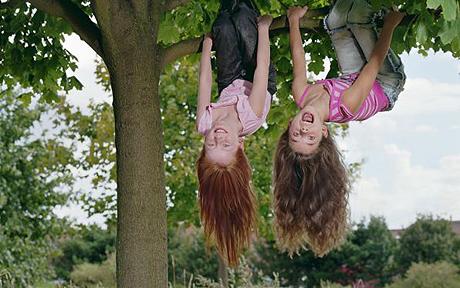
5.) Busyness left us in the dark (a.k.a. the struggle for survival kept us in the Dark Ages!), but the dawn of leisure led to the Age of Enlightenment!

Chill time is prime time for a Renaissance Girl 🙂
6.) Children don’t need to learn how to learn. They need to be allowed to learn.

The most beautiful thing we can experience is the mysterious. It is the source of all true art and science. Albert Einstein
7.) Who has time to cuddle when you’re always on the run?

He’ll climb into your lap
While he’s in your lap
He might lay his head on your chest
When he lays his head on your chest
He’ll hear your heartbeat
When he hears your heartbeat…
8.) Downtime is uplifting when imaginations take flight!
 Let’s pack happiness into our children so the baggage they take into adulthood is goodness, confidence, and kindness instead of packing bags of hurt, struggle, and loneliness that will weigh them down for life. ~L.R.Knost
200 Ways to Bless Your Children with a Happy Childhood
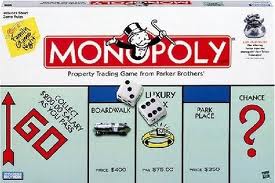
9.) Board games get bored when they’re ignored!
10.) Wonders of the world don’t discover (or invent!) themselves!
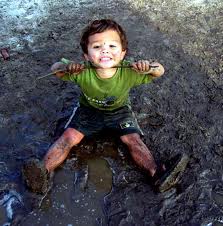
In the world of a child wonders are as simple as sticks and sheets, leaves and books, boxes and giggles, and the promise in a rainy day. The Seven Wonders of the World of Childhood
11.) Superheroes need time to practice their superpowers!

Successful reading means far more than possessing the ability to read. Engaging the hearts of students moves reading success beyond a life skill and turns it into a life style. And graphic novels are too powerful of a tool in our arsenal to be disregarded because of pride or prejudice. Raising Super Readers~The MARVELous Power of Comic Books!
12.) Playgrounds aren’t just for childsplay. Sandboxes can be soapboxes!
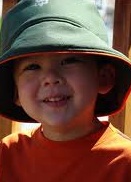

Children need to process, too!
Playground Confessions~Look Who’s Talking!
13.) Children discovering how fossils are made is great, but children discovering who they were created to be really rocks!
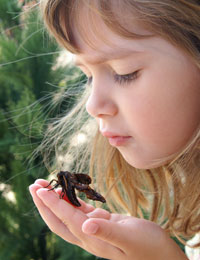
“Who am I? What inspires me? What will I be?”
Chatterboxes and Dreamers~Middle Childhood
14.) Someone has to take care of the zombie infestation!

While video game playing certainly needs to be monitored and in moderation, there is measurable value in it. “Early studies on psychomotor skills have demonstrated that videogame players have superior eye–hand coordination, visualization skills, and faster reaction times” which may result in advancements in micro-surgery, remote intelligence operation capabilities, etc. In addition, ‘zoning out’ so-to-speak, has inherent stress-reduction benefits that are harder to measure, but of value, nonetheless.
15.) Mad scientists and inventors need time and materials, not busyness and schedules!
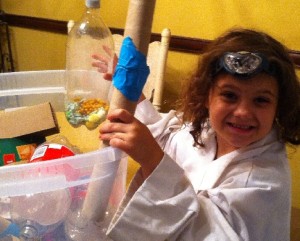
My inventor girl with her first creations, a calm-me-jar ‘shaker’ (don’t know how calming that will be, but that’s beside the point, lol!) and a super dooper telescope that can see anything no matter how far away it is!
16.) “Never underestimate the value of doing nothing” ~A.A.Milne
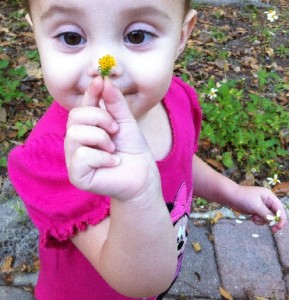
On a Winnie the Pooh style ‘long explore’ my little Pooh Bear discovered the world in The Many Adventures of My Little Pooh Bear
“What I like doing best is Nothing.”
“How do you do Nothing,” asked Pooh after he had wondered for a long time.
“Well, it’s when people call out at you just as you’re going off to do it, ‘What are you going to do, Christopher Robin?’ and you say, ‘Oh, Nothing,’ and then you go and do it.”
17.) Summertime is Muller Time!

The human brain needs time to process, categorize, prioritize, analyze, and otherwise make sense of all of the trillions of bits of information that it receives each day. Non-structured playtime for children functions much like sleep does for adults, giving their brains the time and space they need to move short-term memory to long term learning.
18.) There are dragons to be slain!
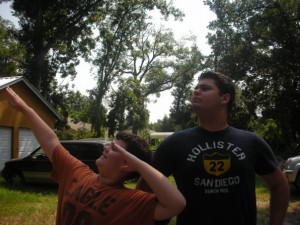
“Fairy tales do not tell children that dragons exist. Children already know that dragons exist. Fairy tales tell children the dragons can be beaten.” ~ G. K. Chesterton
Fairy Tales~The Lost Treasure of “Once Upon a Time…”
19.) When would they have time to come up with all of their amazing questions?

“Why don’t monkeys wear clothes?”
“Why don’t we live on the moon?”
“Why does ice have to be cold?”
“Why can’t my frog sleep in my bed?”
“Why do we have hair?”
“Why don’t clouds come in my window?”
Why, oh why do children always ask WHY?
20.) Creators need their rest, too!

Children are creating a whole new life for themselves in this great, big, beautiful world.
21.) Children live to play, play to learn, and learn to live!
“Play is often talked about as if it were a relief from serious learning. But for children play is serious learning. Play is really the work of childhood.”~Fred Rogers
22.) Children are happiness experts.

Perhaps it is time for a return to childhood, to simplicity, to running and climbing and laughing in the sunshine, to experiencing happiness instead of being trained for a lifetime of pursuing happiness…perhaps it is time to let children be children again. A Return to Childhood
23.) The impossible is possible in the carefree moments of childhood!

“Sometimes I’ve believed as many as six impossible things before breakfast.” ~Lewis Carroll
24.) Little Things think the bestest thoughts when Big People let them out of the box!

“Oh the thinks you can think, if only you try!” ~Dr. Seuss
Seussical Fun for Little Ones!
25.) Children need time to simply be…

Award-winnning author, L.R.Knost, is the founder and director of the children's rights advocacy and family consulting group, Little Hearts/Gentle Parenting Resources, and Editor-in-Chief of Holistic Parenting Magazine. Books by L.R.Knost include Whispers Through Time: Communication Through the Ages and Stages of Childhood ; Two Thousand Kisses a Day: Gentle Parenting Through the Ages and Stages ; The Gentle Parent: Positive, Practical, Effective Discipline ; and Jesus, the Gentle Parent: Gentle Christian Parenting the first four books in the Little Hearts Handbook gentle parenting series, and children’s picture books Petey’s Listening Ears and the soon-to-be-released Grumpykins series.
The Seven Wonders of the World of Childhood
[By L.R.Knost, author of Two Thousand Kisses a Day: Gentle Parenting Through the Ages and Stages, Whispers Through Time: Communication Through the Ages and Stages of Childhood, The Gentle Parent: Positive, Practical, Effective Discipline, and Jesus, the Gentle Parent: Gentle Christian Parenting available on Amazon and through other major retailers.]

According to the man whose name is synonymous with genius, “The true sign of intelligence is not knowledge but imagination.” ~Albert Einstein
And when it came to his genius, he said, “I have no special talent. I am only passionately curious.” ~Albert Einstein
Preserving the passionate curiosity that is a natural part of childhood, then, seems to be the most logical and effective mode of early childhood education. And it is as simple as encouraging the wonder of imagination…
In the world of a child wonders are as simple as sticks and sheets, leaves and books, boxes and giggles, and the promise in a rainy day.
- In the hands of a child a stick is a king’s scepter, an adventurer’s staff, a knight’s sword.
- In the eyes of a child a sheet is a fort waiting to be built, a sea waiting to be sailed, a cape waiting to be worn.
- In the fingers of a child a leaf is a tiny ship to blow across a puddle, a mini parasol for a snail, a triumphant flag atop a mud-castle.
- In the heart of a child a book is a map to a fairy forest, a flight on an alien spaceship, a ride on the back of a dragon.
- In the mind of a child a cardboard box is a boat sailing rough seas for China, a bridge over a raging river, a cave full of lost treasure.
- In the mouth of a child a giggle is an invitation to play, a mini song of happiness, a tiny voice of comfort.
- In the footsteps of a child the rain is a puddle to be splashed in new shoes, mud to be squished between little toes, a rainbow to be chased to the golden end.
In the wonderful, beautiful world of childhood, the morning wakes with trees that need to be climbed, holes that need to be dug, and mudpies that need to be made. The world’s classroom teaches them that problems can be solved and obstacles can be conquered. When imaginations soar, everything becomes possible.
It is in the small moments of discovery that big dreams are born. When little fingers are buried in the earth, an archeologist has made his first dig. When curious eyes peer at stars through a paper-towel roll, an astronaut has made her first spacewalk. When small hands wrap a washcloth cast around a puppy’s paw, a doctor has healed his first patient.
Just as letters of the alphabet on their own have no meaning, but used in concert with each other can create poetry, literature, and song, so learning the mechanics of words and numbers alone has no purpose, but placed in the context of life being lived can create wonders as yet unseen.
‘Let the children play’ has become a clarion call in some parenting circles in recent years, and with good reason. With childhood obesity, illnesses, and depression rates all on the rise, examining the way we raise and educate our children is vital for the health of our children, our nation, and our future.
We need to find a place in our busy lives for children to be children, to enjoy the simple pleasures we enjoyed as children, to dream and imagine and create and become. Life is for living, and children are experts at living life to the fullest. We would do well to learn from them.
~~~~~~~~~~
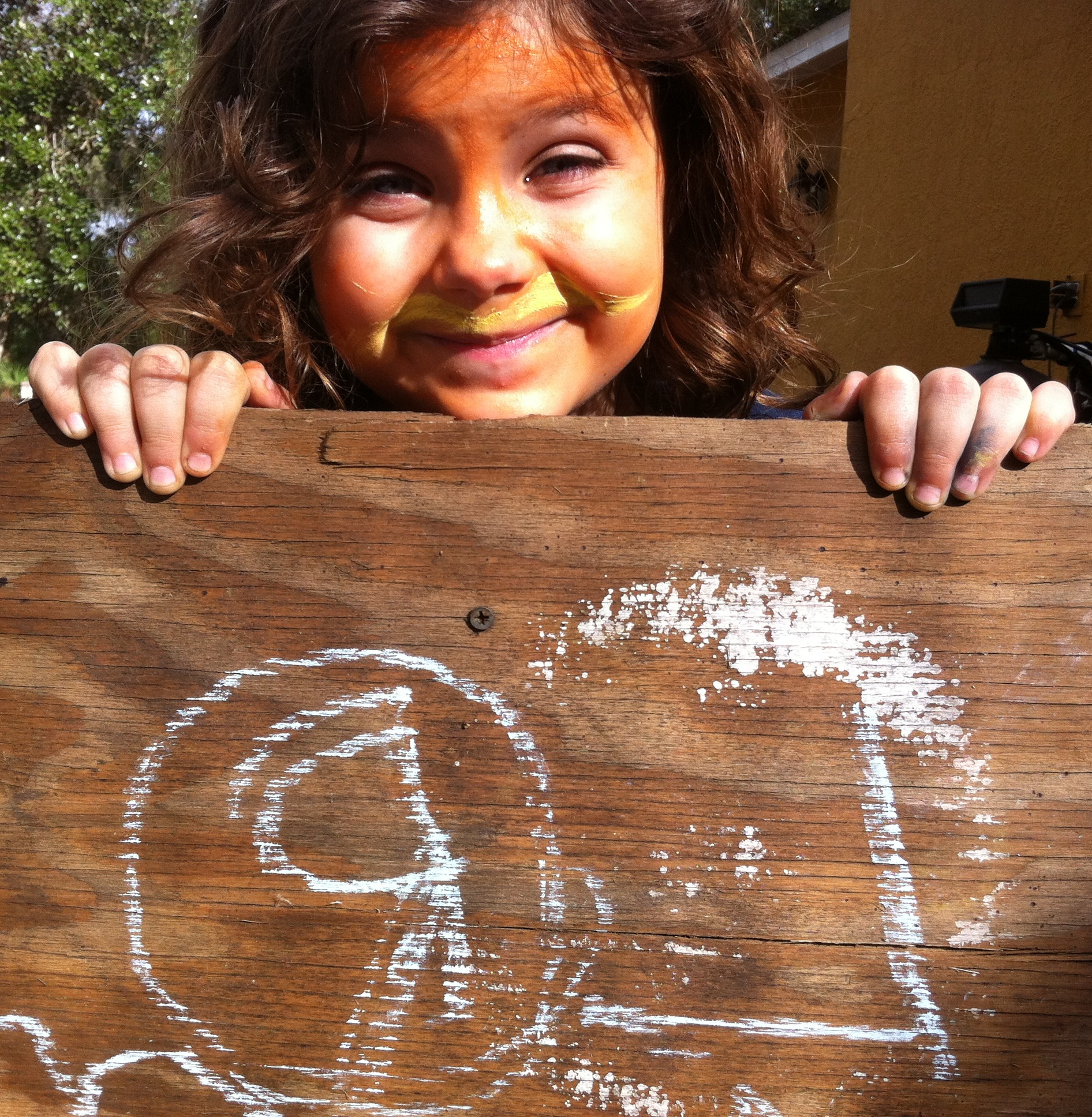
My little funnyface enjoyed the movie version of The Lorax when we saw it last week, but then forgot all about it. But when we read the book together a few days later, it captured her imagination! She painted her face orange with face paints this morning, drew on a yellow Lorax mustache, and spent the entire day outside building a Lorax forest out of odds and ends she gathered from around the yard.
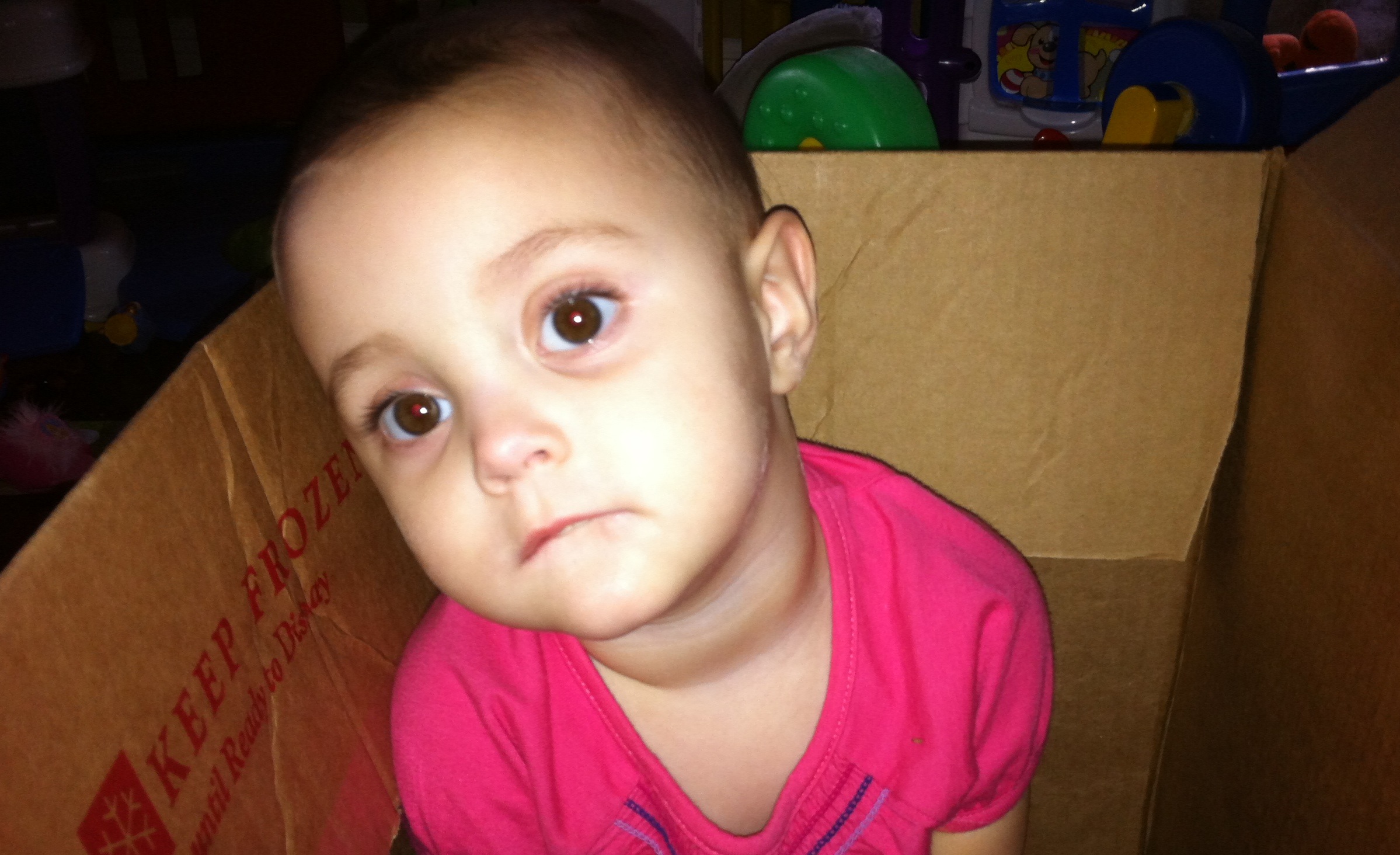
My sick baby has pneumonia and has been spiking a fever of up to 104 degrees the last few days. She’s been laminated to me, too sick to even hold up her little head, poor thing. But today when she saw a cardboard box she immediately climbed down off my lap and into the box where she played happily for a few minutes for the first time in days. Mommy’s heart was happy to see a little spark of my playful girl again, for sure. The power of a cardboard box knows no bounds!
Don’t believe in the wondrous power of play? Check out the next Steve Jobs in the making! Here’s the story of a nine year old boy, an old parts shop, and a cardboard box arcade:
Related posts:
Children who love to read…READ! Engaging children’s hearts in the wonder of reading instead of just training their minds in its mechanics. Raising Bookworms
Think homeschooled children are unsocialized, over-controlled, locked-away-from-the-world misfits? Think again! My Renaissance Girl

The Many Adventures of My Little Pooh Bear
On a Winnie the Pooh style ‘long explore’ my little Pooh Bear discovered the world in ways only a toddler can do in…
Raising Super Readers~The MARVELous Power of Comic Books!
Playground Confessions~Look Who’s Talking!
Alphabet Fun~Imagination From A to Z!
Live to Play~Play to Learn~Learn to Live!
Award-winnning author, L.R.Knost, is the founder and director of the children's rights advocacy and family consulting group, Little Hearts/Gentle Parenting Resources, and Editor-in-Chief of Holistic Parenting Magazine. Books by L.R.Knost include Whispers Through Time: Communication Through the Ages and Stages of Childhood ; Two Thousand Kisses a Day: Gentle Parenting Through the Ages and Stages ; The Gentle Parent: Positive, Practical, Effective Discipline ; and Jesus, the Gentle Parent: Gentle Christian Parenting the first four books in the Little Hearts Handbook gentle parenting series, and children’s picture books Petey’s Listening Ears and the soon-to-be-released Grumpykins series.
A Return to Childhood
[By L.R.Knost, author of Two Thousand Kisses a Day: Gentle Parenting Through the Ages and Stages, Whispers Through Time: Communication Through the Ages and Stages of Childhood, and The Gentle Parent: Positive, Practical, Effective Discipline available on Amazon and through other major retailers.]
 There is such a rush these days to get children sleeping through the night, weaned off the breast, eating solid foods, potty trained, reading independently, and on and on, that we seem to have lost the ability to simply enjoy life as it happens and let our children do the same. Gone are the days of making mud-pies and playing in piles of leaves. They’ve been replaced with flashcards, language immersion (even in the womb!), educational dvd’s, and the like. Preschool has become the new kindergarten, with parents rushing to get on waiting lists for the ‘best of the best’ preschools, often even before their first prenatal appointment!
Therapists in New York have reported an increase in parents seeking psychiatric services for stress related to the intensely “cutthroat” admissions process for top-rated private preschools and kindergartens. “Parenting is a competitive sport,” says Dr. Lisa Spiegel. And that competition is leading parents to ask if their three-year-old should wear suits to preschool interviews, which designer purses are best to carry on school tours, and even if they should be induced into early delivery so their child “could be considered for kindergarten before the Sept. 1 cutoff date.” (New York Post, see link below)
One would assume, with all of this emphasis on independence and education, that we would be moving forward as a society to a more self-sufficient, competent, and well-educated populace which, by extension, might reasonably be assumed to have less need of welfare programs and prisons. One would assume wrong, unfortunately.
By way of comparison, in 1960, welfare spending in the United States was $48.20 per capita with 1.7% of the population receiving federal assistance. (infoplease.com) By 2010 it had increased to $2256.40 per capita (usgovernmentspending.com) with 8.0% of the population receiving assistance. (wiki.answers.com) In 1960, 0.18% of the US population was imprisoned, whereas in 2010 that number had climbed to 0.74% (businessinsider.com) with drug use, rape, and assault rates skyrocketing.
So what happened? Obviously, there are many contributing factors, but one often overlooked, powerful contributor is how we parent our children. Study after study has confirmed that early childhood experiences have a profound impact on adult behavior, achievement, and satisfaction with life. The modern emphasis on ever-earlier independence and academics seems to inadvertently be sacrificing the very things they are designed to accomplish, and the modern view of parenting as a “competition” is setting the stage for stress, conflict, and failure.
Perhaps it is time for parents to reevaluate their priorities and realize their children are blessings to be cherished and nurtured, not pawns in a cut-throat game of strategy and intrigue. Perhaps it is time for a return to childhood, to simplicity, to running and climbing and laughing in the sunshine, to experiencing happiness instead of being trained for a lifetime of pursuing happiness…perhaps it is time to let children be children again:
1) Let babies be babies~in other words, baby them! Babies are completely and totally helpless in every way. Medical experts agree that it isn’t possible to spoil a newborn, so responding promptly to cries will simply help them learn to trust that their needs will be met. Babies left to cry-it-out often do end up sleeping through the night earlier than babies whose needs are responded to because they have learned to give up on their needs being met. But that gain of sleeping through the night is accomplished at the loss of trust, and the resultant stress and long-term consequences simply aren’t worth it. (Surviving the First Three Months with a Newborn) Stress causes our bodies to release a hormone called cortisol which, when present for prolonged periods, can dramatically undermine brain development in babies and permanently impair brain function for life. Some causes of stress in babies are extended illnesses, detached parenting, and separation from their mothers, which has been linked to long-term anxiety and anti-social behavior. (News, Science and Environment)
2) Let human babies drink human milk~in other words, nurse them! Breastfeeding beyond the typical 6-12 month period has been shown to improve not only overall IQ’s in children, but also improve health and social outcomes. Children who are breastfed for 24+ months are less likely to have allergies and more likely to have healthy immune systems. (kellymom.com) Also, according to the World Health Organization, “a modest increase in breastfeeding rates could prevent up to 10% of all deaths of children under five,” due, in part, to tainted water supplies, but also due to the immunity factors. And, socially, studies have shown repeatedly that, “Meeting a child’s dependency needs is the key to helping that child achieve independence.” (Elizabeth N. Baldwin, Esq. ‘Extended Breastfeeding and the Law.’)
3) Let children know they matter~in other words, listen and respond to them! Strong, healthy attachment in parent/child relationships has been linked to increased success rates in future marriage, greater career satisfaction, and overall stability and emotional health in adulthood. Children raised with detached parents tend to be forced into premature independence through sleep training, rigid discipline, and too early and/or prolonged separation from parents, often resulting in long-term dependency, attachment, and satisfaction issues. “Decades of research, including longitudinal studies, have shown that as securely attached babies get older, they form better relationships with others, have higher self-esteem, are more flexible and resilient under stress, and perform better in every aspect of life, from schoolwork to peer interactions.” (Dr. Laura Markham)
4) Let children see you being ‘good’~in other words, model the behavior you desire! Children are born observers and the first people they observe, with an almost scientific intensity, are their parents. Modeling appropriate and desirable behavior to children such as self-control, compassion, helpfulness, listening, respect, etc is a powerful tool in passing along these qualities to the next generation. “Discipline is everything you put into children that influences how they turn out…Whatever your ultimate objectives, they must be rooted in helping your child develop inner controls that last a lifetime. You want the guidance system that keeps the child in check at age four to keep his behavior on track at age forty, and you want this system to be integrated into the child’s whole personality, a part of him or her.” (Dr. William Sears)
5) Let children play~in other words, don’t rush them into growing up! Study after study has shown that children learn more, retain knowledge better, and maintain their natural curiosity and love of learning when they are allowed to learn through a combination of unstructured and guided play. The trend these days is to start children in academic-centered preschools as early as two years old and then move them into academically rigorous kindergarten programs, often while still four years of age. “While many children do fine in kindergarten and first grade, by the time they reach second grade, ‘they can’t hold it together — they fall apart and really struggle.’” (Colvin) “Newspapers and magazines across the country are reporting that kindergarten is the new first grade—full of pressure and short on play.”(What to Expect in Kindergarten) “As the parent of a child entering kindergarten, you’re sure to be shocked and amazed by what’s changed since your days on the story rug. Kindergarten isn’t what it used to be…many of the changes you observe make kindergarten a more challenging and potentially pressuring stage, it’s all in the name of teaching your child more effectively.”(Kindergarten Assessment) However, effective teaching is a subjective subject. Is teaching effective if it results in children who are capable of rote memorization and passing standardized tests, but lack imagination, curiosity, and a love of reading? Or is teaching more effective if it results in children who are innovative, pioneering, and life-long learners?
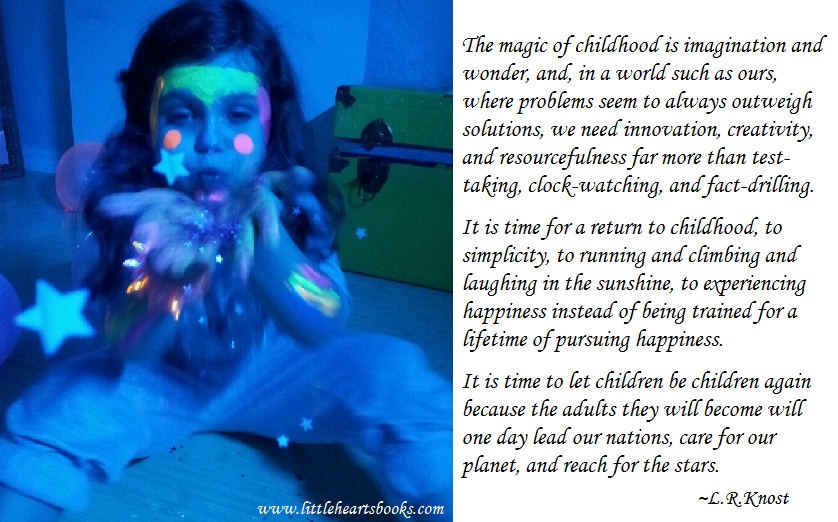

Do you think my little dirt magnet enjoyed her homeschool day?
Related posts:
The Seven Wonders of the World of Childhood
Raising Super Readers~The MARVELous Power of Comic Books!
The Measure of Success~Chinese Parents and French Parents Can’t BOTH Be Superior!
Alphabet Fun~Imagination From A to Z!
Live to Play~Play to Learn~Learn to Live!
One Slippery Sock & Other Silly Tools for your Parenting Toolbox!
Award-winnning author, L.R.Knost, is the founder and director of the children's rights advocacy and family consulting group, Little Hearts/Gentle Parenting Resources, and Editor-in-Chief of Holistic Parenting Magazine. Books by L.R.Knost include Whispers Through Time: Communication Through the Ages and Stages of Childhood ; Two Thousand Kisses a Day: Gentle Parenting Through the Ages and Stages ; The Gentle Parent: Positive, Practical, Effective Discipline ; and Jesus, the Gentle Parent: Gentle Christian Parenting the first four books in the Little Hearts Handbook gentle parenting series, and children’s picture books Petey’s Listening Ears and the soon-to-be-released Grumpykins series.
One Slippery Sock & Other Silly Tools for your Parenting Toolbox
They say laughter is the best medicine. While that may be true, there are other important uses for the tincture of silliness that should not be overlooked! Here are a few:
- Your two-year-old digs his heels in at bedtime in an Oscar-worthy imitation of a mule. Give the ‘one slippery sock’ routine a try. Put socks on your feet and, when you call him to head off with you to begin your bedtime routine, start slipping and sliding on one side. Just little slips and slides will do the trick, along with a good helping of parental confusion over the possible reasons you’re having so much trouble walking. Little people love slap-stick, and you can bet your dawdler will hurry along to get in on the fun!
- Your eighteen-month-old suddenly stops enjoying the novelty of tooth-brushing and locks her little jaws tighter than a bulldog latched onto a bone. Try ‘tickling the ivories.’ Brush your own teeth first, giggling and dancing around the bathroom the whole time like you’re tickled at being tickled (while your little one watches, of course). Then release the gentle tooth-tickler on your most likely already giggling baby and say, “Tickle teeth! Tickle teeth!” while brushing those pearly whites.
- Your three-year-old eschews the use of shoes no matter how many choices of style and color you offer. Try the ‘superhero’ approach. Instead of the tired, old, “Time to get your shoes on,” routine…say, “The terrible-toe-tickling super villain is on the loose! We need some superhero armor on those feet, quick!” Be prepared to take the time to discuss the relative protective qualities of the available ‘armor’, but then get those toes to safety!
- Your six-year-old chatterbox could make a monk revoke his vow of silence just to say “Shhhhhh!!!” Try the ‘seven super silly seals sent slippery slippers to their sisters’ treatment. Give your little chatterbox a tongue-tying-twisty-treat and the promise of your full attention for five minutes when she thinks she’s ready to say it ten times fast. Then enjoy your two minutes of quiet until she returns!
- Your nine- and seven-year-olds are at each other like cats with their tails tied together. How about a ‘bag on your head while you listen to the ‘he said/she said’? When you head in to break up the gazillionth argument of the day, slip a paper bag with a great big goofy smile and a couple of googly eyes drawn on it over your head first. It may not solve everything, but it’ll be super hard for them to stay mad at each other, and a little levity might just diffuse the tension!
- Your high-schooler is one stressed-out teen with SATs looming, homework mounting, friend drama annoying, and hormones swirling. It’s time for a ‘pajama-night-out-orama’! Wait until the house settles, everyone’s in bed for the night, and all is quiet…then leave your spouse in charge of the house while you sneak your teen out the back door with you for a one-on-one run through Dunkin’ Donuts and sit in the car in your driveway stuffing your faces and letting her unstuff all the angst that’s been building up inside of her. Might not be good for your arteries, but it’ll do her heart a world of good!
Silly works! Don’t handicap your parenting by forgetting one of the most powerful tools in your parenting toolbox.
Related posts:
Babes and Boundaries~A Gentle Parenting Perspective
Parenting in Public: Toddler Time
Award-winnning author, L.R.Knost, is the founder and director of the children's rights advocacy and family consulting group, Little Hearts/Gentle Parenting Resources, and Editor-in-Chief of Holistic Parenting Magazine. Books by L.R.Knost include Whispers Through Time: Communication Through the Ages and Stages of Childhood ; Two Thousand Kisses a Day: Gentle Parenting Through the Ages and Stages ; The Gentle Parent: Positive, Practical, Effective Discipline ; and Jesus, the Gentle Parent: Gentle Christian Parenting the first four books in the Little Hearts Handbook gentle parenting series, and children’s picture books Petey’s Listening Ears and the soon-to-be-released Grumpykins series.
Babes and Boundaries~A Gentle Parenting Perspective
[Reprinted from Two Thousand Kisses a Day: Gentle Parenting Through the Ages and Stages by L.R.Knost. Whispers Through Time: Communication Through the Ages and Stages of Childhood also now available on Amazon]
 Parenting is soooo tiring and frustrating at times. Sometimes you just want to sit a small child down and say, “Do you know how much easier your life (and mine!) would be if you’d just be REASONABLE?!?” But we know that wouldn’t do any good because the words ‘reasonable’ and ‘toddler/preschooler’ just don’t play well together. The thing to remember is that gentle parenting doesn’t mean parenting without boundaries.
Believe it or not, the foundation for discipline (guiding, leading, teaching…NOT punishment ) begins in the newborn and infancy stages. When parents respond quickly, consistently, and gently to their baby’s cries, the trust relationship that the parent is establishing becomes the cornerstone for later discipline. Boundaries need to be established for a child’s safety and growth into a successful citizen of our world. A child who is secure in the knowledge that he doesn’t have to fight to be heard or to have his needs met is more open and adaptable to limits. And when the ‘limit-setter’ is a person the child trusts, the enforcement of those boundaries becomes a matter of connection and communication instead of conflict and struggle.
So, what might setting and enforcing boundaries using gentle parenting look like in real life? Here are a few examples:
- Your 18 month old has begun hitting you whenever you try the ‘remove and distract’ method of keeping her from sticking things into power outlets. In addition to covering the outlets with safety covers, a gentle parenting approach to hitting at this age would be to gently hold your child’s hand when she tries to hit, look her in the eye, and say quietly and firmly, “Gentle” or “Gentle hands,” while stroking your cheek with her hand. This sets a boundary that hitting is not okay while demonstrating what behavior is acceptable. Don’t expect this to be a one-time deal, though. Little ones learn through consistent and patient repetition.
- Your 2 year old drops to the ground in limp protest every time you try to leave ANYWHERE! First, giving a toddler some warning that a change is about to occur respects their often intense interest in and focus on their own activities. A gentle parenting approach might be to utilize the ‘countdown to leaving’ method to give them a time context (i.e. “Five more minutes! That means you have enough time for five more horsey rides on grandpa’s back!”… “Four more minutes! That means you can have four more jumps into the ballpit!”… “Three more minutes! That means you have enough time to build three more towers and knock them down!”… “Two minutes left! That means you have enough time to go down the slide two more times!”… “One more minute! That means you can look at one more book!”). Remember, children aren’t little robots we can just upload the right program into and expect it to work perfectly every time, so when your little human still impersonates a limp noodle despite your best efforts, quietly acknowledge his distress, “It’s hard to leave when you’re having fun, isn’t it?” and then gently pick him up and move him to the car/stroller, etc.
- Your 3 year old flat out refuses to wear shoes, period. In addition to giving choices, “Do you want to wear the red boots or the blue sneakers today?” and offering her the opportunity to assert her independence, “Would you like to put your shoes on yourself or do you want mommy to help?” sometimes all that is needed is a simple question, “Why don’t you want to wear shoes?” Three year olds are typically becoming articulate enough that, if they aren’t already stressed, they can do a pretty good job of explaining themselves. You might be surprised to hear something like, “Tomowow my boos hut my toes,” which when translated means, “The last time I wore my boots they hurt my feet, and now I think all shoes will hurt me.” Moving on to a more verbal communication stage of your relationship with your child when they’re ready might seem a no-brainer, but parents often get caught up in patterns of parenting from previous stages and it just doesn’t occur to them to simply ask their child what’s wrong. Again, this won’t always work, so when your little bohemian still rejects all things soled, calmly let her know that she will remain in the stroller/sling/cart and not do any walking until she decides she’s ready to put on her shoes.
One other note about parental boundaries is that it’s not just your children who will challenge them! Everyone and their mother (or especially their mother!) will take every ‘misbehavior’ by your child as an opportunity to give you unsolicited and often unwanted advice. Remember, when it comes down to it, it’s you, the parent, who determines what limits to set. Mrs. In-My-Day, Cousin Know-It-All, Mr. My-Way-Is-The-Only-Way, and Neighbor Nose-In-Everyone-Else’s-Business all have their own ideas that make sense to them, and that’s fine, but you are not them! You the unique parent of a unique individual, and you have the sole responsibility to raise that individual as you see fit (with reasonable limits set by your community as to what constitutes abuse, neglect, etc).
In practical application, boundaries do reflect the culture and environment in which a child lives. In a small, rural community in Spain, doors may be left open day and night and the neighbors may all be related. Small children might have the freedom to wander in and out of houses, play ball in the middle of the road, and plop down for an afternoon nap on a neighbor’s sofa. In a busy, urban city such as New York, doors may be kept locked, people may never have even met their neighbors, and playing in the street might be tantamount to a child endangerment charge.
The point is that boundaries aren’t a one-size-fits-all list that you can buy from Barnes & Noble, put on the fridge, and slap a sticker on every time a child complies. Boundaries are personal limits determined by the parent’s values and priorities and culture as well as reflecting the age and maturity of their child and the unique attributes of their community.
It may ‘take a village’ to raise a child, but remember, it’s you, the parent, who’s the leader of your tribe!
Related posts:
Testing the Boundaries~What’s A Parent To Do?
Toddlers, Tantrums, and Time-Ins, Oh My!
The Taming of the Tantrum: A Toddler’s Perspective
Award-winnning author, L.R.Knost, is the founder and director of the children's rights advocacy and family consulting group, Little Hearts/Gentle Parenting Resources, and Editor-in-Chief of Holistic Parenting Magazine. Books by L.R.Knost include Whispers Through Time: Communication Through the Ages and Stages of Childhood ; Two Thousand Kisses a Day: Gentle Parenting Through the Ages and Stages ; The Gentle Parent: Positive, Practical, Effective Discipline ; and Jesus, the Gentle Parent: Gentle Christian Parenting the first four books in the Little Hearts Handbook gentle parenting series, and children’s picture books Petey’s Listening Ears and the soon-to-be-released Grumpykins series.
Toddlers, Tantrums, and Time-Ins, Oh My!
[Portions reprinted from The Gentle Parent: Positive, Practical, Effective Discipline by L.R.Knost. Whispers Through Time: Communication Through the Ages and Stages of Childhood and Two Thousand Kisses a Day: Gentle Parenting Through the Ages and Stages also available on Amazon and through other major retailers.]
 When a little person feels frustrated, overwhelmed, or just plain old out-of-sorts (read: tantrum time!) it’s tempting for parents to focus on correction rather than connection. But when children are intensely stressed, the prefrontal cortex of the brain (which in early childhood is an under-developed, mushy ‘ball of playdoh’ waiting to be formed) is flooded with cortisol, aka the ‘stress hormone.’ The result is what is known as the fight-freeze-or-flight syndrome in which higher brain functions (learning, reason, self-control) are markedly hampered and lower brain functions (instinct, physical reactions) take over. This is an in-built survival mechanism that gradually comes under conscious control through years of growth in a safe and supportive environment.
Expecting young children to have the maturity and self-control to overcome this God-given survival instinct is unrealistic. Threatening, punishing, or even reasoning with them while their higher brain functions are suppressed is futile and actually just adds more stress to the situation (more stress=fuel on the tantrum-fire!).
What they really need is help…first, help coping with their big emotions…then, help reconnecting with their source of safety and security (you!)…and last, help processing the problem that sent them into a maelstrom of emotion in the first place. Punishing them, yelling at them, sending them to their room, or putting them in time-out disconnects them even further from their source of security and not only delays a resolution of the issue, but misses an opportunity to equip them with the tools they need to handle future problems.
Drawing them close (time-in), offering words to help them express their frustrations (reflective language), and modeling coping skills and self-control for them are all ways of reconnecting with them to help them successfully navigate their present difficulty as well as cope with those they’re confronted with in the future.
One effective tool for use in helping little ones cope with big emotions is a Calm-Me-Jar.
Here are our Calm-Me-Jars~

They are made from the little round plastic Coke bottles sold around Christmas time. (Other times of the year you can get Aquapod water bottles which are similar.) I like them because, first, they aren’t glass (who really wants to hand an upset toddler or preschooler a glass anything?!?) and, second, they are perfect for small hands to shake and manhandle to their heart’s content.
Glitter glue gel didn’t work at all because it stayed all clumped up. Just basic craft glitter glue from the Dollar Tree worked really well, though. Cold water kept the glue clumpy, too, so lukewarm tap water is the best bet. I used colored glitter glue with a tiny drop of food coloring in the colored Calm-Me-Jars, and just silver glitter glue with the clear one. I also added actual glitter to each jar because the glitter in the glue was itsy bitsy. The combination of the two types of glitter really turned out pretty. Add about one ounce of glitter glue in each bottle and then as much glitter as you like and a tiny bit of food coloring if you want to make the colors deeper.
When each of the bottles had the look we wanted, we glued the tops down with hot glue, then added ribbons for decorations. Our original Calm-Me-Jars are approaching a year old, and they haven’t become cloudy or clumpy, etc, so it seems that as long as you keep the lids on, they’ll last indefinitely! Here’s a closer view:


The Cat in the Hat Can Help You with That!

(If you’re really into Dr Seuss, here’s some Seussical fun for your little one!)
When my littler ones have meltdowns (or, if I can catch it, before they reach that point), I pull out one of the Calm-Me-Jars and shake it up and just let them hold it while I hold them or, if they aren’t ready to be touched, I stay close by and talk or sing quietly. When I feel their body relaxing and their breathing slow down, I might say something like, “It’s sad when we can’t have a toy, isn’t it?” or whatever else will reflect what they seem to be unable to express.
If they’ve hit someone or thrown something, I first reflect what my little person is feeling (after tending to the other child if they are hurt or upset), then, when they’re a bit calmer, I go on to reflect what the other person might be feeling, “It hurts Sissy when you hit her.” Then I offer a suggestion about the next step. “Why don’t we go ask Sissy if she’s okay? If she has a boo-boo, we might need to get a bandage for her.” It’s very intriguing for little ones to feel like they can ‘fix’ something, and often the idea that they have that kind of power makes all the difference in the frequency and intensity of meltdowns, not to mention the positive impact of learning to think and care about the feelings of others.
When an older preschooler/early elementary-aged child is about to have a meltdown, I first try to help them begin to recognize those feelings by verbalizing for them, “I see you’re feeling upset. It’s hard not getting things we want, isn’t it?” (Or “having to do things we don’t want to” etc). Then, depending on how much they seem to need connection vs. simply calming down, I either ask if they want to use their Cozy Corner (see below) to help them calm down, “Do you want to head over to your Cozy Corner for a few minutes and grab one of your Calm-Me-Jars so you can have a break for a bit?”
Or if they need to connect, I scoop them against my side into a big hug and head into the Cozy Corner with them (or just my rocking chair) for a cuddle (aka a time-in). While we’re cuddling, or before if they’re feeling too angry to be touched, I let them shake the Calm-Me-Jar as hard and often as they want right at first as a physical outlet for their intense feelings, watching to see when their breathing begins to even out and their body to relax. When they’ve calmed just enough to hear me, I quietly talk them through the calming process, “Look at all that fairy dust bouncing around like crazy! I bet that’s how it feels inside when you’re so upset. Look at how it’s starting to slow down and settle to the bottom. If we breathe really slowly, we can feel ourselves settling like the fairy dust.” Sometimes we sing a quiet song or I offer to read a book or pray with or for them, depending on the circumstances.
When my five-year-old is mad at one of her siblings, she’ll often bring one of her Calm-Me-Jars (Goodnight Moon is a favorite at night!) and work out some of the upset physically by shaking the jar like crazy and telling me how angry she is. When she’s a bit calmer, we’ll have a little cuddle and watch the glitter settle while saying goodnight to the moon, all the furniture, and whatever other silliness we come up with until she’s calm. If there’s a discipline issue, we’ll work through it at that point because I know that’s when she can hear me and really process what I’m saying. (With Starry, Starry Night we sometimes sing Twinkle, Twinkle Little Star; with Hello Kitty Princess Ballerina she likes to dance her frustrations away while the glitter dances with her; and with Nemo Under the Sea we speak ‘whale’ like Dorry or make fishy faces at each other.)
The key to all of this is being in tune with your little one enough to understand their personality and work with it instead of against it. My five-year-old is spunky and silly, so having a long, serious talk would drive her nuts and accomplish nothing, whereas when some of my older ones were little they really liked to talk things through (and still do!).
Here are some Cozy Corner ideas for when your little people need a little space to cope with this great big world:
 Set aside a small corner of the family room so they can still be close to you and let them help decorate it and choose a favorite blanket, some comfy pillows, and a few special books and stuffed friends to keep there. Here’s a cool tutorial for how to make this tent for under $25!
Let them help name their special place so they’ll know it’s theirs. Some suggestions are Cozy Corner, Comfort Zone, Quiet Cave, or Happy Place. And keep in mind, the Cozy Corner is a place for little ones (usually preschool and older) to go when they decide they want a break, not when we decide they need a break (or that we need a break, lol!). It’s a safe, comfortable, quiet place for them to relax alone if they want to or for us to join them for a time-in cuddle or chat.
And, for times when all else fails, sometimes a little fairy magic is all it takes to turn a bad day into a good one or to help a little one fall asleep. When your toddler/preschooler is a bit cranky, sloooww down, give lots of cuddles, listen, listen, listen, and ask if  they need you to sprinkle some fairy dust on them to turn their frown upside down! For sleeping issues, sprinkle a bit of fairy ‘sleeping’ dust on their bed and stay with your little one, softly humming, stroking their back, or just quiet and reassuring, depending on their needs (they’ll let you know!) until they’re asleep. It’s typically the long, dark, lonely separation from mama causing the problem, instead of a sleep issue, anyway!
You can click on the picture to follow the link to buy these adorable fairy dust jars filled with microfine glitter, or you can go to Michaels and buy some cute little bottles and microfine glitter (You can find it next to the fabric paints and t-shirts instead of with the regular glitter, for some reason. Lol) and make your own little bottles of fairy dust!
Related posts:
Practical, Gentle, Effective Discipline
200 Ways to Bless Your Children with a Happy Childhood
Testing the Boundaries~What’s A Parent To Do?
When Children Hit~10 Tips for Parents
Easy Peasy DIY Parenting Tools
One Slippery Sock & Other Silly Tools for your Parenting Toolbox!
Award-winnning author, L.R.Knost, is the founder and director of the children's rights advocacy and family consulting group, Little Hearts/Gentle Parenting Resources, and Editor-in-Chief of Holistic Parenting Magazine. Books by L.R.Knost include Whispers Through Time: Communication Through the Ages and Stages of Childhood ; Two Thousand Kisses a Day: Gentle Parenting Through the Ages and Stages ; The Gentle Parent: Positive, Practical, Effective Discipline ; and Jesus, the Gentle Parent: Gentle Christian Parenting the first four books in the Little Hearts Handbook gentle parenting series, and children’s picture books Petey’s Listening Ears and the soon-to-be-released Grumpykins series.
A September to Remember: Unraveling What I’ve Knit Together
Here’s my very last ~A September to Remember~ guest post! I’ll be sharing a wrap-up soon of all the wonderful ‘vintage finds’ shared by these awesome writers. So enjoy this last, but so very not least, post from a very raw and honest Zoie @ TouchstoneZ. (Loss mentioned)
~~~~Unraveling What I’ve Knit Together~~~
I have early memories of feeling wrong within myself. I may have been four years old the first time I can recall believing I was bad. I know I didn’t have the words to identify the feelings, but I had them. I have never felt that I had the right to be alive. My entire life, I have had this little doubt that crept into every experience and tainted it just enough to keep me from holding it fully to my heart-the belief that I was broken somewhere inside.
I found this poem I wrote fifteen years ago:
Since Puck is Taken
If I show you my poetry
You will see inside of me
Core of polluting coal
50 pack lung-seeming soul
Craven, cowering
Rotten bulb flowering
So I will never show
And you will never know

And it dawned on me why the circular thinking of PPD was so appealing to me. It felt like a comfy wool sweater that was well-worn and familiar. I could slip it on like a protection from the elements of my life that felt raw and chafing. I had worn this sweater before. The only time I can recall taking it off was after the birth of my first child. I felt so empowered that nothing could make me un-love myself.
Then I got pregnant for the second time. And that pregnancy ended in a stillbirth. And I pulled my old sweater on without even noticing. I didn’t take it off for the birth of my second son. I zipped it up and added a hood when I got PPD for the first time. Then, the PPD was a bit better and I took off the hood. I mourned the lost time from the PPD haze but wasn’t ready to take it off yet. It wasn’t until after the birth of my third son and PPD returned that I had had enough. I didn’t want to lose more time to this.
I decided that this time, instead of periodically trying to rip off the sweater and throw it away (because that always ended up with me digging frantically in my mental garbage bins to put it back on) I would caress the sweater. Enjoy its fine knit and excellent fit. I made this sweater. I placed each stitch of wool in myself. It is lovingly crafted to protect me and I honor it for what I have made. I honor myself that at least some small part of me has always been able to see the true me and wrap it up in warmth and protection.
For the first time, perhaps in my life, I feel ready to address a lifetime of depression. I can notice it because of the skills I have been working on: sitting with uncomfortable feelings and holding them. Just holding them.
 Grief
Grief
Grief over the loss of my daughter. Grief over the loss of all the parts of myself I never allowed. Grief over the childhood, teenhood, and adulthood that was black with this belief.
Grief
Grief over how things are not the way I want them to be. Grief over the loss of time and closeness with my children and my husband. Grief over not living my life the way I wanted and for not being as loving with myself and others as I want to be.
Grief
I’ve been allowing grief to arise. I’ve been putting my arms around my heart to hold me together because I’m afraid I’ll fly apart if I even look at these feelings. I’ve been noticing them, crying over them, and watching them come and go as I need them to.
And Anger. There’s a lot of anger underneath the grief, and I’m terrified of anger. I don’t know what to do with it. So, I don’t do anything with it. I sit with it. I can always put my sweater back on if it gets too scary. It’s folded up in my lap for whenever I need to hide.
Don’t forget to head over to check out Zoie @ TouchstoneZ!
Award-winnning author, L.R.Knost, is the founder and director of the children's rights advocacy and family consulting group, Little Hearts/Gentle Parenting Resources, and Editor-in-Chief of Holistic Parenting Magazine. Books by L.R.Knost include Whispers Through Time: Communication Through the Ages and Stages of Childhood ; Two Thousand Kisses a Day: Gentle Parenting Through the Ages and Stages ; The Gentle Parent: Positive, Practical, Effective Discipline ; and Jesus, the Gentle Parent: Gentle Christian Parenting the first four books in the Little Hearts Handbook gentle parenting series, and children’s picture books Petey’s Listening Ears and the soon-to-be-released Grumpykins series.
College for Struggling Learners
by Lee Binz
The HomeScholar
 Learning to Compensate
Dealing with learning challenges is difficult, but in high school, it can become seriously concerning. You don’t have to be afraid! With the great student to teacher ratio of homeschooling, and the love for your child, you have what it takes!
Debbie was at her lowest point when she realized her 12 year old son, Dan, could not read or write in his Sunday school classes. She had to carefully shield him from the judgment of others. Her homeschool friends were very understanding, but she worked hard to keep him away from situations where he would have to read aloud. She was distraught. Again and again they changed curriculum, hoping each time that a new curriculum would change everything. It seemed like nothing would ever work. He struggled with learning all the way through high school. She never had him officially tested, because she didn’t want him to be labeled as an adult. Dan has achieved wonderful things since graduating homeschool!
When Dan turned 18, he started working at Starbucks. An excellent worker, he received nothing but positive feedback which motivated him to continue his education. He decided to attend college. He didn’t score well on the SAT, so they did not report his scores to colleges. He entered college “through the back door” his mother said, by attending community college first. His excellent work ethic and love of learning helped him thrive where others felt adrift. Dan transferred from community college to the university with a 3.89 grade point average. There were 300 applicants to the business school this year, and Dan was one of only 100 admitted. Debbie says “He finally realizes he can do it!”
 Debbie has some great advice for parents. Don’t push them before they are ready. She was glad she kept him home, so that he could avoid the negative feedback from a public school setting. She read aloud to Dan constantly – even his high school textbooks, when necessary. She used verbal assessments in all his classes, and didn’t introduce essay writing until much later.
She recommends books by Dr. Raymond Moore, including Better Late Than Early: A New Approach to Your Child’s Education and Grace Llewellyn, The Teenage Liberation Handbook: How to Quit School and Get a Real Life and Education and Cynthia Tobias, The Way They Learn. She says, “You feel like you’re failing – like you didn’t do something right.” Don’t be deterred, though. It takes a lot of one-on-one time, but that’s the benefit of homeschooling. Read to them their textbooks, and the classics. Even in college they can be allowed help with reading.
 In her lowest moments, Debbie would remember her grandfather. He also could not read. His wife would read blueprints to him each night so he would be prepared for work the next day. Still, he grandfather was a successful businessman. He was able to compensate. Her son Dan is able to compensate now.
Her biggest surprise was realizing that Dan wanted a college degree. She had never thought he would go to college, and only vaguely considered a technical school. But when he worked at Starbucks, he identified his gift in business. So her additional advice is the same as mine. She says, “Even if you think they won’t go to college, they may – so always be prepared!”
Dan is so thankful he was homeschooled. He has said he would never put his own children in public school. He knows that if he had been in public school, he wouldn’t be where he is today. Nurturing is critical, and homeschooling can provide that best. Debbie says, “I remember the hopelessness. They CAN succeed and excel – just give them the tools.”
Learning to Teach
 JoAnn homeschooled her two daughters, feeling extremely unsure of her abilities – until her girls were officially diagnosed with learning disabilities. Once she had the diagnosis, she realized that homeschooling was the best option. She didn’t want her girls ostracized and placed in a “special” group that would have a negative effect on their socialization skills. Even her mother became increasingly supportive of homeschooling after the diagnosis was made.
Her two girls could not read until half-way through 5th grade. They struggled in reading, writing, and spelling. Joann took her children to The Slingerland Institute. She recommends two pamphlets that really helped her cope. One is Why Wait for a Criterion of Failure. The other is An Adaptation of the Orton-Gillingham Approach for Classroom Teaching of Reading, both by Beth Slingerland.
JoAnn’s advice is “Never despair! The timing of brain growth is on your CHILD’S timetable, not yours. Accept it, because you certainly can’t change it!” She wishes she would have dropped more academic subjects when they were in elementary school. Still, she is so glad she homeschooled. “Homeschooling is better for dyslexic kids for the positive encouragement and socialization.”
 She taught with multi-sensory input and multi-sensory output. In every subject she worked to provide lessons with audio, visual, AND tactile input. She would supplement courses with drama, hands on projects, and verbal assessments all the way through school. Her daughters were especially helped by the use of color. Her daughter still color codes her college lecture notes to improve her retention.
JoAnn’s older daughter went directly into the University and majored in biology with a minor in chemistry. She has recently graduated with an advanced degree as a Veterinarian Technician. Her younger daughter also went directly into the University. She will graduate with a degree in interior design, and has already done some design work for Bill Gates as a college intern. Both girls were very successful in college.
Learning to Cope
Jill is hesitant about labeling her daughter in any way, but knew she faced some unique challenges even though she wasn’t formally diagnosed. Her daughter recently became a National Merit Scholarship Semi-Finalist. Here is what Jill says about her daughter’s struggles: “She worked hard and I’m very proud of her. She is the daughter that would fit into the statement ‘I could never homeschool my child because….’ She is very active, intense, dramatic and a joy to be around. I am convinced that if she were in the public school we would have been ‘encouraged’ to put her on medications (the standard line around here, when she is getting jumpy is to ‘run up to the mailbox and get the mail’ which is a mile round trip). She has forced me to think outside of the box and, well, it is an adventure I’m sorry to see come to a close.”
 Like the other mothers, Jill was able to find a way to harness strengths and weaknesses, and teach her child to compensate for difficulties. With a parent’s close attention, unique coping mechanisms can develop. A homeschooling parent can see small successes, and learn to shape and mold new ways of coping with each challenge.
Joelle is right in the thick of things, with her young child. I asked her for some advice for others, and she emphasizes that coping comes from faith. This is Joelle’s experienced advice.
“A learning ‘disability’ (a word I hesitate to use for anyone who doesn’t have a severe condition) isn’t something you can just make go away if you have a clinic and a handful of web links. A learning challenge is best addressed with being sensitive to learning style and interests, which, as you know, vary from child to child.
A learning challenge is also a mindset, a lifestyle, and sore knees from prayer. A learning challenge means you’ll come face to face with your pessimism and lack of faith through tears of mourning for the child you don’t have. But lest anyone abandon hope, a learning challenge also means seeing God answer those tears by turning them to tears of what is, hands down, absolutely the most incredible joy when you see the triumphs. You will see those victories sooner or later on Earth or in Heaven.
A learning challenge leads to personal growth in the siblings of the challenged child. A learning challenge is a worldview, a lens, a perspective. It’s the fierce mother-bear love you have when you whisper to your child, ‘Don’t listen to the naysayers. I love you no matter what, and I’m still your teacher.’ I can’t put this in a box. I can offer a short list, but there’s only one resource on here that I can guarantee hands down will help everyone. The rest can be labeled ‘of interest.’
1) The Bible. Children are people – in fact, they are the most human of people. There are lots of passages on how we are to deal with our fellow humans. This is the only resource on this list that I can guarantee *will* help.
2) Last Child in the Woods: Saving Our Children From Nature-Deficit Disorder by Richard Louv – read this concurrently with #3
3) Smart Moves: Why Learning Is Not All in Your Head by Carla Hannaford – which will probably lead to curiosity about #4
4) Brain Gym or similar therapies offered by #5 and #6
5) The National Association for Child Development ( )
6) The Developmental Movement Center, Seattle (206) 525-8038″
Learning to Grow
Jay Smith of Linfield College says this, “The advice that I’d give to your students, is to simply be proactive in their college search process. The students shouldn’t be afraid to ask colleges if they offer support for students with learning disabilities, and what that support entails. We have high expectations of our students, but we also understand that we all learn in different ways.”
 Some colleges have an extremely supportive environment for children with learning disabilities. Redeemer Pacific College is a small Catholic college in Langley, BC, affiliated with Canada’s premier Christian liberal arts university, Trinity Western University. Admissions Coordinator Jennifer Friesen says, “All RPC students are able to use the services for students with disabilities offered through TWU, including access to the Learning Resource Centre and starting off their university career at TWU’s Freshman Academy.” The Learning Resource Centre offers services such as note taking, accommodated examinations and providing material in alternate formats.
Freshman Academy is a program for students who have not met the requirements for admission into university due to a low grade point average or missing academic courses. Friesen says, “Freshman Academy allows students to go through their classes in a small cohort with the support of their professors, a faculty Learning Coach, and their classmates. Once students have completed Freshman Academy they are able to directly enter their second year of university at Redeemer Pacific and Trinity Western.”
When I go to college fairs, I notice how many colleges truly specialize in students with learning struggles. They WANT your students, and they are ready, willing, and able to teach them.
Learning to Succeed
 You can request accommodation for the SAT and ACT if necessary, which does require a doctor’s diagnosis. If you don’t want accommodation for the college admission tests, a diagnosis may not be necessary. You may feel comfortable with your homeschooling methods, and don’t need additional help or direction. Perhaps a specialist will not impact what you’re doing, and a diagnosis may not change anything or be worth your while. On the other hand, if you are completely baffled about how to teach your student in a way that makes sense, and the input of a specialist will help you and change what you are doing, then evaluation may be useful.
If you think a diagnosis will help YOU, then I think it will help your child. In that situation, testing would be worthwhile, even if it’s inconvenient. If testing will not help you, then it may not be necessary.
Keep in mind your long-terms goals. You want your child to grow up and have their own home. You want them to succeed and thrive in anything they choose. There are colleges that specialize in learning disabilities. There IS a great college out there for him, and they will understand and accept any learning issues without hesitation. Search and you will find just the right college.
Lee Binz, The HomeScholar, specializes in helping parents homeschool high school. Get Lee’s 5-part mini-course, “The 5 Biggest Mistakes Parents Make Homeschooling High School.” You can find her at http://www.TheHomeScholar.com. Sign up for our newsletter, The HomeScholar Record: http://www.thehomescholar.com/homeschool-newsletter.php
Award-winnning author, L.R.Knost, is the founder and director of the children's rights advocacy and family consulting group, Little Hearts/Gentle Parenting Resources, and Editor-in-Chief of Holistic Parenting Magazine. Books by L.R.Knost include Whispers Through Time: Communication Through the Ages and Stages of Childhood ; Two Thousand Kisses a Day: Gentle Parenting Through the Ages and Stages ; The Gentle Parent: Positive, Practical, Effective Discipline ; and Jesus, the Gentle Parent: Gentle Christian Parenting the first four books in the Little Hearts Handbook gentle parenting series, and children’s picture books Petey’s Listening Ears and the soon-to-be-released Grumpykins series.
A September to Remember: Babies deal with stress naturally
Today’s guest poster for ~A September to Remember~ is Leslie from THE MOM: INFORMED. Be sure to head over and check out her site!
 Stress. I have it, you have it, and chances are even your kids feel it. To deal with stress, most people self-soothe and learn a coping mechanism. Some people smoke, some people run, others take medicine. I notice that I have quite a few soother habits; I bounce my leg or twirl my hair or chew the inside of my cheek.
Some autistic folks develop quite the arsenal of self soothing exercises…some spin to center themselves, some flap their arms, some repeat words, numbers or phrases. People with OCD have their own unique quirks for dealing as well.
Babies and toddlers have ways to deal with stress themselves…crying, sucking, nursing, sleeping. Babies who nurse get their non-nutritive sucking needs met by suckling the breast. That’s how they seem to best get their stress dealt with. Bottle fed babies sometimes go for thumb or pacifier sucking to meet that need. Other kids hold blankets or dolls.
The point of this post is to get you to look at pacifying and thumb-sucking and non-nutritive nursing in a new light. It isn’t something for lazy mom’s to use. It isn’t something kids use as manipulation. It starts out as a reflex that is found to be quite soothing and stress relieving. Most kids stop using a pacifier between 2 and 4 all on their own. Most kids stop sucking their thumb between 4 and 6 all on their own. A couple of great medical posting on non-nutritive sucking and why it’s normal are HERE and HERE . Did you know that thumb-sucking and pacifier sucking release endorphins(the feel good hormone)? Yeah, that’s why it is an excellent tool for babies to cope with stress. Sucking starts out as a reflex that develops into a tool.
So, before you dismiss baby’s need outside of food or even your toddlers need, remember, it is a not a bad thing. It is healthy and natural. And for the most part…most kids give them up on their own when they are old enough to understand and deal with stress in a better manner.

- THE MOM: INFORMED
- My name is Leslie and I am PASSIONATE about educating moms through pregnancy, birth and beyond. I live by this quote: “If you don’t know your options, you don’t have any.” I want EVERY woman to KNOW ALL OF THEIR OPTIONS. I never again want a woman to have to say, “I just didn’t know/if only I had known.”
Award-winnning author, L.R.Knost, is the founder and director of the children's rights advocacy and family consulting group, Little Hearts/Gentle Parenting Resources, and Editor-in-Chief of Holistic Parenting Magazine. Books by L.R.Knost include Whispers Through Time: Communication Through the Ages and Stages of Childhood ; Two Thousand Kisses a Day: Gentle Parenting Through the Ages and Stages ; The Gentle Parent: Positive, Practical, Effective Discipline ; and Jesus, the Gentle Parent: Gentle Christian Parenting the first four books in the Little Hearts Handbook gentle parenting series, and children’s picture books Petey’s Listening Ears and the soon-to-be-released Grumpykins series.