
’12 Ways to Get Past No’ by Dr. Laura Markham – Friends of L.R.Knost Rock the Guest Posts while She Battles Cancer
“2 year-olds argue with their parents 20 to 25 times an hour.” — Study reported in Child Development Magazine
Between 11 and 15 months, we learn a wonderful word: “No!”
 It’s an ecstatic discovery. We learn we are separate, autonomous beings with a will of our own who can impact what happens in the world. We delight in saying, “No!” at every opportunity.
Our “No” is actually a big “YES!”
It’s an awesome, pure expression of our life force.
After the first cute “No” or two, our parents are usually less than delighted. In fact, this developmental stage launches what’s often called the “terrible twos.” Rarely are our ecstatic expressions of primal life force affirmed. Do you remember your father or mother saying:
“I love your independence and autonomy!”
“I see that you’re learning to stand up for your own truth, which will really help you later in life.”
More common messages are along the lines of:
“Don’t you dare talk back to me!”
“We’ll nip this in the bud!”
There may be the threat—or the reality—of punishment or physical force. There is almost always the withdrawal of love, as parents walk away when little ones tantrum–the only way they know to make their No heard.
Being powerless and utterly dependent, we soon learn to hide our No’s. We begin to resort to whining, passive resistance, and manipulation. By the time we reach adulthood, we’ve often lost touch with our own needs.
So when our little one falls in love with the word NO, danger signs flash inside us. We know that NO is dangerous, even if we don’t know why. We think we MUST teach him who’s in charge, right away. Defiance from our child, whether two or twelve, is met with an emotional slap-down as we put him in his place.
The problem is that defiance is a sign that your child is having a problem. When we just rush in with an iron fist, we don’t address the real issue. Which might be that she feels you aren’t listening. Or that she needs your help to cry. Or that she needs you to teach her how to express her needs and wants without attacking the other person. Or maybe she feels she’s sticking up for her integrity.
If she’s a tween or teen, that should make you rejoice. Research shows that teens who are willing to stand up to their parents are also more likely to stand up to their peers. (After all, she could just lie to avoid a confrontation, which is what most teens do.) And kids who can stand up for their own truth start as toddlers.
So even though you get triggered, this isn’t about who is in charge. Your child knows you’re in charge. This is about your child’s right to his feelings, even while you honor your responsibility to keep him safe and healthy.
It IS possible to say “No” in a way that honors your own truth, while still staying in positive contact with your child. It IS possible to honor both your needs and your child’s age-appropriate need to assert herself. The secret?
1. Stop seeing your child’s NO as something you need to overcome. Instead, see it as a YES offering in a duet dance of negotiation. Every dance is a chance to partner with your child, and that foundation of partnership will create more joy — not to mention better behavior–in the years ahead.
2. Don’t take it personally. Your child is allowed to have a different view than yours. Her willingness to be different is a strength you want to nurture.
3. Listen to your child’s No. “You’re saying NO, No bath! I hear you!” Sometimes being heard is all our child needs. And the more your child feels seen, heard and acknowledged, the less he’ll need to get your attention by being contrary.
4. Listen to the YES behind the NO. “You love playing with the toy horse; you don’t want to stop for a bath, right? That’s okay, you can keep right on playing with the horses… Let’s gallop them into the bathroom! They’re all dusty from riding all day!”
5. Sidestep the NO! by making your request an invitation to play. The secret to smooth transitions is using yourself as the bridge, and no child can refuse your invitation to play. “Climb on my back, Cowboy, we’re headed for the bathtub in the hills!”
6. Sidestep the NO! by giving your child a choice. Win-win solutions mean you both get what you need. “NO bath? Maybe you and the horses need to be hosed down in the kitchen sink?” Who cares where he gets clean?
7. Sidestep the NO! by honoring his autonomy without giving up your request. “NO Bath right now? Ok, Sweetie. We’ll wait five minutes. Then you may look at the plastic containers in the kitchen and be in charge of which ones you want to play with in the tub.” Telling your child he “may” do something is magic. You won’t be able to restrain him from the bath.
8. Join the No. In a joking voice: “Whatever you do, DON’T get in the bathtub. NO, NO, NO, don’t turn on the water!! NO, NO, NO, don’t take off your clothes!!”
9. Honor the autonomy under the NO.”Want to be in charge of turning on the water and deciding what toys go in the bath? Who should take your clothes off?”
10. Teach your child to express his needs without attacking you. “You sound worried…Oh, you’re worried about that song about the child who goes down the bathtub drain? Don’t worry, you can be in charge of the plug. We won’t pull it out until you’re out of the tub, and then you can watch the water go down. You’ll see that only water can fit.”
11. Just say YES! Match the exuberance of your YES! to your child’s No. Trust yourself to find a way to make both you and your child happy by responding to her No with all the Yes energy you can summon. “YES, it’s time for your bath, and YES you can bring your horses, and YES you can ride on my back up the stairs on my back up the stairs, and YES I love you so much and YES, LET”S GO!” Your child will match your generosity of spirit.
12. Honor the disappointment when you can’t agree with the No. When you need to put your foot down, you can say your No with empathy and compassion for your child. “I’m sorry, Sweetie, it’s time. That makes you sad, I see. You wish you could play more. I bet when you grow up you’ll play all night, every night, won’t you?” (That will get a yes!)
These examples are all from the toddler years, but if you start off raising your child this way, you’ll raise a tween and teen who can stand firm in his own integrity while he respects yours.
Remember that you can always find a way to meet both your needs. If you keep your sense of humor, and honor both your own NO and your child’s, you can always find a way to get past the word NO — to the YES! energy right behind it.
Dr. Laura Markham is the author of Peaceful Parent, Happy Kids: How To Stop Yelling and Start Connecting. You can get her free coaching posts right in your In Box at AhaParenting.com.
Related posts:
- ‘5 Keys to Setting Limits that Minimize Tantrums and Meltdowns’ by Amy Bryant – Friends of L.R.Knost Rock the Guest Posts while She Battles Cancer
- ‘What I Believe He Will Believe’ by Abby Theuring, MSW – Friends of L.R.Knost Rock the Guest Posts while She Battles Cancer
- My Cancer Story, Part 1: The Diagnosis
 Award-winnning author, L.R.Knost, is the founder and director of the children's rights advocacy and family consulting group, Little Hearts/Gentle Parenting Resources, and Editor-in-Chief of Holistic Parenting Magazine. Books by L.R.Knost include Whispers Through Time: Communication Through the Ages and Stages of Childhood ; Two Thousand Kisses a Day: Gentle Parenting Through the Ages and Stages ; The Gentle Parent: Positive, Practical, Effective Discipline ; and Jesus, the Gentle Parent: Gentle Christian Parenting the first four books in the Little Hearts Handbook gentle parenting series, and children’s picture books Petey’s Listening Ears and the soon-to-be-released Grumpykins series.

Hurting People Hurt People: Does Bullying Begin at Home?
[Excerpt from Whispers Through Time: Communication Through the Ages and Stages of Childhood by L.R.Knost. Two Thousand Kisses a Day: Gentle Parenting Through the Ages and Stages, The Gentle Parent: Positive, Practical, Effective Discipline, and Jesus, the Gentle Parent: Gentle Christian Parenting also available on Amazon and through other major retailers.]
~~~~~~~~~~~~~~~~~~~~~
“By words we learn thoughts, and by thoughts we learn life.”
Jean Baptiste Girard
I love words. I love language. I love playing with old, staid quotes and classic literature titles, stories and  legends, clichés and adages, and weaving them into unique or humorous settings.
But along with loving word play, I’m very aware of the power of language. Words can bring life, “It’s a boy!” and love, “I do!” and words can bring death, “I’m sorry. There’s nothing more we can do.”
When it comes to raising children, the power of words cannot be overestimated. From how the labels we use influence our own perceptions of our children and their perceptions of themselves to how children’s immature grasp of language limits their understanding and responses, words exercise immense power over the life of a child.
Just as important as being careful of the labels we use and having an understanding of language development in young children, though, or even more so, is being aware of the propensity for stressed and angry adults to ‘power-up’ on children and use language as a weapon. The lash of the tongue on the heart of a child can have devastating and lasting consequences.
“You stupid little idiot!”
“Can’t you do anything right?”
“Why did I ever have you?”
“I hate my life!”
“You are totally useless!”
Words live and breathe and grow in our hearts until they either bear life-giving fruit ~ comfort, security, confidence…or fester into infectious, oozing wounds ~ despondency, anxiety, rage.
There is great truth to the belief that bullying begins at home. Children learn what they live. Just as violence begets violence, so angry parents tend to result in angry children, and parents who ridicule tend to produce sarcastic children, and critical parents tend to generate negative children, and on and on.
Whether the children end up the bully or the bullied, aggressive with their peers or with themselves, cutting down others or cutting themselves, the fact is that hurting people hurt people, and children raised with violence or condemnation in whatever form they take are hurting people.
Words matter. They matter desperately…as desperate as a five-year-old is to hear she’s good, as desperate as a ten-year-old is to hear he’s smart, as desperate as a fifteen-year-old is to hear she’s valuable.
The truth is that we all make mistakes. We all say the wrong thing sometimes. We get angry and frustrated and overwhelmed and verbally lash out at these tiny, impetuous, energetic, often incomprehensible, but always vulnerable little people we’ve been entrusted with the care and raising of. And often we don’t apologize because we don’t want to appear weak or to admit we’ve made a mistake or we’d rather just let it be or it doesn’t even occur to us that we should apologize to a child. But words can heal, too, and an apology is a necessary step in the healing process.
But when verbal blows go untended, souls become scarred. When lashing out becomes the norm, damages begin to mount. And when children with battered souls grow into adults, the vicious cycle often continues in the form of domestic violence, substance abuse, or other destructive behaviors.
Parents, choose your words wisely, carefully, thoughtfully. In the same way that violence begets violence and anger begets anger, kindness begets kindness and peace begets peace. Sow words of peace, words that build, words that show respect and belief and support. Those are the seeds of a future filled with goodness and hope and compassion, and aren’t those the things we really want for our children, after all? [end excerpt]
Related posts:
Backtalk is Communication…LISTEN
The Gift of a Strong-Willed Child
Bridge Over Troubled Waters~Parenting a ‘Problem’ Child
Fear Doesn’t Lead to Faith: Becoming Your Child’s Safe Place
Spare the Rod: The Heart of the Matter
Award-winnning author, L.R.Knost, is the founder and director of the children's rights advocacy and family consulting group, Little Hearts/Gentle Parenting Resources, and Editor-in-Chief of Holistic Parenting Magazine. Books by L.R.Knost include Whispers Through Time: Communication Through the Ages and Stages of Childhood ; Two Thousand Kisses a Day: Gentle Parenting Through the Ages and Stages ; The Gentle Parent: Positive, Practical, Effective Discipline ; and Jesus, the Gentle Parent: Gentle Christian Parenting the first four books in the Little Hearts Handbook gentle parenting series, and children’s picture books Petey’s Listening Ears and the soon-to-be-released Grumpykins series.
Jesus, the Gentle Parent: Gentle Christian Parenting
Jesus, the Gentle Parent: Gentle Christian Parenting
by
L.R.Knost
Intelligent, Well-Researched, Compassionate ~ L.R.Knost has done it again. With her compassionate tone, relational style, and intelligent, well-researched writing, Jesus, the Gentle Parent is like a refreshing, peaceful  walk through the scriptures with a friendly and knowledgeable tour guide. This book differs from Two Thousand Kisses a Day, Whispers Through Time, and The Gentle Parent: Positive, Practical, Effective Discipline in that it takes a Christian approach to parenting as L.R. takes on big names in the Christian child-training sect such as Dr. James Dobson, Tedd Tripp, Gary Ezzo, and Michael Pearl, breaking down their doctrine and reexamining such issues as spanking, instant obedience, submission, free will, and more in light of the original Hebrew and Greek texts of the scriptures. As always, L.R. offers gentle parenting alternatives along with real-life examples of their applications, but in Jesus, the Gentle Parent she goes even further and shares parenting insights based on the life of Jesus that will turn the mainstream Christian world on its head. This is truly a grace-based parenting book which shows parents how to be “their children’s first taste of God” by following in the gentle, wise, grace-filled footsteps of Jesus. ~ The Parenting Review
Back cover: In this examination of mainstream Christian parenting practices and the doctrinal beliefs behind them, best-selling author, L.R.Knost, debunks common cultural and theological beliefs about spanking, original sin, sin nature, submission, authority, obedience, breaking a child’s will, and more, along with providing grace-filled, gentle solutions to behavior issues.
Here’s a bit from the foreword by Samuel S. Martin (Biblical scholar and author residing in Israel):
“Jesus, the Gentle Parent is a book to read, reread, and internalize.
In these pages, you will find keen insights and powerful Scriptural truths which I am only beginning to grasp the significance of, myself. Before agreeing to write the foreword for Jesus, The Gentle Parent, I carefully read and examined how L.R. had engaged the subject, and I can say without hesitation that I am a better person, a better father, a better human being, and a better Christian for doing so.
I come from a background of high academic achievement in the area of Biblical studies. My late father, Dr. Ernest L. Martin (1932-2002) was one of the founding members of the Foundation for Biblical Research and an internationally recognized Biblical scholar with multiple books and academic credits to his name.
Growing up, I lived in Israel (my permanent adult residence since 2001) for five summers, living in the Bible lands while my father was involved in the largest excavation taking place in the Middle East at that time. For my summer vacations, I toured Biblical sites in Israel as well visiting Greece and seeing where St. Paul journeyed.
I grew up in a house with a room dedicated to my father’s library which numbered over 10,000 volumes when he passed away. These are the tools that I was taught to use. I’ve been exercising these tools now for some twenty years as I have studied and written exhaustively about doctrinal issues, including publishing a book on corporal punishment (spanking) in the Bible in the hope of shedding new light on that issue.”
Check out Samuel Martin’s book: Thy Rod and Thy Staff, They Comfort Me: Christians and the Spanking Controversy
Other gentle parenting resources you may find helpful:
 Two Thousand Kisses a Day: Gentle Parenting Through the Ages and Stages Calm, Reassuring, Likable ~ Written in L.R.Knost’s signature easy-to-read and conversational style, ‘Two Thousand Kisses a Day’ offers an overview of gentle parenting from birth through young adulthood along with concrete suggestions and insights into how to implement gentle parenting in each stage of childhood. Her seasoned and practical approach based on extensive child development research and years of parent mentoring as well as over twenty-five years of parenting her six children is as likable as it is reassuring. Parents with children of any age will find this information-packed book with its bite-sized chapters and practical approach to parenting a helpful and encouraging addition to their home library, as well as a welcome gift for new or struggling parents. ~The Parenting Review
 Whispers Through Time: Communication Through the Ages and Stages of Childhood Sweet, Funny, Insightful ~ Award-winning ‘Whispers Through Time’ by L.R. Knost is destined to be a dog-eared favorite, passed down from generation to generation. L.R. Knost shows parents how to find their own answers for their own children and their own families in this guidebook as she challenges conventional thinking with a wisdom born of experience and a healthy dose of research to back it up. Written with the same unique blend of sweetness and humor, grit and honesty, reassurance and insight that made L.R. Knost’s first book, ‘Two Thousand Kisses a Day: Gentle Parenting Through the Ages and Stages,’ a best-seller, ‘Whispers Through Time’ has become a runaway hit in its own right. ~The Parenting Review
 The Gentle Parent: Positive, Practical, Effective Discipline Relaxed, Reassuring, Practical ~ Written by L.R.Knost, best-selling, award-winning author of ‘Two Thousand Kisses a Day’ and ‘Whispers Through Time,’ ‘The Gentle Parent: Positive, Practical, Effective Discipline’ shares the simple secrets of a peaceful, happy home in the Three C’s of gentle discipline–Connection, Communication, and Cooperation. In her signature relaxed and poetic style, L.R.Knost gently guides parents through the steps of applying the Three C’s in real-life scenarios from tantrums to defiance to parenting a strong-willed child to healing a broken parent/child relationship. Practical and proven, this newest installment in the Little Hearts Handbook parenting series will be tucked into diaper bags, kept handy on nightstands, and shared with good friends for its research-backed, experience-based, and humor-rich insights, ideas, and inspiration. ~The Parenting Review
 Gentle Parenting Workshop 1: Getting Started on Your Gentle Journey The Gentle Parenting Workshop series from award-winning author, L.R.Knost, is a companion series to her best-selling parenting books, ‘Two Thousand Kisses a Day,’ ‘Whispers Through Time,’ and the newest release, ’The Gentle Parent.’ This first workshop in the series, ‘Gentle Parenting Workshop 1: Getting Started on Your Gentle Journey,’ will help you set your gentle parenting goals, identify specific parenting problems, and target practical solutions to help you along on your journey to gentle parenting.
 Gentle Parenting Workshop 2: Healing from Your Past so You Don’t Pass it Along to Your Children, will help you walk through the steps of recovery from a painful past, leading you on a journey of healing and forgiveness, of unloading negative emotional baggage into the past where it belongs instead of unloading it onto your children and passing it along to the next generation, and of renewal to open the pathway to a more peaceful and gentle approach to parenting.
“Forgiving someone doesn’t mean telling them that hurting us was okay. It means telling ourselves that it’s okay to stop hurting. It doesn’t mean we have to trust them again. It means we can learn to trust ourselves again because we deserve it. It doesn’t mean we have to give them a free pass back into our lives. It means we are free to take our lives back again. Forgiving is letting the hurts of the past go so that we can move freely into the future.”
The Gentle Parenting Workshop 2 walks you through five stages of healing and emotional freedom, including multiple action steps for you to take along the way from making the decision to change to identifying your triggers to forgiving your own mistakes of the past to coping when life hits hard.
“When a tragedy strikes in the form of a death or a life-changing illness or an accident, or when our lives are suddenly turned upside-down due to a divorce or other major life event, we need to grieve the loss of our old lives, our old ‘normal,’ our younger, more carefree, and unwounded selves, so that we can embrace our new normal and learn to live fully and joyfully again. Just as if a person had hurt us, we are hurting humans and we need to take the time and make the investment in self-care to work through the hurt and emerge a wiser, more mature, and more compassionate human.”
Award-winnning author, L.R.Knost, is the founder and director of the children's rights advocacy and family consulting group, Little Hearts/Gentle Parenting Resources, and Editor-in-Chief of Holistic Parenting Magazine. Books by L.R.Knost include Whispers Through Time: Communication Through the Ages and Stages of Childhood ; Two Thousand Kisses a Day: Gentle Parenting Through the Ages and Stages ; The Gentle Parent: Positive, Practical, Effective Discipline ; and Jesus, the Gentle Parent: Gentle Christian Parenting the first four books in the Little Hearts Handbook gentle parenting series, and children’s picture books Petey’s Listening Ears and the soon-to-be-released Grumpykins series.
Hitting Doesn’t Lead to Hugging: Parenting an Angry Teen
 [Reprinted from The Gentle Parent: Positive, Practical, Effective Discipline by L.R.Knost. Whispers Through Time: Communication Through the Ages and Stages of Childhood and Two Thousand Kisses a Day: Gentle Parenting Through the Ages and Stages also available on Amazon and through other major retailers.]
~~~~~~~~~~~~~~~~~~~~~
The teen years can hit a family with the force of a hurricane. Parents who practice control-based parenting and have felt confident in their control over their children up until this point often find themselves lost, dazed, and bewildered, entangled in a parenting morass of their own making. The truths they discover shock them and leave them vulnerable and defenseless in the face of outright or passive mutiny:
- Hitting doesn’t lead to hugging. Just ask the mother struggling with her teenage daughter who had become withdrawn around the age of twelve or thirteen, often spending hours in her room and refusing to engage with the rest of the family. The mother recognized that there was a problem at the time, but interpreted it as laziness, selfishness, and rebellion and responded with correction instead of connection. The mother says, “My daughter won’t accept discipline given in love anymore, and I don’t know how to control her behavior.” The ‘discipline given in love’ her daughter refused to accept was being spanked with a paddle wielded by a parent who then demanded an apology from the child for her behavior, followed by a hug. This mother is discovering that, now that her daughter has reached her teen years, she no longer accepts the hitting, and she no longer accepts the hugs, either.
- Lectures don’t lead to learning. Just ask the father who complained that every time he sat his son down to read him the riot act for something, he could see his son’s eyes glaze over as the teen retreated to an inner world. The father would repeatedly demand that his son pay attention, and his son would then quote his lecture verbatim, but nothing worked to change his son’s behavior. The father shared, “I don’t know what to do. How can I control my son if I can’t reach him?” What this father is discovering is that lecturing instead of listening is a one-way street that leads nowhere.
- Coercion doesn’t lead to cooperation. Just ask the mother who was so frustrated with her son’s inability to finish his math homework that she began to take his things and hold them as ransom to try to force him to cooperate. She emptied his room piece by piece, day after day, until she’d literally taken away everything he owned, including every article of clothing except for the clothes on his back. After six weeks of her son wearing the same clothes and sleeping on the floor, she said, “I don’t know what else I can take away from him. He doesn’t have anything left! How can I control him now?” What this mother is finding is that you can’t force cooperation and children outgrow coercion just like they outgrow clothing.
- Ridicule doesn’t lead to respect. Just ask the father who made his daughter post on Facebook that she had lied to her parents about her screen-time and couldn’t be trusted to have a laptop, so she wouldn’t be online for a month. The father was infuriated to then discover that his daughter was using her friends’ computers to go online, so he made her call every one of her friends’ parents and explain why she wouldn’t be visiting for the next month. When the father later found out his daughter was using the computers at the library to go online, he made her stand in front of the library with a sign that said, “I’m a liar.” A week later the father found his daughter online in the middle of the night, using a laptop borrowed from a friend. The father says, “What can I do? Every time I find a way to control my daughter, she finds a way around it. How can I make her respect me?” What this father is finding is that you can’t force respect. Ridicule and shame are disrespectful and only breed more disrespect.
What these parents are discovering, and what you may have already discovered yourself as your children have reached adolescence, is that no matter how much you escalate punishments, they won’t work to get your children under your control because one human can never really control another. Yes, you can overpower a small child, and you can use fear and intimidation and manipulation to force children to comply, but only for a season. Once they reach the teen years and their own identity begins to fully emerge, they gain enough separation to realize that they can finally say no to the hitting and threats and manipulations. They may say no with outright rebellion or by withdrawing into passive resistance, but they will say no, and then you are lost because you haven’t built a relationship based on mutual respect and cooperation. You’ve simply spent years forcing your will on a smaller, weaker human.
Can you make changes, even this late in parenting? Yes. Stop hitting, threatening, intimidating, coercing, shaming, and trying to control your child. Wipe the slate clean with a sincere apology, and then start rebuilding your relationship from the ground up:
- Create a foundation of trust by proving yourself trustworthy. That means honoring your word that you won’t punish or manipulate your teen to try to control them, no matter what.
- Sacrifice your own hopes and dreams for your teen and support their hopes and dreams. Will they make mistakes? Yes. That’s part of life. Let them make the mistakes without repercussion from you, and help them through the natural results of those mistakes so they will know they can count on you when life hurts.
- Set limits with your teen instead of for your teen. Ask their opinion about curfews and relationships and housework. Tell them that it’s an honor system from this point on, no punishments, and ask them how you can help them to honor the limits they’ve helped set.
- Remember that, while your teen is rapidly approaching adulthood, they are still a child and still need guidance. Don’t disconnect (i.e. give up) and just let your teen figure things out for themselves. Yes, they do need to try and fail and try again so they can learn from their mistakes, but that doesn’t mean they don’t need you. Your role at this point is supportive as you stay in-tune and available and help them to process all of the big transitions and emotions and events that happen in adolescence. Walk them through the problem-solving steps (see The Gentle Parent: Positive, Practical, Effective Discipline, Chapter Twenty-Five) as many times as they need you to so that they can learn how to become problem solvers themselves.
- If they backtalk, LISTEN (see The Gentle Parent: Positive, Practical, Effective Discipline, Appendix B). If they struggle with homework, help them. If they lie, forgive them and work with them to come to a place where they feel safe to be truthful. If they break curfew, ask them why and work with them to sort out the problem.
- Memorize these words, “I’m here. I hear you. How can I help?” They encapsulate the Three C’s of gentle parenting—Connection. Communication. Cooperation. Use them every day to rebuild your relationship.
The thing to remember is that you are the only adult in the relationship for the time being, so be the first one to listen, the first one to forgive, the first one to apologize, the first one to understand, the first one to back down and try to find another way when the going gets tough. Before you know it, your teen will be an adult, just like you… Just. Like. You. Make sure the ‘you’ they see is the ‘you’ that you want them to become.
Related posts:
Backtalk is Communication…LISTEN
The Gift of a Strong-Willed Child
Bridge Over Troubled Waters~Parenting a ‘Problem’ Child
Two Thousand Connection Points a Day: Attachment Parenting Beyond Infancy
Award-winnning author, L.R.Knost, is the founder and director of the children's rights advocacy and family consulting group, Little Hearts/Gentle Parenting Resources, and Editor-in-Chief of Holistic Parenting Magazine. Books by L.R.Knost include Whispers Through Time: Communication Through the Ages and Stages of Childhood ; Two Thousand Kisses a Day: Gentle Parenting Through the Ages and Stages ; The Gentle Parent: Positive, Practical, Effective Discipline ; and Jesus, the Gentle Parent: Gentle Christian Parenting the first four books in the Little Hearts Handbook gentle parenting series, and children’s picture books Petey’s Listening Ears and the soon-to-be-released Grumpykins series.
When Toddlers Become Teens
[Portions reprinted from Whispers Through Time: Communication Through the Ages and Stages of Childhood by L.R.Knost. Two Thousand Kisses a Day: Gentle Parenting Through the Ages and Stages and The Gentle Parent: Positive, Practical, Effective Discipline also available on Amazon and through other major retailers.]
~~~~~~~~~~~~~~~~~~~~~
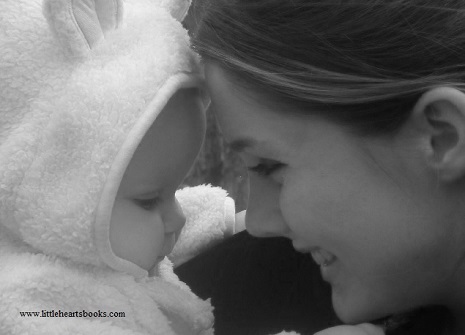 With society’s propensity for blaming social issues on ‘kids these days,’ and with struggling, frustrated parents seeking support by sharing stories of their teens’ attitudes and ingratitudes, it’s not surprising that adolescence gets a bad rap.
But the truth is that teens are just people like the rest of us, subject to human imperfections and simply trying to find their place in the world. They may have some hormonal ups and downs, but just as women don’t appreciate being grouped together and defined by exaggerated stories of PMS and men don’t like every decision they make in middle-age to be labeled evidence of a midlife crisis, teens don’t deserve that kind of disrespectful stereotyping, either.
The thing is, adolescent behaviors that parents fear most such as rebellion, drug use, eating disorders, etc. don’t just appear out of nowhere. Teens don’t grow up in a vacuum. Our early parenting choices matter far more than we can imagine in those first months and years of our children’s lives. Our early parenting not only shapes who our children will become, but also has a powerful impact on our relationship with our teens. We are, literally, building our relationship with our teens while we’re parenting our toddlers and preschoolers.
Ideally, preparation for the teen years begins in infancy as we spend those first months of our children’s lives laying a foundation of trust. Then, in the toddler years, that preparation continues as we establish safe and reasonable boundaries with gentle guidance, patience, and proactive parenting like planning shopping trips around naps and bringing along snacks and favorite toys to avoid tantrum triggers.
In the preschool and middle years, preparation for adolescence builds on the trust foundation we laid in the first months and years of our teen’s lives as we grow a spirit of cooperation rather than compulsory compliance, establish a healthy relationship with our children based on teamwork instead of a dictatorship based on forced obedience, and create strong lines of communication rooted in hearing and being heard rather than the often-closed hearts and minds that result from lectures and control-based parenting.
The result…
- Children who don’t have to fight for independence because they don’t have anything to rebel against or any motivation for rebellion
- Children who feel that they are respected and that their opinions are heard and valued and therefore don’t have the angst to fuel negative attitudes
- Children who trust and feel trusted and don’t want to lose what they instinctively know is of great value ~ our mutual trust relationship
Thus the groundwork is set for gently parenting through the teen years.
Once we’ve done the groundwork for the teen years, preparation shifts from preparing for adolescence to preparing our adolescents for adulthood. In the day-to-day parenting of teens, preparation means getting them and ourselves ready for their advent into adulthood by intentionally and incrementally handing over the reins of their lives into their inexperienced, but capable hands.
Another aspect of parenting our teens is participation in their lives. In the early years, participation means joining our little ones as they explore the world with mud-splattered walks in the rain and building tilted block towers which tumble and are rebuilt time and again. It means reading bedtime stories and welcoming midnight visitors in our beds and sharing morning tickle-fests and kissing imaginary boo-boos.
In the teen years participation means much the same, only instead of blocks tumbling, it’s plans and hopes and hearts that sometimes tumble into disappointments and need our support and understanding to be rebuilt. It’s midnight visitors who tap softly on our door and ask if we can chat for a bit. It’s shared hugs and cheers and tears and whispers of encouragement. It’s being there, being aware, being in-tune. It’s active, proactive, and intentional parenting.
And, finally, how we interpret our children’s behavior in the early years sets the stage in a very real way for how we will interpret their behavior in adolescence. In the early years, interpretation means that instead of assigning negative ulterior motives to our little ones’ crying, curiosity, outbursts, explorations, tantrums, and other behaviors, we seek to interpret what they are communicating and empathize with and validate their emotions. It means we try to meet the needs behind the behaviors first, opening the door to gentle guidance so that we can equip them with better ways of expressing their needs as they grow and mature.
Interpretation in the teen years means exactly the same. We listen, assume the best, meet needs, listen more, give grace for being human, empathize with and validate emotions, listen and listen some more, and continue to create open hearts and minds through connection and communication so that our gentle guidance can be heard and received and trusted.
Here’s the thing, yes, our teens are human and they will act like the imperfect beings they are at times, just like we all do. But when we’ve grown our little humans in an atmosphere of connection, communication, and cooperation, those imperfect human moments stay exactly that…moments. They don’t explode into rebellion or fester into addictions or plummet into depression because they’ve been punished, suppressed, and ignored. They are simply normal, small moments of life that we work through together before they become big life problems.
If, however, you are new to the idea of gentle parenting and wonder if it’s too late to rebuild and repair your relationship with your children, the answer is, “No.” One of the miracles of human nature is the ability to forgive, heal, and start again. Here are some links to articles with specific suggestions for walking with your children through that process so you can begin your gentle journey in parenting peacefully, kindly, and effectively with your older child:
Backtalk is Communication…LISTEN
The Gift of a Strong-Willed Child
Bridge Over Troubled Waters~Parenting a ‘Problem’ Child
Two Thousand Connection Points a Day: Attachment Parenting Beyond Infancy
Award-winnning author, L.R.Knost, is the founder and director of the children's rights advocacy and family consulting group, Little Hearts/Gentle Parenting Resources, and Editor-in-Chief of Holistic Parenting Magazine. Books by L.R.Knost include Whispers Through Time: Communication Through the Ages and Stages of Childhood ; Two Thousand Kisses a Day: Gentle Parenting Through the Ages and Stages ; The Gentle Parent: Positive, Practical, Effective Discipline ; and Jesus, the Gentle Parent: Gentle Christian Parenting the first four books in the Little Hearts Handbook gentle parenting series, and children’s picture books Petey’s Listening Ears and the soon-to-be-released Grumpykins series.
Sexting: Irresponsible at Seventeen Magazine
[By L.R.Knost, author of Two Thousand Kisses a Day: Gentle Parenting Through the Ages and Stages, Whispers Through Time: Communication Through the Ages and Stages of Childhood, and The Gentle Parent: Positive, Practical, Effective Discipline available on Amazon and through other major retailers.]
~~~~~~~~~~~~~~~~~~~~~
 In this digital era not only is the world available literally at our fingertips, but a whole new world has opened for predators, pedophiles, perverts, and porn purveyors to assault our children. From predators posing as children to draw children into online relationships and then lure them into real-life danger to pedophiles using the power and anonymity of the internet to traffic in child pornography, our children are at risk in ways that are increasingly difficult to monitor, filter, and protect them from. We are advised to supervise their online activities, but how are we to know that little twelve-year-old Patsy from piano class is actually fifty-year-old Patrick from prison or that fourteen-year-old Joey from the local gym is actually forty-eight-year-old Jimmy from the local jail?
Talking with our children about the dangers, staying in-tune with them so we recognize when they are stressed or feeling pressured or guilty, working on intentional connection and two-way communication so that our children feel safe and comfortable with us, and maintaining an open, non-judgmental relationship throughout their childhood so that they know they can come to us for help with anything, anytime, anywhere are all vital elements in keeping our children safe from adults who would do them harm.
But what about when it’s other children who are the danger? What about when they are violated by an in-real-life friend? Most of us have had the conversations about stranger-danger and friend-danger and good-touches and bad-touches and our children know what constitutes a personal violation in the physical sense, but do they know what constitutes a violation online and via text and Instagram and other digital media?
Children are increasingly becoming victims of virtual and visual sexual harassment by their own peers and are being bullied either into reciprocating and/or into silence. One such sexual victimization is called ‘sexting’ and has become a huge problem across cultural, ethnic, and gender boundaries. Sexting involves one party taking a graphically nude picture of themselves or of just specific body parts, and texting them to another party. These pictures sometimes get shared from one young person to the next, resulting in ruined reputations and often intense bullying. Children like thirteen-year-old Hope Witsell have been so viciously bullied and horribly humiliated that they have taken their young lives to escape the torture.
Released into this environment by Seventeen Magazine, whose target market is from tweens to teens (ages 12 to 19), is a recent article entitled “What’s with the Pics, Dude?” This incredibly irresponsible article about sexting portrays young males as hapless victims of their own sexual and approval needs and young females as those responsible for redirecting the young men into more appropriate behaviors. The young males are characterized as “needing reassurance that they are desirable” and “fishing for a compliment” and as “figuring you’ll be excited” and “hoping to start a game.” While the young females victimized by the sexting are warned that they may be in danger of “trouble from the law” and that in order to “protect” themselves they should conceal the incident from their parents and from school officials. The damage done to a vulnerable girl who may be humiliated and frightened and looking for guidance as to how to handle the situation, but is told to hide it and to respond with a flirty response and a “cute selfie” instead of cutting off communications with the young man and seeking adult support is incalculable. And the danger the young lady is placed in, whether she may be intimidated into silence or pressured into reciprocation which may then put her in the situation faced by the young victims who committed suicide after their sexting pictures were shared, is very real.
I can only hope that parents are paying attention not only to their children’s online activities and digital interactions, but also to what they are reading so that they can filter the dangers and counteract the misinformation that abounds. Parents, your children have access to the internet, at home or the library or at school or at a friend’s house. And they have access to iPhones and other devices that can take, send, and receive pictures. Be aware. Be in-tune. Be intentional. Focus on maintaining your connection and keeping the lines of communication open. And don’t wait until your child brings these dangers to your attention. Bring them to theirs and let them know you are watching, and you’re available, and you are their safe place.
Related posts:
Backtalk is Communication…LISTEN
Parenting a Strong-Willed Child
Practical, Gentle, Effective Discipline
Award-winnning author, L.R.Knost, is the founder and director of the children's rights advocacy and family consulting group, Little Hearts/Gentle Parenting Resources, and Editor-in-Chief of Holistic Parenting Magazine. Books by L.R.Knost include Whispers Through Time: Communication Through the Ages and Stages of Childhood ; Two Thousand Kisses a Day: Gentle Parenting Through the Ages and Stages ; The Gentle Parent: Positive, Practical, Effective Discipline ; and Jesus, the Gentle Parent: Gentle Christian Parenting the first four books in the Little Hearts Handbook gentle parenting series, and children’s picture books Petey’s Listening Ears and the soon-to-be-released Grumpykins series.
Two Thousand Connection Points a Day: Attachment Parenting Beyond Infancy
[Reprinted from Two Thousand Kisses a Day: Gentle Parenting Through the Ages and Stages by L.R.Knost. Whispers Through Time: Communication Through the Ages and Stages of Childhood and The Gentle Parent: Positive, Practical, Effective Discipline also now available on Amazon and through other major retailers.]
~~~~~~~~~~~~~~~~~~~~~
 From kicking and rolling and stretching to being lulled to sleep by the rhythmic cadence of a mama’s heartbeat, little ones spend the first months of their existence wrapped in a warm, dark, gently swaying cocoon, a life-giving embrace, the ultimate hug, readying themselves for their grand entrance to the world.
Then, in those first moments of life beyond the womb, when the muffled sounds of the outside world become clear and the muted lights become glaringly bright, a warm chest with the scent of life-sustaining milk and the sweet sound of a familiar heartbeat welcome the little one to the comfort and safety of a mama’s arms.
In the days, weeks, and months following, little fingers and toes are counted and kissed again and again and again. Soft cheeks are snuzzled and a fuzzy little head is nuzzled, and two thousand kisses a day seems a reasonable number to a mama’s heart overflowing with tenderness for this tiny new member of the family.
Then comes the rolling and sitting and crawling and walking, and soon the two thousand kisses dwindle to brief morning cuddles before a toddler is off to explore the world, healing kisses on boo-boos, and goodnight snuggles with a bedtime book.
Time passes and the little one grows in independence, getting up and dressed and ready on their own, grabbing their own band-aid for a scrape, and reading themselves to sleep. Gone are the snuzzles and nuzzles of infancy, and the two thousand kisses a day are simply sweet memories.
Growing independence, though, doesn’t have to mean growing separation. Humans were created to be relational beings. We may outgrow our dependency, but we never outgrow the need for community, interaction, appreciation, reassurance, and support.
Infants, children, and adults alike all share this life-long need for connection. While over time that need will also be met through friendships, business engagements, social interactions, and the like, family relationships are the steady and sure bedrock of secure connection and belonging that ground us and assure us that our needs will not go unmet even in the darkest of times.
Attachment parenting is often misconstrued to be simply about breastfeeding, babywearing, cosleeping, etc. But, while those are possible choices for creating and maintaining a secure parent/child connection in the early years, they are just a small sampling of the relationship-building choices that parents can make throughout their children’s lives.
As little ones outgrow the ‘two thousand kisses a day’ stage, parents can begin consciously creating ‘two thousand connection points a day’ to replace those tender expressions of love with age-appropriate expressions of appreciation and approval, love and support.
From responding empathetically to a preschooler’s whine, to paying attention to a seven-year-old when they tell their endless stories, to listening ‘between the lines’ to the angst of a teen, maintaining a secure parent/child connection beyond infancy is simply about meeting emotional needs consistently, intentionally, and relationally.
Creating two thousand connection points a day isn’t about quality time, and it isn’t even about the quantity of time spent with our children. It is, instead, about being there in the small moments, the moments that matter to our children, and consciously meeting with them right where they are. It is about…
- Simply smiling and letting our eyes light up with welcome when our children walk in the room
- Maintaining eye contact when our children talk to us instead of letting our eyes constantly stray back to our laptop/iPhone
- Voicing our sincere appreciation for their latest ‘masterpiece’ or victory or achievement
- Expressing our affection physically in whatever way our children are comfortable with, whether it’s a wrestling match, a knuckle pound, or a hug
- Giving our children our undivided, wholehearted attention when they share their latest treasure or sing a never-ending song they make up as they go or just want to sit and be close for awhile
- Listening to what our children need to say without the threat of repercussion
- Inferring what they aren’t able to express verbally
- Welcoming our children into our daily lives, whether we are discussing politics or cooking dinner or fixing the toilet
- Allowing our children to express their emotions, even when they aren’t pretty
- Validating their anger, hurt, frustration, or embarrassment instead of minimizing or dismissing their feelings
- Helping them to process those emotions by listening and reflecting back what we hear
- Guiding them toward understanding of their own feelings and empathetically equipping them with coping mechanisms for the future
- Sharing our own hurts, disappointments, and mistakes in age-appropriate terms so they’ll know it’s okay to be human
- Honoring our children’s intense need to avoid embarrassment by offering guidance privately and respectfully, even if their behavior issue is public and/or disrespectful
- Sharing their interests even if the life-cycle of a snail wouldn’t be our first choice of dinner conversation
- Offering choices so they can grow in independence and confidence
- Supporting them even when their choices lead to disappointment or failure
- Being gently and kindly and completely honest about our own disappointment or hurt when their behavior negatively affects us so they’ll know they can trust us to be truthful, even in the hard things
- Helping them whenever and wherever they express a need for assistance so they’ll know they never have to go life alone
These connection points are all about maintaining and enriching a strong parent/child relationship through all of the ages and stages of childhood so that, through a foundation of trust and mutual respect, parenting takes the form of guiding instead of punishing, encouraging natural growth instead of forcing independence, and creating a strong, intimate, interwoven family fabric that will stand the test of time.
Award-winnning author, L.R.Knost, is the founder and director of the children's rights advocacy and family consulting group, Little Hearts/Gentle Parenting Resources, and Editor-in-Chief of Holistic Parenting Magazine. Books by L.R.Knost include Whispers Through Time: Communication Through the Ages and Stages of Childhood ; Two Thousand Kisses a Day: Gentle Parenting Through the Ages and Stages ; The Gentle Parent: Positive, Practical, Effective Discipline ; and Jesus, the Gentle Parent: Gentle Christian Parenting the first four books in the Little Hearts Handbook gentle parenting series, and children’s picture books Petey’s Listening Ears and the soon-to-be-released Grumpykins series.
The Gift of a Strong-Willed Child
[Reprinted from The Gentle Parent: Positive, Practical, Effective Discipline by L.R.Knost. Whispers Through Time: Communication Through the Ages and Stages of Childhood and Two Thousand Kisses a Day: Gentle Parenting Through the Ages and Stages also available on Amazon and through other major retailers.]
 There are some children who are born into the world with the incredible life-gift of a strong will and an indomitable spirit. These children are often deeply misunderstood, and there are rows of books lining bookstore shelves with instructions about how to break their will, how to subdue their spirit, how to force their obedience. What an incredible loss of leadership, passion, and insight this world suffers when parents follow these punitive parenting practices. Not only can we parent these gifted children with gentleness and respect, but the gifts we get in return are priceless!
Take a look at some of the common descriptions used when referring to the characteristics of a strong-willed child:
Demanding, Insistent, Stubborn, Bossy, Cocky, Difficult, Challenging, Fixated, Contrary, Rebellious, Defiant
Now look at some of the common characteristics of adults who are world leaders, CEO’s, entrepreneurs, innovators, world-class athletes, and the like:
Decisive, Determined, Persistent, Authoritative, Confident, Valiant, Gutsy, Committed, Resourceful, Nonconforming, Bold
Note that the characteristics are the same, but the characterizations are negative when applied to a child and positive when applied to an adult.
Other characteristics of strong-willed children that coincide with the characteristics of adult leaders in their fields are:
- They are typically highly creative and intelligent.
- They are usually passionate and intense in their interests and beliefs.
- They often have an insatiable need to know ‘why.’
- They typically learn by doing.
- They tend to have an intense need to test the status quo.
- They are typically highly perfection-oriented, but often that is focused on their expectations of themselves instead of others.
- They tend to need high levels of validation.
- They usually have an intense need to be heard.
- They often have a strong need for emotional safety.
- They tend to be resistant to change unless they feel like they have some control over the change.
- They are often highly sensitive.
- They are typically intensely focused on their latest project or interest.
- They tend to be conscientious and highly committed.
- They are usually intensely independent.
While there’s no doubt that it’s a challenge having a child who seems to challenge everything, there are ways to work with them rather than against them to preserve and nurture their unique gifts. Maintaining a healthy parent/child relationship is vital as you work to find a balance between setting limits with your richly spirited child while not limiting their freedom to stretch and grow and develop into the person they were created to be.
The key to preserving your trust relationship with your child is remaining calm and present and supportive, even while setting and maintaining reasonable boundaries. It is helpful to remember that the most strong-willed children tend to be the ones who identify the most strongly with their parents. So instead of viewing their seemingly constant challenges as defiance or attempts to thwart authority, work to parent from a place of understanding that your strong-willed child is actually on a discovery mission and is doing endless ‘research’ on you by testing and retesting and digging and chiseling to discover all of your quirks and foibles and ups and downs and strengths and weaknesses. This kind of testing isn’t negative unless you make it into a battle of wills instead of responding with gentle, respectful guidance. Taking this stance will help you to keep from seeing the challenges as personal insults and, instead, see the challenges as attempts to learn and grow and understand.
There is no doubt, though, that parenting a child with the gift of a strong will is a constant exercise in patience and self-regulation. The personal growth you will experience is invaluable as you seek to parent with empathy and wisdom and compassion, but it can be draining and will often stretch you far, far out of your comfort zone. Knowing that and being prepared for it will help you cope with the inevitable stresses, and being ready ahead of time with some specific strategies for handling the challenges will help you to respond calmly and effectively.
This is a good place to revisit the Three C’s of gentle discipline—Connection, Communication, and Cooperation.
Connection ~ Maintaining a secure connection with your spirited child is vital. It is the springboard from which all of your interactions with your child will originate, and it is the touchstone to which you will both return, again and again and again, when your relationship gets strained and stained and stretched.
- Play word games, board games, rough-and-tumble outdoor games, silly face in the mirror games. Play is the language of childhood, so make sure to speak your child’s language every day.
- Laugh together. Humor is an undervalued parenting tool. But it lowers defenses, inspires smiles, brings people together, and reconnects hearts.
- Read storybooks, chapter books, travel brochures, encyclopedias, anything that will inspire you to dream together, talk, plan, get excited, share interests.
- Focus more on who your child is than on what your child does. Remember, you’re growing a person, not fixing a problem. So make sure to spend time getting to know the person, not just the child. It doesn’t have to cost anything. Just walk together, talk together, share ice cream cones, spot shapes in the clouds, and enjoy each other.
Communication ~ Children have their own ‘inner world’ of thoughts and plans and problems and worries and hopes and dreams that are occupying their time and attention, so a lack of cooperation is often simply the result of having a different agenda than we do. Getting some insight into that ‘inner world’ is key in guiding and growing them respectfully.
- Listen with your heart. Listen ‘between the lines’ to what your child is communicating through their behavior. Listen and listen and listen some more. That is always, always the first step in communicating with your child.
- Reflect, connect, and redirect. Reflect what you hear, whether it’s communicated by your child’s behavior or their words. This not only validates their emotions and lets them know that you hear and understand them, but it also helps them to understand their own emotions. For instance, if your child is upset that he can’t have a cookie after brushing his teeth for bedtime, try saying, “I hear you. You’re upset because you want a cookie.” Then reestablish your connection, “I like cookies, too!” and offer a solution, “How about we go pick out the two best cookies and put them in a special container that we can take to the park in the morning?”
- Don’t take non-compliance as a personal insult. A strong-willed child is very much their own person with their own agenda. Focus on inviting cooperation instead of demanding obedience. Whether it’s staying in bed or cleaning up or whatever the issue, make it a team effort and come up with a game plan ahead of time. For example, you could say, “You seem to be having trouble staying in bed at night. What do you think would help you to be more ready to go to sleep when it’s time for bed?” or “It’s important to pick up our things so they don’t get broken, let’s put on the timer and work together for ten minutes and see who gets the most picked up.”
- Make a firm commitment not to resort to punishments to control behavior. The resentment that comes from being punished absolves children in their own minds of responsibility. It doesn’t teach them responsibility, and resentment can actually cause a lot of the behaviors you are trying to avoid.
- Communicate daily, outwardly to your child and inwardly to yourself, the positive aspects of your child’s personality. When the focus is on ‘fixing’ a child, they get the message that they are somehow broken, and that is not a healthy self-image to take into adulthood.
- ‘No’ is not a complete thought. It is an imperative, a command. It doesn’t teach. It tells. If you want your child to learn to think like an adult, take the time to explain your adult thinking.
- Remember that children, especially when they are upset, open ‘conversations’ through their behavior, and it’s up to us, the only adults in the relationship, to gently guide them toward continuing those conversations verbally as well as equipping them with the resources to be able to do so.
- Also keep in mind that the social mores of rudeness simply aren’t inborn and don’t apply to early interactions with our children. They are learned by imitating how we as parents behave. Politeness is a heart issue that cannot be imposed by the will of another unless we want it to only be an external façade instead of a heartfelt courtesy. Helping your strong-willed child learn to speak kindly means speaking kindly to your child as well as offering guidance when they’ve been rude such as saying, “That is not a nice tone of voice” or “That isn’t a kind thing to say” and then offering a do-over “Can you try saying that to me again more nicely? I’ll always try my best to be nice to you, and I would like you to try to do the same for me.” (see Appendix B in The Gentle Parent: Positive, Practical, Effective Discipline for more ideas)
Cooperation ~ Always keep at the forefront of your parenting goals that you are seeking thoughtful cooperation, not mindless compliance. That way you will remember to treat your child as a thoughtful individual with ideas and needs and feelings of their own instead of a mindless drone there to do your bidding.
- Set clear limits and explain them in age-appropriate terms. Remember, if you want to invite cooperation, you have to actually issue the invitation to cooperate!
- Limit the number of limits. Spirited children are often stressed children simply because of their own intense emotions and reactions to things, so set them up for success by keeping your limits few and clear and by maintaining them consistently.
- Make sure to let your child have a voice in determining the limits so they feel like they have some control over their lives and so they feel some ownership over the limits.
- Brainstorm together ways of helping everyone to work together. Some ideas are to come up with hand signals or words that remain your little secret codes to indicate when it’s time to leave the park or to do homework or to dial the activity level or noise volume down a few notches.
- Invite cooperation by creating daily routines together. Don’t be surprised if your child ends up being the one who is a stickler for following the routine, even to the point of nagging you to follow it. These gifted children tend to be all-in, fully focused and committed, and they’ll expect you to be the same!
- Cooperate with your child’s needs and personality by working with them rather than against them. For instance, if you know that your child has a hard time leaving a project, give them plenty of time to find a good stopping point when you need them to leave it for a while. Or if you know that your child has a hard time following directions at bedtime, try writing or drawing the tasks that need to be done (i.e. toothbrushing, pajamas, etc.) on ping-pong balls and put them in a small ‘bedtime jar’ so your child can feel some control over their routine as they independently pick out the balls one by one for a ‘surprise’ nighttime order of tasks or take them all out and decide what order to do them in themselves.
- If you are already locked in a head-to-head power struggle, put away your boxing gloves so your child will (eventually!) feel safe putting away theirs. When you battle with your child, you may win a skirmish or two, but you will lose the treasure…your trust relationship. Putting away the gloves means slowing down, breathing through your own emotions, and finding a way to work through the issue together. Remember, you’re the adult in the relationship, but that doesn’t give you the right to overpower your child; it gives you the responsibility to empower your child. That involves modeling the tools of diplomacy—communication, cooperation, compromise—that you want your child to stock in their own emotional toolkit.
Remember, the children who come into the world with their ‘boxing gloves on’ so to speak are often the ones who become the biggest world changers. It’s not easy raising these little world-changers, I know (Believe me, I know. Two of my six are world-changers-in-the-making!), but the rewards are phenomenal!
Related posts:
Healing Your Hurts So You Don’t Hurt Your Children
Backtalk is Communication…LISTEN
When Children Act Out ~ Reflecting Our Emotions
Bridge Over Troubled Waters~Parenting a ‘Problem’ Child
The Incredible Power of the Whisper
The Taming of the Tantrum: A Toddler’s Perspective
The Thoughtful Parent’s Guide to Positive Parenting Guides
Award-winnning author, L.R.Knost, is the founder and director of the children's rights advocacy and family consulting group, Little Hearts/Gentle Parenting Resources, and Editor-in-Chief of Holistic Parenting Magazine. Books by L.R.Knost include Whispers Through Time: Communication Through the Ages and Stages of Childhood ; Two Thousand Kisses a Day: Gentle Parenting Through the Ages and Stages ; The Gentle Parent: Positive, Practical, Effective Discipline ; and Jesus, the Gentle Parent: Gentle Christian Parenting the first four books in the Little Hearts Handbook gentle parenting series, and children’s picture books Petey’s Listening Ears and the soon-to-be-released Grumpykins series.
Helping Unique Learners Find Their Genius ♥

[From Raising Bookworms: Life, Learning, and Literacy by L.R.Knost available 2014; Two Thousand Kisses a Day: Gentle Parenting Through the Ages and Stages, Whispers Through Time: Communication Through the Ages and Stages of Childhood, and The Gentle Parent: Positive, Practical, Effective Discipline now available on Amazon]
~~~~~~~~~~~~~~~~~~~~~
 Homeschooling a unique learner can be challenging simply because they don’t get the benefit of access to testing and professional support without a lot of initiative, research, phone calls, and door-knocking on your part. But the trade-off is the freedom to tailor your teaching and learning environment to your child’s needs, and that is of incredible value when educating a unique learner.
Albert Einstein said, “Everybody is a genius. But if you judge a fish on its ability to climb a tree, it will live its whole life believing that it is stupid.” Unique learners have beautiful minds just waiting to find their genius. We just need to look outside of the box to help them find it!
Here are some of the tips, tools, and techniques I’ve learned through years of homeschooling my unique learners to help them work through the challenges they face on a daily basis:
1.) Lighten up…Everything in life is easier if you take it with a grain of salt and learn to laugh. Our unique learners will have more struggles and challenges than the average person throughout life, not just during their school years. That is an unavoidable fact. But who wants to be ‘average’ anyway? Help them to celebrate their uniqueness and embrace the future with grace and humor by sharing your own struggles, modeling coping techniques, and being able to laugh at your own mistakes. Make ‘even missteps are valuable steps on the road to success’ your homeschool motto!
2.) Play…Children learn best through play, and that applies to therapy, as well. Experience is the only true path to learning, so let their imaginations soar as they do the hard work of learning to cope with their unique challenges. (See some play-based, brain-enriching, and eye-tracking activities below)
3.) Jazz it up…Music truly is medicine for the soul. Buy a good set of headphones (not earbuds) and play classic instrumentals softly while your unique learner is trying to concentrate, whether it be on reading or writing or drawing, etc. Filtering out the cacophony of life and soothing their stress levels with the gentle strains of Mozart are only some of the benefits of music. Another benefit is that the rhythms, cadence, and timing of music actually have an organizing effect on the brain!
4.) Exercise…Invest in an exercise bicycle (We got ours for $15 from a yard sale!) that lets your unique learner sit in a comfortable seat while pedaling. The cross-over action of pedaling also has an organizing effect on the brain, and, if used while reading or playing video games (Video games can be great exercises for eye-tracking if you choose the right ones!) can actually increase the speed and effectiveness of learning.
5.) Get crunchy…Believe it or not, another ‘brain organizing’ activity is chewing, particularly crunchy foods, while reading, etc. Some good choices are pretzels, carrot sticks, celery, granola, and nuts. (If you’ve got a sensory sweetie like I do, be careful to let them choose something that won’t send their senses into overdrive.) Sugarless chewing gum can be substituted when you go places where foods aren’t appropriate, but still would like to offer your child a calming, organizing aid.
6.) Listen, listen, listen…Your unique learner will have more than their share of stress and possibly a harder time articulating it than others might. Slow down and really focus on what they are communicating. Listen ‘between the lines’ to their heart, their hurts, their fears, their needs. Be their safe place, their source of comfort and renewal.
7.) Hug it out…Physical closeness is healing, and so make sure that along with the extra struggles and challenges your unique learner faces, they get lots of extra cuddles, snuggles, and hugs. When they get older, a gentle touch on their shoulder or a light hand on their arm will be instantly calming and comforting because it will tap into those feelings of comfort and closeness from earlier childhood.
8.) Watch and learn…Just as every child is different, every child with challenges is unique in how they manifest those challenges and how they handle them. Paying careful attention to your own unique learner’s personality, struggles, aversions, triggers, etc. will give you clues as to how to help them learn to cope. With SPD (Sensory Processing Disorder), for example, avoiding unpleasant stimulus and providing needed stimulus is the name of the game. Typically, you’ll want to provide a quiet learning area at home, lots of freedom to move, permission to step away and de-stress when they feel overwhelmed, etc. and, when going out, avoid buffet-style restaurants and loud, crowded shopping and entertainment venues.
9.) Guide them gently…Discipline (guiding, modeling, teaching, etc.) invites communication and strengthens your parent/child connection. Punishment stifles communication and strains parent/child connections. Keep those vital lines of communication open and your parent/child connection healthy by providing consistent boundaries and gentle guidance, being open to discussion, and modeling the desired behavior.
10.) Read, read, read…Successful readers are not simply those who understand the mechanics of reading any more than successful biking is understanding the mechanics of a bicycle. Readers are born when a love for reading is fostered. Let them see you reading often. Cuddle up and read to them when they are young. Co-read (you read a sentence, they read a sentence, etc) when they are new readers or when they are tired or struggling. Let them read comics (The relation of pictures to words is a huge aid in reading comprehension.). For more reading tips, see Raising Bookworms.
Here are some exercises and activities that have helped my Renaissance Girl with her challenges with SPD, dyslexia, ADD, visual/auditory processing disorders, dyscalculia, etc:
Gross motor and fine motor cross-over exercises to get the two sides of the brain communicating more efficiently…
~Bouncing a brightly colored ball back and forth between us using alternate hands (left, right, left, right, etc.)
~Skipping, marching, swinging while singing 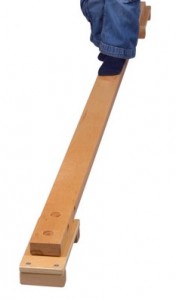
~Climbing
~Balance beam
~Bicycling
~Piano
~Sorting 
Brain-organizing activities…
~Memory matching
~Tonal music
~Free-style building with blocks, Tinker Toys, Legos, etc.
~Design-matching building
~Sensory bins
Eye-tracking activities…
~Laser pointer games-following a laser pointer light in a darkened room, pointing to moving targets (i.e. bubbles), etc.
~Ceiling tracing-following the seam of the wall and ceiling from corner to corner moving only the eyes
~Video games-Flash Focus and Brain Age are good choices for the Gameboy. Wii Fit, Carnival Games, and Sports Games are good for the Wii. There are also great games for improving eye-tracking for the X-box, Playstation, and online. If you do the research to find what best fits your child’s interests, you’ll have much better participation!
Visual-motor learning…
~Clay letters-tactile learning by forming letters and words on a template with clay or dough 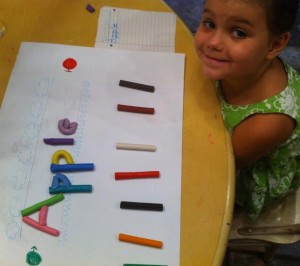
~Contextual learning-Children with dyslexia tend to learn better in context than by breaking things down to their parts, so phonics-based learning is often mind-boggling for them. Flashcards are a no-go because speed and movement impede their attempts to focus rather than help them. Writing-based learning such as copying and illustrating short poems, copying a short sentence from a wall-mounted chalkboard or large paper taped to the wall and illustrating it, writing and illustrating their own stories, and writing stories on the computer are great ways to help them learn to read.
~Once they are beginning to read, graphic novels, large-print chapter books on topics that interest them, and continued creative writing are excellent practice.
~Online reading games can be helpful, but only if they are untimed (Timed anything is a huge stressor and sets them up for frustration and failure.) and your child feels comfortable with the level of activity and brightness on the screen as otherwise these can cause headaches and their eyes to tire quickly.
These tips are not, of course, exhaustive or a replacement for professional therapies. But as you work your way through what can often be a labyrinth of paperwork, meetings, appointments, etc. on your way to finding the services your child needs, these may help to ease the wait a bit. 🙂
Related posts:
Children who love to read…READ! Engaging children’s hearts in the wonder of reading instead of just training their minds in its mechanics. Raising Bookworms
It’s time for a return to childhood, to simplicity, to running and climbing and laughing in the sunshine, to experiencing happiness instead of being trained for a lifetime of pursuing happiness…it’s time to let children be children again. A Return to Childhood
Think homeschooled children are unsocialized, over-controlled, locked-away-from-the-world misfits? Think again! My Renaissance Girl
Successful reading means far more than possessing the ability to read. Engaging the hearts of students moves reading success beyond a life skill and turns it into a life style. And graphic novels are too powerful of a tool in our arsenal to be disregarded because of pride or prejudice. Raising Super Readers~The MARVELous Power of Comic Books!
In the world of a child wonders are as simple as sticks and sheets, leaves and books, boxes and giggles, and the promise in a rainy day. The Seven Wonders of the World of Childhood
Parenting choices strongly impact the level and type of attachment a child develops and, by extension, the development of a love of learning. A love of learning grows when it isn’t stifled by fear or stress or regimented by over-structuring or a focus on achievement or competition. Parents fostering a healthy attachment are thus also fostering a life-long love of learning in their children. Live to Play~Play to Learn~Learn to Live!
If you give a toddler a book
He’ll climb into your lap
While he’s in your lap
He might lay his head on your chest
When he lays his head on your chest
He’ll hear your heartbeat
When he hears your heartbeat
He’ll probably ask if you can hear… If You Give A Toddler A Book…
Einstein recognized his unique lens and often commented about it and about how organized education systems didn’t accommodate individuality and creativity. Here is a look into this ‘unique learner’s’ mind in his own words…Beautiful Minds
Award-winnning author, L.R.Knost, is the founder and director of the children's rights advocacy and family consulting group, Little Hearts/Gentle Parenting Resources, and Editor-in-Chief of Holistic Parenting Magazine. Books by L.R.Knost include Whispers Through Time: Communication Through the Ages and Stages of Childhood ; Two Thousand Kisses a Day: Gentle Parenting Through the Ages and Stages ; The Gentle Parent: Positive, Practical, Effective Discipline ; and Jesus, the Gentle Parent: Gentle Christian Parenting the first four books in the Little Hearts Handbook gentle parenting series, and children’s picture books Petey’s Listening Ears and the soon-to-be-released Grumpykins series.
The Thoughtful Parent’s Guide to Positive Parenting Guides
Whether you are an expectant parent, a new parent, or a seasoned parent, looking for a parenting book that resonates with your beliefs can be almost as overwhelming as parenting itself. The choices are practically endless when it comes to mainstream (read: punitive) parenting guides. In fact, if you go to the library or browse the shelves at Barnes & Noble or check out Amazon’s best-sellers in the parenting genre, you will find a predominance of popular, punishment-based, obedience-focused parenting guides. But when it comes to parenting guides with positive, practical, effective alternatives to punitive parenting, the choices are a bit more limited and can be harder to find. Here are more than a dozen positive parenting books for you that have beat the odds and worked their way through the maze of mainstream punitive parenting guides to become best-sellers:
Two Thousand Kisses a Day: Gentle Parenting Through the Ages and Stages by L.R.Knost
Calm, Reassuring, Likable ~ Written in L.R.Knost’s signature easy-to-read and conversational style, ‘Two Thousand Kisses a Day’ offers an overview of gentle parenting from birth through young adulthood along with concrete suggestions and insights into how to implement gentle parenting in each stage of childhood. Her seasoned and practical approach based on extensive child development research and years of parent mentoring as well as over twenty-five years of parenting her six children is as likable as it is reassuring. Parents with children of any age will find this information-packed book with its bite-sized chapters and practical approach to parenting a helpful and encouraging addition to their home library, as well as a welcome gift for new or struggling parents. ~The Parenting Review
Whispers Through Time: Communication Through the Ages and Stages of Childhood by L.R.Knost
Sweet, Funny, Insightful ~ Award-winning ‘Whispers Through Time’ by L.R. Knost is destined to be a dog-eared favorite, passed down from generation to generation. L.R. Knost shows parents how to find their own answers for their own children and their own families in this guidebook as she challenges conventional thinking with a wisdom born of experience and a healthy dose of research to back it up. Written with the same unique blend of sweetness and humor, grit and honesty, reassurance and insight that made L.R. Knost’s first book, ‘Two Thousand Kisses a Day: Gentle Parenting Through the Ages and Stages,’ a best-seller, ‘Whispers Through Time’ has become a runaway hit in its own right. ~The Parenting Review
The Gentle Parent: Positive, Practical, Effective Discipline by L.R.Knost
Relaxed, Reassuring, Practical ~ Written by L.R.Knost, best-selling, award-winning author of ‘Two Thousand Kisses a Day’ and ‘Whispers Through Time,’ ‘The Gentle Parent: Positive, Practical, Effective Discipline’ shares the simple secrets of a peaceful, happy home in the Three C’s of gentle discipline–Connection, Communication, and Cooperation. In her signature relaxed and poetic style, L.R.Knost gently guides parents through the steps of applying the Three C’s in real-life scenarios from tantrums to defiance to parenting a strong-willed child to healing a broken parent/child relationship. Practical and
proven, this newest installment in the Little Hearts Handbook parenting series will be tucked into diaper bags, kept handy on nightstands, and shared with good friends for its research-backed, experience-based, and humor-rich insights, ideas, and inspiration. ~The Parenting Review

Jesus, the Gentle Parent: Gentle Christian Parenting by L.R.Knost
Intelligent, Well-Researched, Compassionate ~ L.R.Knost has done it again. With her compassionate tone, relational style, and intelligent, well-researched writing, Jesus, the Gentle Parent is like a refreshing, peaceful walk through the scriptures with a friendly and knowledgeable tour guide. This book differs from Two Thousand Kisses a Day, Whispers Through Time, and The Gentle Parent: Positive, Practical, Effective Discipline in that it takes a Christian approach to parenting as L.R. takes on big names in the Christian child-training sect such as Dr. James Dobson, Tedd Tripp, Gary Ezzo, and Michael Pearl, breaking down their doctrine and reexamining such issues as spanking, instant obedience, submission, free will, and more in light of the original Hebrew and Greek texts of the scriptures. As always, L.R. offers gentle parenting alternatives along with real-life examples of their applications, but in Jesus, the Gentle Parent she goes even further and shares parenting insights based on the life of Jesus that will turn the mainstream Christian world on its head. This is truly a grace-based parenting book which shows parents how to be “their children’s first taste of God” by following in the gentle, wise, grace-filled footsteps of Jesus. ~ The Parenting Review
 The Other Baby Book: A Natural Approach to Baby’s First Year by Megan McGrory Massaro and Miriam J. Katz
Massaro and Katz are helping mothers reclaim a simpler, more connected first year with their babies. Readers will find eight fun-to-read chapters filled with baby-friendly practices, along with stories from moms in-the-know. In a soothing yet sassy voice, the authors present compelling research on topics like birth, holding your baby, breastfeeding, infant sleep, pottying babies (yes, really!), sign language, baby-led solids, and self-care for moms. The book also features contributions from leading practitioners in baby care: Dr. James McKenna, Dr. Janet Zand, Naomi Aldort, Gill Rapley, Nancy Mohrbacher, and more.
 Sleeping with Your Baby: A Parent’s Guide to Cosleeping by James J. McKenna
Intelligent, respectful, and informative, ‘Sleeping With Your Baby: A Parent’s Guide’ is your guide to understanding how to make night-times with your baby safe, fun and relaxing! Written by the world’s foremost authority on co-sleeping, James J. McKenna, Ph.D. Professor of Biological Anthropology, Director, Mother-Baby Sleep Laboratory, University of Notre.
 The Attachment Parenting Book : A Commonsense Guide to Understanding and Nurturing Your Baby by William Sears and Martha Sears
Might you and your baby both sleep better if you shared a bed? How old is too old for breastfeeding? What is a father’s role in nurturing a newborn? How does early attachment foster a child’s eventual independence? Dr. Bill and Martha Sears — the doctor-and-nurse, husband-and-wife team who coined the term “attachment parenting” — answer these and many more questions in this practical, inspiring guide. Attachment parenting is a style of parenting that encourages a strong early attachment, and advocates parental responsiveness to babies’ dependency needs. “The Attachment Parenting Book” clearly explains the six “Baby B’s” that form the basis of this increasingly popular parenting style: Bonding, Breastfeeding, Babywearing, Bedding close to baby, Belief in the language value of baby’s cry, Beware of baby trainers. Here’s all the information you need to achieve your most important goals as a new parent: to know your child, to help your child feel right, and to enjoy parenting.
 Beyond the Sling by Mayim Bialik
Attachment parenting rests on one revolutionary principle: you already know the majority of what you need to know to be an incredible parent. Popularized by physicians like Dr. William Sears and Dr. Jay Gordon, attachment parenting directly contradicts the two hundred years of Western culture that has convinced us that we need a lot of help: help giving birth; help “teaching” our baby to sleep; help just being a parent. ‘Beyond the Sling’ is not that kind of parenting book.
Mayim Bialik shows us that by understanding the basic theories of attachment and infant development—and incorporating age-old childrearing methods like breastfeeding, baby wearing, gentle discipline, and co-sleeping—we can truly be the parents that nature intends us to be. With a PhD in neuroscience and a specialization in the hormones of attachment, Bialik is uniquely qualified to explain the science behind the method and how it’s your evolutionary right to tap into your intuition and enjoy every stage of parenthood. A mother of two young boys, she also offers a firsthand account of how she came to follow the tenets of attachment parenting, plus a down-to-earth guide to making this lifestyle work for every kind of family.
 How To Talk So Kids Will Listen & Listen So Kids Will Talk by Adele Faber and Elaine Mazlish
This bestselling classic includes fresh insights and suggestions as well as the author’s time-tested methods to solve common problems and build foundations for lasting relationships, including innovative ways to:
-Cope with your child’s negative feelings, such as frustration, anger, and disappointment
-Express your strong feelings without being hurtful
-Engage your child’s willing cooperation
-Set firm limits and maintain goodwill
-Use alternatives to punishment that promote self-discipline
-Understand the difference between helpful and unhelpful praise
-Resolve family conflicts peacefully
Enthusiastically praised by parents and professionals around the world, the down-to-earth, respectful approach of Faber and Mazlish makes relationships with children of all ages less stressful and more rewarding.
 Unconditional Parenting: Moving from Rewards and Punishments to Love and Reason by Alfie Kohn
In this truly groundbreaking book, nationally respected educator Alfie Kohn begins instead by asking, “What do kids need — and how can we meet those needs?” What follows from that question are ideas for working with children rather than doing things to them.
One basic need all children have, Kohn argues, is to be loved unconditionally, to know that they will be accepted even if they screw up or fall short. Yet conventional approaches to parenting such as punishments (including “time-outs”), rewards (including positive reinforcement), and other forms of control teach children that they are loved only when they please us or impress us. Kohn cites a body of powerful, and largely unknown, research detailing the damage caused by leading children to believe they must earn our approval. That’s precisely the message children derive from common discipline techniques, even though it’s not the message most parents intend to send.
More than just another book about discipline, though, Unconditional Parenting addresses the ways parents think about, feel about, and act with their children. It invites them to question their most basic assumptions about raising kids while offering a wealth of practical strategies for shifting from “doing to” to “working with” parenting — including how to replace praise with the unconditional support that children need to grow into healthy, caring, responsible people. This is an eye-opening, paradigm-shattering book that will reconnect readers to their own best instincts and inspire them to become better parents.
 Playful Parenting by Lawrence J. Cohen
Have you ever stepped back to watch what really goes on when your children play? As psychologist Lawrence J. Cohen points out, play is children’s way of exploring the world, communicating deep feelings, getting close to those they care about, working through stressful situations, and simply blowing off steam. That’s why “playful parenting” is so important and so successful in building strong, close bonds between parents and children. Through play we join our kids in their world–and help them to:
-Express and understand complex emotions
-Break through shyness, anger, and fear
-Empower themselves and respect diversity
-Play their way through sibling rivalry
-Cooperate without power struggles
From eliciting a giggle during baby’s first game of peekaboo to cracking jokes with a teenager while hanging out at the mall, Playful Parenting is a complete guide to using play to raise confident children. Written with love and humor, brimming with good advice and revealing anecdotes, and grounded in the latest research, this book will make you laugh even as it makes you wise in the ways of being an effective, enthusiastic parent.
 The Honest Toddler: A Child’s Guide to Parenting by Bunmi Laditan
The Honest Toddler provides an indispensable manual to parenting that places the toddler’s happiness front and center. Outrageously confident and sweetly indignant, the Honest Toddler tackles everything from preferred toddler foods (unbroken crackers and undiluted juice), sleep- and potty-training methods (none), playdate etiquette (mi casa es not su casa), and the proper response to random aggression at the playground (Embrace it. Park justice is messy but swift).
The result is a parenting book like no other, one that will leave moms and dads laughing, and maybe crying, as they recognize their own child in the ongoing shenanigans of one bravely honest toddler. Lighthearted and tongue-in-cheek, this toddler’s eye-view is a real eye-opener for parents, giving valuable insight into the inner workings of the toddler mind.
 Peaceful Parent, Happy Kids: How to Stop Yelling and Start Connecting by Laura Markham
A groundbreaking guide to raising responsible, capable, happy kids…Based on the latest research on brain development and extensive clinical experience with parents, Dr. Laura Markham’s approach is as simple as it is effective. Her message: Fostering emotional connection with your child creates real and lasting change. When you have that vital connection, you don’t need to threaten, nag, plead, bribe—or even punish.
This remarkable guide will help parents better understand their own emotions—and get them in check—so they can parent with healthy limits, empathy, and clear communication to raise a self-disciplined child. Step-by-step examples give solutions and kid-tested phrasing for parents of toddlers right through the elementary years.
If you’re tired of power struggles, tantrums, and searching for the right “consequence,” look no further. You’re about to discover the practical tools you need to transform your parenting in a positive, proven way.
 The Whole-Brain Child: 12 Revolutionary Strategies to Nurture Your Child’s Developing Mind by Daniel J. Siegel and Tina Payne Bryson
In this pioneering, practical book, Daniel J. Siegel, neuropsychiatrist and author of the bestselling Mindsight, and parenting expert Tina Payne Bryson offer a revolutionary approach to child rearing with twelve key strategies that foster healthy brain development, leading to calmer, happier children. The authors explain—and make accessible—the new science of how a child’s brain is wired and how it matures. The “upstairs brain,” which makes decisions and balances emotions, is under construction until the mid-twenties. And especially in young children, the right brain and its emotions tend to rule over the logic of the left brain. No wonder kids throw tantrums, fight, or sulk in silence. By applying these discoveries to everyday parenting, you can turn any outburst, argument, or fear into a chance to integrate your child’s brain and foster vital growth.
Complete with age-appropriate strategies for dealing with day-to-day struggles and illustrations that will help you explain these concepts to your child, The Whole-Brain Child shows you how to cultivate healthy emotional and intellectual development so that your children can lead balanced, meaningful, and connected lives.
 Bloom: Helping Children Blossom by Lynne Kenney and Wendy Young
A Lovely Listopia of Practical Approaches to Behavioral Issues ~ From Pediatric Psychologist Dr. Lynne Kenney and Behavioral Specialist Wendy Young, ‘Bloom: Helping Children Blossom’ is an excellent resource for parents, teachers, and caregivers. ‘Bloom’ provides insights into the emotional development of children, offers specific ‘scripts’ for how to communicate effectively when dealing with behavioral issues, challenges parents to examine their own emotional responses, and provides detailed professional resources for parents who feel their children may need therapeutic assistance and support. Down to earth and practical, ‘Bloom’ is refreshingly written in an approachable, conversational style that makes its resources as accessible as they are invaluable.
 The Newbie’s Guide to Positive Parenting by Rebecca Eanes
Do you want to create a more positive and peaceful home? Are you tired of parenting formulas and techniques that just don’t work and leave you feeling at odds with your child? Learn the 5 principles of positive parenting and discover how to bring connection and peace back into your relationship with your child. You’ll learn a new way in which to relate to your child, one which fosters connection rather than disconnection, respect rather than rebellion, and cultivates a healthy relationship which you can enjoy throughout the years.
Written by best-selling author, blogger, and the founder of Positive-parents.org whose Facebook community is more than 40,000 strong, Rebecca Eanes is not a typical parenting ‘expert’ but writes parent to parent with the inspiring message of creating peaceful homes through positive parenting.
 Positive Parenting in Action: The How-To Guide for Putting Positive Parenting Principles into Action in Early Childhood by Laura Ling and Rebecca Eanes
Parenthood is a beautiful journey. We don’t have to become adversaries with our children; doing so is very unnatural to our humanity. We are all wired for connection, for closeness, and for love. Positive parenting frees us to move from the traditional parenting roles which create friction and rebellion and allows us instead to move into a more natural role which creates cooperation and peace. The inevitable conflicts that arise in a relationship no longer define the relationship, but serve as stepping-stones to greater understanding and connection.
There is an abundance of resources available which tell parents why traditional parenting practices are not optimal, but few help parents learn what to do in place of traditional practices. In this book, we’ll discuss the principles of positive parenting, and then we will go through more than 40 scenarios to show you what it looks like when these principles are put into action.
 Screamfree Parenting: The Revolutionary Approach to Raising Your Kids by Keeping Your Cool by Hal Edward Runkel
ScreamFree Parenting is not just about lowering your voice. It’s about learning to calm your emotional reactions and learning to focus on your own behavior more than your kids’ behavior . . . for their benefit. Our biggest enemy as parents is not the TV, the Internet, or even drugs. Our biggest enemy is our own emotional reactivity. When we say we “lost it” with our kids, the “it” in that sentence is our own adulthood. And then we wonder why our kids have so little respect for us, why our kids seem to have all the power in the family. It’s time to do it differently. And you can. You can start to create and enjoy the types of calm, mutually respectful, and loving relationships with your kids that you’ve always craved. You can begin to revolutionize your family, starting tonight.
Parenting is not about kids, it’s about parents. If you’re not in control, then you cannot be in charge. What every kid really needs are parents who are able to keep their cool no matter what. Easier said than done? Not anymore, thanks to ‘ScreamFree Parenting’ the principle-based approach that’s inspiring parents everywhere to truly revolutionize their family dynamics. Moving beyond the child-centered, technique-based approaches that ultimately fail, the ScreamFree way compels you to:
Focus on yourself ~ Calm yourself down ~ Grow yourself up
By staying calm and connected with your kids, you begin to operate less out of your deepest fears and more out of your highest principles, revolutionizing your relationships in the process.
 Spirit-Led Parenting: From Fear to Freedom in Baby’s First Year by Megan Tietz and Laura Oyer
Over the years, a mainstream approach to Christian parenting has emerged, and it’s one that promotes sleep training and feeding schedules for infants, warns that spoiled children and marital discord are certain by-products of homes where newborns are over-indulged, and promotes these methods as the Biblical way to care for a new baby. Unfortunately, the message of mainstream parenting advice preys on the universal fear of new parents everywhere: the fear that if they stray from the program, their babies and their marriages will suffer.
In Spirit-Led Parenting: From Fear to Freedom in Baby’s First Year, two mothers share their stories. They tell of a journey that began in fear-soaked, tear-stained days marked by an overwhelming fear of failure that eventually found redemption in discovering the freedom to ignore the wisdom of man and follow the direction of the Spirit.
Sharing from their unique experiences as well as their shared philosophy, Megan and Laura play the role of big sisters, wrapping their arms around the shoulder of the new mother trying to navigate the confusing world of life with a baby and answering those important questions: “What if the ‘right’ way doesn’t feel ‘right’?” and “Could there be more than one way to honor God as I care for my baby?”
There is another way. That’s what they wish they had been told as new mothers. And it’s the message they are passionate about sharing with new parents everywhere.
 Attached at the Heart: Eight Proven Parenting Principles for Raising Connected and Compassionate Children by Barbara Nicholson and Lysa Parker
Practical parenting advice for the modern age…In its most basic form, “attachment parenting” is instinctive. A crying baby is comforted and kept close to parents for protection. If hungry, he or she is breastfed. And while it is understood that there is no such thing as perfect parenting, research suggests that there is a strong correlation between a heightened sense of respect, empathy, and affection in those children raised the “attachment parenting” way.
Using the Eight Principles of Parenting, readers will learn:
- How to prepare for baby before birth
- Why breastfeeding is a must for busy moms
- When to start feeding solid food
- How to respond to temper tantrums
- Sleeping safety guidelines and the benefits of cosleeping
- Tips for short separation
- How to practice positive discipline and its rewards
- Tips for finding and maintaining balance
- The benefits of using a baby sling and implementing infant massage
- Tips on dealing with criticism from those opposed or unfamiliar with AP style
- The dangers surrounding traditional discipline styles of parenting
Contrary to popular belief, “attachment parenting” has been practiced in one form or another since recorded history. Over the years, it had been slowly replaced by a more detached parenting style—a style that is now believed by experts to be a lead contributing factor to suicide, depression, and violence. The concept of “attachment parenting”—a term originally coined by parenting experts William and Martha Sears—has increasingly been validated by research in many fields of study, such as child development, psychology, and neuroscience. Also known as “conscious parenting,” “natural parenting,” “compassionate parenting,” or “empathic parenting,” its goal is to stimulate optimal child development. While many attachment-parenting recommendations likely counter popular societal
beliefs, authors Barbara Nicholson and Lysa Parker are quick to point out that the benefits outweigh the backlash of criticism that advocates of detached parenting may impose.
 Thy Rod and Thy Staff, They Comfort Me: Christians and the Spanking Controversy by Samuel S. Martin
Thorough, well-referenced, grounded in solid information, unquestionably scholarly, yet pleasurably readable, obviously written by a man with the deepest reverence for God’s Word and the responsibility of handling it accurately. This isn’t the work of a secular author who is trying to twist religious arguments to back himself up. It is the work of a brother in Christ who fully accepts the authority of Scripture. Honestly, I can’t imagine any serious student of the Bible reading this and still believing that spanking is Biblically endorsed. ~ Dulce de Leche
Award-winnning author, L.R.Knost, is the founder and director of the children's rights advocacy and family consulting group, Little Hearts/Gentle Parenting Resources, and Editor-in-Chief of Holistic Parenting Magazine. Books by L.R.Knost include Whispers Through Time: Communication Through the Ages and Stages of Childhood ; Two Thousand Kisses a Day: Gentle Parenting Through the Ages and Stages ; The Gentle Parent: Positive, Practical, Effective Discipline ; and Jesus, the Gentle Parent: Gentle Christian Parenting the first four books in the Little Hearts Handbook gentle parenting series, and children’s picture books Petey’s Listening Ears and the soon-to-be-released Grumpykins series.
Backtalk is Communication…LISTEN
[Reprinted from Whispers Through Time: Communication Through the Ages and Stages of Childhood by L.R.Knost. Two Thousand Kisses a Day: Gentle Parenting Through the Ages and Stages and The Gentle Parent: Positive, Practical, Effective Discipline also available through Amazon and other major retailers.]
 With more than 90% of parents admitting to spanking or otherwise physically punishing their children at least occasionally, mainstream American parenting can certainly be defined as punitive. If you go to the library or browse the shelves at Barnes & Noble or check out Amazon’s best sellers in the parenting genre, you will find a predominance of popular, punishment-based, obedience-focused parenting guides. Whether its spanking or time outs or removal of privileges or time confined in their room, the vast majority of children in the United States are raised with punitive parenting.
When it comes to children talking back to parents, many of these punitive parenting guides dictate a zero-tolerance policy. By their definition, backtalk is often characterized as verbal or emotional abuse of parents, defiance, rudeness, or threats:
- Verbal or emotional abuse of parents is considered any statement that insults or hurts a parent such as, “You’re so mean!” or “I wish I didn’t even have parents!” or “I hate you!”
- Defiance is any statement containing the word “No” in response to a parental command.
- Rudeness is defined as anything from deep sighs to rolled eyes to stomped feet.
- Threats are any statements that give conditions such as, “If you take away my cell phone, I’ll just go get a new one!” or “If you don’t drive me to my friend’s house, I’m walking there!”
These parenting guides direct parents to decide which punishment to mete out when their child talks back to them, specifying that the deciding factor should be whichever punishment would be the most unpleasant, painful, and distressing for the child. Punishments are to be carried out swiftly and without discussion. When the retribution for the child’s actions is over, it is to be followed with a lecture laying down the laws of the family. Again, no discussion is allowed, but if the child expresses appropriate penitence, love and hugs can then be offered.
In addition to the sick feeling in the pit of my stomach at the thought of children being subjected to this kind of harsh, punitive parenting, I’m saddened by the upside-down reasoning that shuts communication down instead of utilizing it to bring healing, understanding, and restoration to the parent/child relationship.
Take a look at the order of parenting prescribed: First, punishment meted out by the parent. Second, lecture delivered by the parent. Third, conditional reconnection based on a proper expression of remorse to the parent from the child.
In gentle parenting, the order and intent of parenting would be the polar opposite: First would come listening for the need behind the behavior and reconnecting with the child at the point of need. Second, would be initiating a two-way communication about the problem and brainstorming about how to address the issue in ways that will meet everyone’s needs. Third, would be offering guidance and equipping the child with better ways to express needs in the future.
The punitive parenting approach focuses on the child as the problem and attempts to solve the problem by ‘fixing’ the child through intentionally unpleasant external forces.
The gentle parenting approach focuses on the child having a problem and attempts to help the child solve the problem through connection, communication, and inviting cooperation.
Now look at the definitions of backtalk–verbal and emotional abuse of parents, defiance, rudeness, and threats. The questions that immediately arise are: What about the parents? Are they held to the same standards as the children? Or do they threaten? Do they say ‘No’? Do they sigh? Do they hurt their children?
As parents, our actions will always be reflected in our children’s behavior. Children learn what they live. No amount of lecturing can undo the powerful impact on a child of their parent’s own behavior and choices.
When a child backtalks, sometimes also referred to as mouthing-off or sassing, they are in the throes of a huge, internal maelstrom of emotion. Whatever they are reacting to in the moment, whether it’s being told ‘no’ about something or being asked to do or not do something, it is rarely those issues that are at the root of the problem. The moment at hand is just the tipping point causing a fissure in the child’s heart that lets out a bit of the steam inside. The real concern should be that there is, metaphorically, steam in the child’s heart to begin with.
It is at this point that parents have the opportunity to model self-control and self-regulation by controlling their own knee-jerk reaction to their child’s backtalk. Instead of meeting fire with fire, childish outburst with childish parental outburst, child’s tantrum with adult tantrum, parents can slow down, breathe through their own emotions, and then listen through the fiery storm of their child’s words to the hurt, fear, and anger behind the words.
In the same way that “a gentle answer turns away wrath,” a soft-voiced, “Let’s take a minute and calm down so we can work through this together, okay?” from a parent is a magical, healing balm that immediately begins to diffuse tough situations and creates an atmosphere in which connection and communication can bring effective, peaceful solutions not only to the issue at hand, but to the inner turmoil that prompted the outburst in the first place.
Meeting a child at their point of need when that need is expressed through meltdowns, yelling, disrespect, or defiance takes patience, self-control, and empathy on the part of a parent, which can be a huge growth experience for the parent if they, themselves, were not parented that way. But the impact of living those positive life skills in front of our children is immeasurable.
Parenting isn’t a perfect science and parents aren’t perfect people, but creating an overall atmosphere of respect in a home starts with the parents modeling respect in their own tone of voice, in their own reactions to stressful situations, in their own interactions with their children.
It’s not easy, for sure. But the best things, the most valuable things, in life rarely are. Working toward being understanding, available, and responsive to our children’s needs yields a priceless return in our relationship as the years fly by and adulthood looms. Not meeting those needs, though, may have serious negative consequences…
Dear Daughter,
You entered your teen years with a bang a few years ago, and the explosions have been shattering our home ever since. I’ve begged, threatened, bribed, and punished; cried, shouted, and bargained; but I just can’t find a way to reach you anymore. You constantly say I don’t listen to you, but how can I when you won’t talk to me? You say I don’t understand you, but how can I when you push me away? You say we aren’t a family, but then spend every day with earphones in your ears, blocking us out. You ask me why I hate you, then roll your eyes when I tell you I love you. How did it come to this? We used to be such a happy family. Please, let me be there for you during this huge transition in your life. Let’s really try to communicate with each other. I’m just lost here, honey, and I need you to reach out and help me reconnect with you. I love you.
Your Dad
‘Dear’ Dad,
Happy family? Are you kidding me? No, I guess not. You never did get it. Okay, you asked, so I’ll tell you. You were always happy because you were always in control. Want to know why I don’t talk to you now? Because you never listened when I was little. When I was scared in my room at night and called you, you either ignored me or threatened to spank me if I didn’t go to sleep. I’d lay there, crying so hard I’d almost throw up, terrified of the sounds and shadows in my room, but even more terrified of you. So, sorry, but I don’t buy that you’re ‘there for me’ when it’s only ever been at your own convenience. When you were mad at something I’d done and I tried to explain myself, you’d call it backtalk and smack me in the mouth. So forgive me if I don’t really believe you when you say you want to ‘communicate’ with me now. When I’d try to show you a dance I’d made up or tell you about how someone had pushed me on the playground, you couldn’t even be bothered to look away from your stupid computer while I was talking, so if I’m wrapped up in my electronics, I learned that little trick from you, Father Dear. Oh, and reconnect? Really? That implies that we were once connected. But when I was a little girl and invited you into my world and asked you to play with me, you were always too busy. So if you don’t understand me, sorry, but that invitation expired years ago. Want to know why I think you hate me? Because your actions told me so. Your ‘love’ is just words.
‘Your’ Daughter
Not all children react this way to harsh, punitive, control-based parenting, of course. Some children, due to personality, other influences and mentors in their lives, or simply as a survival instinct, will turn out okay despite how they are parented.
But ‘okay’ is too mediocre a goal when it comes to growing our children into the adults who will one day lead our world. Instead of raising children who turn out okay despite their childhood, let’s raise children who turn out extraordinary because of their childhood. Let’s grow excellent, outstanding, remarkable adults who will be world changers for the next generation and the generations to come.
Related posts:
When Children Act Out ~ Reflecting Our Emotions
Changing the World, One Little Heart at a Time
Practical, Gentle, Effective Discipline
Award-winnning author, L.R.Knost, is the founder and director of the children's rights advocacy and family consulting group, Little Hearts/Gentle Parenting Resources, and Editor-in-Chief of Holistic Parenting Magazine. Books by L.R.Knost include Whispers Through Time: Communication Through the Ages and Stages of Childhood ; Two Thousand Kisses a Day: Gentle Parenting Through the Ages and Stages ; The Gentle Parent: Positive, Practical, Effective Discipline ; and Jesus, the Gentle Parent: Gentle Christian Parenting the first four books in the Little Hearts Handbook gentle parenting series, and children’s picture books Petey’s Listening Ears and the soon-to-be-released Grumpykins series.
Whispers Through Time ~ Book Reviews, Author Interviews & Book Trailer
My first book trailer! This was sooooo fun. My children had a blast making it! My toddler decided she was going to join me during my segment, lol, so you’ll see me chatting with her a few times. Nothing wrong with a glimpse of real life, though, right? So, without further ado, here is the official book trailer for Whispers Through Time: Communication Through the Ages and Stages of Childhood. Enjoy!
I’m so honored to have these incredible voices for children reviewing Whispers Through Time: Communication Through the Ages and Stages of Childhood:
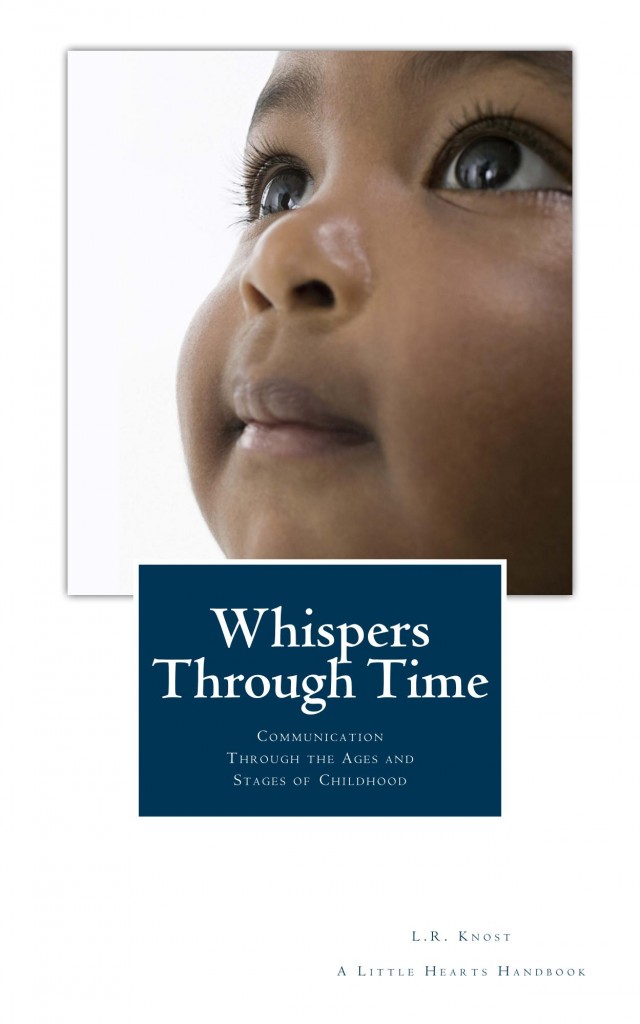
Sweet, Funny, Insightful: Whispers Through Time by L.R. Knost is destined to be a dog-eared favorite, passed down from generation to generation. As long as there are children being born into this world and toddlers having tantrums and teens racing toward adulthood at an alarming pace, there will be parents who will turn to this book for guidance. Why? Not because L.R. Knost has all the answers, but because she shows parents how to find their own answers for their own children and their own families. This guidebook challenges conventional thinking with a wisdom born of experience and a healthy dose of research to back it up. Written with the same unique blend of sweetness and humor, grit and honesty, reassurance and insight that made her first book, Two Thousand Kisses a Day, a best-seller, Whispers Through Time is sure to become a runaway hit in its own right. An absolute must-have for any home library. Highly recommended!
Dr. Laura Markham of AhaParenting Audio interview with the author
The Natural Parent Magazine Book trailer and summary
Kidlutions: Solutions for Kids Book review and contest
Parenting Beyond Punishment Book review and giveaway
The Path Less Taken Book review
Mommy Perks Book trailer and review
The Hippie Housewife Book review and giveaway
Diary of a Natural Mom Book review and giveaway
The Mahogany Way Book review and giveaway
Parenting with Understanding Book review and giveaway
Dr. Lynne Kenney: The Family Coach Book Trailer and review
Nurture Parenting Magazine Book trailer and giveaway
Table of Contents:
Chapter 1 ‘Communication: Whispers Through Time’ explores the importance of communication and connection in parent/child relationships.
Chapter 2 ‘Baby Talk’ celebrates those first moments and days and weeks of communication between newborns and parents.
Chapter 3 ‘Becoming Mommy’ shares the beauty of embracing parenthood.
Chapter 4 ‘Baby Signing: A Gentle Introduction to Communication’ introduces the concept of using baby signs to communicate.
Chapter 5 ‘The Power of Perception’ explores the connection between a parent’s perception of their child’s motives and the parent’s response.
Chapter 6 ‘Eleven Tips to Beat the Mama Blues’ shares eleven ways to work through those sometimes hard, sometimes humdrum days of parenthood.
Chapter 7 ‘The Taming of the Tantrum: A Toddler’s Perspective’ explores life from the perspective of a toddler and offers guidance on how to use communication to reduce or eliminate tantrums.
Chapter 8 ‘The NO Zone’ shares ideas for how to respond when a toddler discovers how to use the word, “NO!”
Chapter 9 ‘The Secret of the Whisper’ offers a unique response to little people’s sometimes big emotions.
Chapter 10 ‘Ten Ways to Play When Play is the Last Thing on your Mind’ shares ten ideas for weaving play into an ordinary day
Chapter 11 ‘A Listening Heart’ breaks down the concept of listening and offers ideas for how to pinpoint the issue if listening is a problem.
Chapter 12 ‘A Child’s Heart’ shares a glimpse of the power of communication and connection.
Chapter 13 ‘Why Whining is a Win’ offers a unique perspective on that age-old annoying behavior…whining.
Chapter 14 ‘Can We Talk?’ explores adults’ use of figurative language and the confusion that can result for children.
Chapter 15 ‘Age of Reason: Why, oh Why, Do They Always Ask Why?’ examines why the why stage is so important.
Chapter 16 ‘Five Gentle Tools for Handling Lying’ shares a practical and gentle approach to lying.
Chapter 17 ‘Rethinking Tattling’ explores the importance of listening to tattling.
Chapter 18 ‘The Artist in the Child’ celebrates the differences in children through the unique perspective of the artist.
Chapter 19 ‘Whisper Words of Wisdom’ examines the unseen wounds that thoughtless words can inflict.
Chapter 20 ‘Love Means Sometimes Having to Say You’re Sorry’ shares the importance of making things right when you’ve done something wrong.
Chapter 21 ‘The sWord and the sTone’ covers the importance of living what you want your child to learn.
Chapter 22 ‘Chatterboxes and Dreamers: Is Your Child an Introvert or an Extrovert?’ discusses the different parenting approaches to different personalities.
Chapter 23 ‘I is for `I dunno’ and That’s Good Enough for Me’ shares some insights into the mysteries of the adolescent mind.
Chapter 24 ‘Backtalk is Communication: LISTEN!’ tackles the startling truth that when children talk back they are actually communicating.
Chapter 25 ‘My Huckleberry Friend’ shares the reasons that a parent should not only be their child’s friend, they should be their best friend.
Chapter 26 ‘Whispering Winds of Change’ explores the process of letting them go while still holding them close.
Chapter 27 ‘Messages in a Bottle: Our Hope for the Future’ shares thirty-two messages to write on the hearts and minds of your children before sending them out into the world.
Appendix A ‘Tips for Talking to Teens’
Appendix B ’12 Steps to Gentle Parenting’
Sample chapters:
Backtalk is Communication…LISTEN
The Taming of the Tantrum: A Toddler’s Perspective
10 Ways to Play when Play is the Last Thing on Your Mind
If you’d like to know more about Two Thousand Kisses a Day: Gentle Parenting Through the Ages and Stages or Whispers Through Time: Communication Through the Ages and Stages of Childhood, click the links to read more editorial and reader reviews.
Note: For those outside the US who would like to purchase books by L.R.Knost without Amazon’s high international shipping costs, a limited supply is available directly from the author here.
Award-winnning author, L.R.Knost, is the founder and director of the children's rights advocacy and family consulting group, Little Hearts/Gentle Parenting Resources, and Editor-in-Chief of Holistic Parenting Magazine. Books by L.R.Knost include Whispers Through Time: Communication Through the Ages and Stages of Childhood ; Two Thousand Kisses a Day: Gentle Parenting Through the Ages and Stages ; The Gentle Parent: Positive, Practical, Effective Discipline ; and Jesus, the Gentle Parent: Gentle Christian Parenting the first four books in the Little Hearts Handbook gentle parenting series, and children’s picture books Petey’s Listening Ears and the soon-to-be-released Grumpykins series.
12 Tips for Gently Parenting Your Adult Children (Hint: It starts when they’re newborns)
[Portions reprinted from Two Thousand Kisses a Day: Gentle Parenting Through the Ages and Stages by L.R.Knost. Whispers Through Time: Communication Through the Ages and Stages of Childhood; The Gentle Parent: Positive, Practical, Effective Discipline; and Jesus, the Gentle Parent: Gentle Christian Parenting also available on Amazon and through other major retailers.]
~~~~~~~~~~~~~~~~~~~~~
“Life is a succession of lessons which must be lived to be understood.” ~Ralph Waldo Emerson
 All stages of parenting come with their own unique learning curve, their own challenges and frustrations, their own compromises and sacrifices, and their own flubs, false steps, and failures. From those first terror-stricken days with a newborn to the sleep-deprived months of infancy to the challenges of toddlerhood and beyond, parenting is a journey, not a destination. And when subsequent little ones arrive, the journey starts all over again as we discover that the lessons learned from parenting one child don’t always apply to the next as each have their own incomparable personalities, quirks, and individual identities.
The principles of gentle parenting (connection, empathy, respect, etc.) don’t change as our children grow, just as they don’t change from one child to the next. What does change is our understanding of those principles as we grow in wisdom and experience as parents and as human beings. The practical application of gentle parenting principles, though, can look very different from child to child and life stage to life stage. For instance, with an introverted child gentle parenting might involve a greater degree of physical proximity and emotional support whereas with a very extroverted child it may involve a greater degree of energy direction and respectful guidance.
This constancy of principles and individualized application of gentle parenting is no less true when parenting our adult children than it is when parenting our minor children. As gentle parents, we are our children’s first and best friend in the purest and truest definition of friendship. That sets the stage for the transition from the early parent/friend years to the parent-friendship that will characterize our relationship when our children grow into adulthood.
Here are 12 practical tips for gently parenting your adult children:
1.) Begin to consciously pay attention to your own parents’ interactions with you. Mentally catalog what you find helpful and what you find intrusive, what is an acceptable level of involvement, advice, and interaction and what feels overbearing or lacking. Make a mental note (or make actual notes if you’re a list person like me) to remember those feelings when your own children become adults.
2.) Remember, parenting is literally ‘on the job’ learning. Your parents are discovering by trial and error (often lots of error) what their roles and boundaries are in this uncharted territory of parenting adults. Model giving your parents grace when they overstep or underplay their roles. This will set the stage for your children to extend the same grace to you when seemingly overnight you suddenly find yourself learning to parent your own adult children.
3.) While your child is an infant, meet their needs swiftly, consistently, and gently. They won’t remember what you did or didn’t do at this stage, but they will always carry with them the safety, security, and love that they feel in your responsiveness, and that is they will take with them into adulthood.
4.) When your child reaches toddlerhood, focus on connection rather than correction. What will matter most in later years won’t be whether they wore matching shoes or left the park without pitching a fit. What will matter is whether they felt heard, understood, and respected.
5.) As your child moves into the preschool and early childhood years, focus on communication, whether that takes the form of whining, tattling, endless questions or some combination of all three. Continue to build a trust relationship by hearing their heart rather than their tone and responding with gentle guidance.
6.) When your child reaches the middle stages of childhood, listening to the endless stories from your chatterbox or offering empathy and quiet support to your dreamer will help them as they explore who they are and who they want to be when they grow up. You are building the friendship of a lifetime in these interactions, so make them a priority.
7.) Once your child enters the teen years, consciously begin to gradually shift your role into a supporting rather than a leading act. Listen not to their words, their attitudes, their hormones, their angst. Listen instead to their struggles, their hopes, their dreams, their fears. Remember, you are the only adult in the relationship at this point. They still have a lot of maturing to do. Practice self-control. Be honest about your own struggles, fears, and failings. You’ll be amazed at what a connection point that is as your teen discovers that they aren’t alone in their humanness. Be the first one to listen, the first one to forgive, the first one to apologize, the first one to understand, the first one to back down and try to find another way when the going gets tough.
8.) When your child becomes an adult, let them set the pace. Some children will hit eighteen and be ready to move into a university dorm or get a job and an apartment right away. Others will need a slower transition. They may need to stay at home while going to university or while taking some time to try out different jobs as they explore this strange new world of adulthood. There’s nothing wrong with adult children living at home, especially in difficult economic times such as these, but if the time comes that you feel they need a gentle nudge out of the nest you can help them to find an acceptable roommate or two and guide them through the process of settling into independent adulthood.
9.) Once your child is out on their own, your role will shift fully to a support system. Offering unsolicited advice is fine as long as it is briefly stated…once. After that, it becomes intrusive. Offers of help and invitations to family events, etc. should follow the same guidelines.
10.) When your child starts a family of their own, consciously bring to mind how you felt at various times when your own parents supported you in your new role and/or interfered with the establishment of your new little family. Acknowledge to yourself (and to them) that they won’t do everything the way you did, that they will make decisions you wouldn’t make, that you will offer advice that won’t be heeded, and that they will make mistakes and have to learn from them just like you did, and remind yourself that those things are all perfectly okay.
11.) On the subject of making mistakes, remember, just as you wouldn’t want every youthful mistake, every wrong choice, every unfortunate decision to be broadcast to the world or even just joked about privately instead of being left in the past where it belongs, be sure to practice ‘The Golden Rule of Parenting’ and treat your children how you prefer to be treated.
12.) Keep in mind that the person you are now isn’t the person you were when you first started out on your journey into adulthood. Expecting your young adult children to think and experience and process life and events the way that you do now is like expecting a newborn baby to be able to pick up a book and read it. So set aside your expectations and just offer your support as they learn to navigate the world of adulthood on their own.
Remember, our life experience can help our adult children, but they need to gain their own life experiences. Our role as parents of adults is to find the balance between too much and too little of pretty much everything: advice, help, assistance, involvement, etc. The voice of experience has an immense amount of wisdom to offer, but only if it also has the wisdom to know when to remain silent.
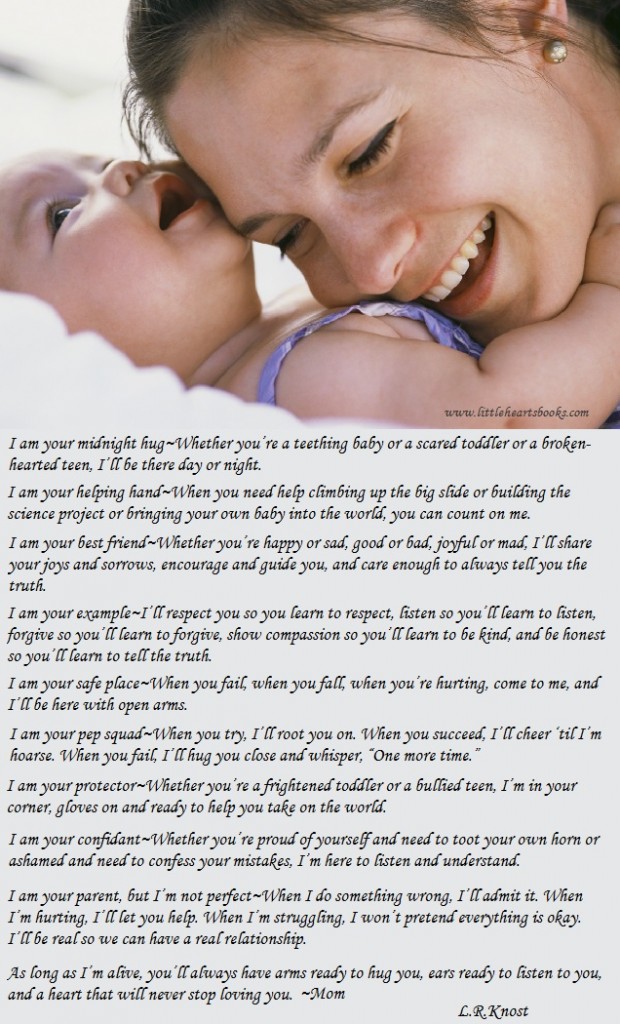
Related posts:
Backtalk is Communication…LISTEN
The Gift of a Strong-Willed Child
Bridge Over Troubled Waters~Parenting a ‘Problem’ Child
Two Thousand Connection Points a Day: Attachment Parenting Beyond Infancy
A Boy, A Girl, and A Baby~Journey to Gentle Parenting
Award-winnning author, L.R.Knost, is the founder and director of the children's rights advocacy and family consulting group, Little Hearts/Gentle Parenting Resources, and Editor-in-Chief of Holistic Parenting Magazine. Books by L.R.Knost include Whispers Through Time: Communication Through the Ages and Stages of Childhood ; Two Thousand Kisses a Day: Gentle Parenting Through the Ages and Stages ; The Gentle Parent: Positive, Practical, Effective Discipline ; and Jesus, the Gentle Parent: Gentle Christian Parenting the first four books in the Little Hearts Handbook gentle parenting series, and children’s picture books Petey’s Listening Ears and the soon-to-be-released Grumpykins series.
Bringing Up Binary: Raising an Obedient Computer
Dear Customer Service,
I think my computer needs professional help. I just don’t know what to do anymore. It won’t respond to me half of the time, and the other half its response is so slow it might as well not respond at all! I need help, and I don’t know where else to turn. Here’s the story:
 I remember how excited I was when I first got my computer. I carefully cut the tape on the box, gently lifted it out, and gingerly settled it in the well-appointed and super organized office I’d had decorated and waiting for what seemed like forever.
Now what to do? I’d never owned a computer before and was so nervous I’d somehow break it. I searched through manuals and how-to’s for dummies, looking for tips from experts and guidance from other computer owners with years of experience. It was so frustrating because everyone seemed to have a different opinion about what to expect and what was important and how to handle all the hardware and software issues that were bound to crop up with computer ownership.
Over time, though, I got more comfortable in my new role as a computer owner. My tentative key tapping became more confident, and I operated my computer like a pro. But then minor irritations began to creep up. I’d input a command and have to wait for my computer to process before it responded, but why should I have to wait? I’d issued the same commands hundreds of times since my computer had arrived. Shouldn’t it obey instantly? I certainly thought so! So, I’d push the enter button a couple more times, and then a couple more, then some other buttons, and the darn thing would freeze up on me!!! Seriously?!?
I’m no push-over, believe me, and I wasn’t about to be manipulated by my own computer! So, I started unplugging it every time it froze. After a few minutes, I’d plug it back in again, but even after extending its time-out of the outlet to longer and longer periods, my computer was still giving me that ring of delayed obedience and then freezing when I pushed its buttons. So, I started giving it a gentle whack on its CPU. (No, I was not abusing it. I was just giving it a little tap to get its attention!) But nothing seemed to be working. I was still having to wait for it to process my commands, and it was actually getting worse!
Then my computer started popping up demands, right in front of what I was working on! “Updates needed.” “Virus software update available.” Me, me, me. I want. I want. I want. Isn’t it amazing how completely self-absorbed computers are? Didn’t my computer realize I had a schedule to keep? I had things that needed to get done, an agenda, a life! And on top of all that, I’d just purchased a new little laptop that needed my attention. Why couldn’t my computer understand that it just had to do what it was told and stop giving me a hard time?!? Selfish, that’s why!
Well, time went on and my computer kept up it’s delayed obedience and just kept escalating its constant demands with pop up after pop up after pop up. But I knew better than to give in. All it wanted was attention! So I alternated between time-out of the outlet and well-deserved whacks to the CPU, but all I got was slower and slower obedience, longer and longer freezes, and just general unresponsiveness.
I’ve tried to be a good computer owner, but I’m at the end of my tether. Please help!
Sincerely,
Frustrated
Dear Frustrated,
Computers are designed to process input. Basically, that means you get out what you put in. That “demand for attention” is actually your computer communicating a need for input from you, whether it’s for an update  or a virus scan or whatever it’s indicating it needs. If you meet it’s needs, that will not only stop the “demands” but also free it up to run more smoothly and responsively for you. As far as the “delayed obedience,” that’s just how computers are built. It needs time to process your input so that it can respond appropriately. Pushing its buttons over and over is actually causing the freezing you’re concerned about, and unplugging your computer when it freezes just shuts it down right when it’s trying its hardest to work things out. Remember, interaction between owner and computer is the core of computer processing. Finally, stop “whacking” your computer. Call it what you want…hitting, tapping, popping, or whatever…it’s just causing internal damage and resulting in the very problems you’re trying to solve.
Sincerely,
Shak N. Mihed
Related posts:
The Measure of Success~Chinese Parents and French Parents Can’t BOTH Be Superior!
Spare the Rod: The Heart of the Matter
Tots to Teens~Communication Through the Ages and Stages
Toddlers, Tantrums, and Time-Ins, Oh My!
Award-winnning author, L.R.Knost, is the founder and director of the children's rights advocacy and family consulting group, Little Hearts/Gentle Parenting Resources, and Editor-in-Chief of Holistic Parenting Magazine. Books by L.R.Knost include Whispers Through Time: Communication Through the Ages and Stages of Childhood ; Two Thousand Kisses a Day: Gentle Parenting Through the Ages and Stages ; The Gentle Parent: Positive, Practical, Effective Discipline ; and Jesus, the Gentle Parent: Gentle Christian Parenting the first four books in the Little Hearts Handbook gentle parenting series, and children’s picture books Petey’s Listening Ears and the soon-to-be-released Grumpykins series.
Picky Eater? Here’s Help!
[Reprinted from Two Thousand Kisses a Day: Gentle Parenting Through the Ages and Stages by L.R.Knost. Whispers Through Time: Communication Through the Ages and Stages of Childhood and The Gentle Parent: Positive, Practical, Effective Discipline also now available on Amazon and through other major retailers.]
~~~~~~~~~~~~~~~~~~~~~
 I was one of those children who was incredibly picky when it came to food and, despite my mom’s gently enforced ‘one bite rule,’ I went on to become an incredibly picky eater as an adult, as well. I vividly remember as a young child gagging as I tried to force down a bite, my throat feeling like it was closing up, and like there was no way food was going to fit through there. As a very compliant child, it bothered me immensely to disappoint my mom, and, being the logical person that I was even at that young age, I remember feeling that her expectations were very reasonable and being frustrated at my own inability to comply.
Fast forward a few years to when I began having children of my own and needed to make parenting decisions about everything from breastfeeding to cosleeping to discipline. On my journey to gentle parenting I revisited my childhood memories often, finding myself appreciating my mom’s gentleness and her way of using silliness to help me see the ‘silver lining’ in life when things were hard. In some things, I chose to follow the parenting path my mom took, and in others I took a different course and blazed my own trail.
When I was at university, I worked as a certified nutrition consultant with a focus on natural approaches to nutrition, health, and fitness. I took that knowledge, along with my studies in developmental psychology, human behavior, and communication, and incorporated all of it into my parenting decisions.
As I muddled through the toddler years with my firstborn, I decided to take an approach to nutrition that was unheard of, as far as I knew. I would offer to nurse, offer the food on my plate, and offer food I’d made specifically for him, and then let my little man decide. That was the beginning of our baby led weaning, though I didn’t know that term at the time.
What I discovered then and have seen proven time and again through the years with my own six very different children as well as with the families I’ve worked with is that, given the freedom to choose, children will generally experiment with more textures and tastes than if they are forced to eat their parents’ choice of food for them. It’s simply human nature that, if a child (or an adult, for that matter!) knows that they don’t have to try a new food and that they can run to the trashbin and spit it out if they do try it and don’t like it, then they are far, far more likely to give it a chance. And if they don’t try it the first time it’s offered, or if they do try it and don’t like it, making it available again off and on in the future will give them more opportunities to try the food and perhaps end up liking it when their tastes mature a bit more.
In our home, my children know that if they don’t like what’s being served for a meal there is always an alternative in the form of a PB&J or a reheat later if they just aren’t hungry at mealtime, though if we’re sitting down together I do expect them to sit with the family and chat with us while we eat. Even if they like the food being served, they may not feel hungry for a heavy meal just then or perhaps the last time they ate that meal their tummy got upset or maybe there are other reasons they don’t want the meal that they simply can’t articulate. As the adult, I can choose to make an issue out of it and end up in an unnecessary power struggle, or I can choose to offer my children the same respect I offer myself, because you can bet your bottom dollar that if I don’t want to eat something, I’m not eating it!
Among the many benefits of this approach, beyond the greater propensity for a child to experiment with tastes and textures and beyond the elimination of mealtime battles, I also saved myself a ton of mommy guilt through the years. I had no way of knowing early on that my renaissance girl had Sensory Processing Disorder which was strongly affecting her ability to eat or that my little caboose was missing an enzyme and couldn’t eat meat. Had I spent their toddler years forcing foods on them and engaging in coercive or punitive mealtime parenting, the damage to our relationship, not to mention their health, could have been disastrous. Additionally, children who feel powerless over their lives can begin trying to recapture a sense of power by exercising excessive control over their eating with the danger of a resulting eating disorder when they get into their teen years.
So, on a practical level how do you get a toddler or preschooler to eat? Well, first and foremost, rigidly scheduling mealtimes creates a battleground in and of itself. Toddlers’ and preschoolers’ ever-shifting growth patterns cause them to go through slow-growth periods where they simply aren’t hungry and other periods where they’re hungry 24/7! Grazing, or eating multiple small meals and snacks throughout the day, not only fits these growth patterns better, but is actually a much healthier way for all of us to eat because it stabilizes blood sugar which, when low, leads to overeating as does simply eating because ‘it’s time.’ Teaching our little ones to listen to their bodies’ hunger cues is a hugely positive step toward avoiding obesity later in life, as well!
Secondly, a combination of keeping little ones active so they work up a good appetite (which also sets them on the path toward an active physical lifestyle!) and offering a variety of healthy foods throughout the day will typically be all it takes to meet their nutrition requirements. As a general guideline, toddlers and preschoolers need:
- Two to three servings of dairy (i.e. 1 oz. cheese, ½ cup milk, ½ cup yogurt);
- Four to six servings of grains (i.e. ½ slice bread, ½ cup non-sugared cereal, ¼ cup pasta, 2 crackers);
- Two servings of protein (i.e. two 1” squares of chicken, fish, or beef);
- Two to three servings of veggies (i.e. 2 tbs peas, corn, cauliflower, etc);
- And two to three servings of fruit (i.e. ½ banana, apple, orange, etc., ¼ cup raisins, blueberries, raspberries, 3-4 strawberries or grapes, etc)
Here are some fun ways to invite your little ones to make healthy eating choices:
~Breakfast ideas~

- Need an easy and healthy breakfast for little ones? Try an ice cream cone filled with almonds & bite sized chunks of fruit & cheese!
- Start little people’s day healthy & happy. Make a smiley face clock on their plate with almonds, cheese & fruit with yogurt to dip them in!
- Try making ‘apple cookies’ (apples sliced into round discs) into faces with almonds, raisins & cheese!
- Sundae breakfast! Yogurt sprinkled with granola & raisins & nuts & drizzled with local honey (helps control seasonal allergies, too), yummy! *Note: Never feed honey to a baby under a year old.

- Here comes the sun! Make frozen pancakes more healthy by surrounding them with fruit & topping with berries & almonds & drizzling with local honey!
~Lunch ideas~

- Banana Boats~Slice of whole wheat bread spread with peanut butter & local honey & wrapped around a banana. Top with just a sprinkle of brown sugar for a treat!
- Double Trouble~Celery, carrot & pretzel sticks with a scoop of cottage cheese & a scoop of peanut butter for double dipping!
- Picasso PB&J’s~Round whole wheat flat bread with small dollops of peanut butter, fruit preserves & yogurt around the edge in a colorful palate with pretzel sticks for paint brushes!
~Dinner ideas~
- Boil some cauliflower, carrots, zucchini & yellow squash until a bit mushy & puree.
1) Mix with your favorite meatloaf recipe for a hidden veggie serving!
2) Mix with spaghetti sauce & freeze in single serving containers.

- Spaghetti Twisters~Make rotini noodles instead of spaghetti noodles for a cute ‘twist’ and add your special spaghetti sauce for a tornado of veggie goodness!
- Pizza Racers~Use rectangular flatbread & lightly coat with olive oil and broil for a couple of minutes to crisp it up, then add your souped-up spaghetti sauce & let your little ones top with mozzarella ‘racing stripes’ & pepperoni ‘racing tires’ for a super-charged dinner!

- Pureed cauliflower also works great mixed with mac & cheese, stuffing, and mashed potatoes for a hidden veggie to round out any meal!
Related posts:
Toddlers, Tantrums, and Time-Ins, Oh My!
Practical Gentle Discipline Guide
Tots to Teens~Communication Through the Ages and Stages
A Place to Rest~Becoming Your Child’s Safe Harbor
Love in the Time of Cosleeping
Your Baby isn’t Trying to Annoy You; He’s Trying to Communicate!
Award-winnning author, L.R.Knost, is the founder and director of the children's rights advocacy and family consulting group, Little Hearts/Gentle Parenting Resources, and Editor-in-Chief of Holistic Parenting Magazine. Books by L.R.Knost include Whispers Through Time: Communication Through the Ages and Stages of Childhood ; Two Thousand Kisses a Day: Gentle Parenting Through the Ages and Stages ; The Gentle Parent: Positive, Practical, Effective Discipline ; and Jesus, the Gentle Parent: Gentle Christian Parenting the first four books in the Little Hearts Handbook gentle parenting series, and children’s picture books Petey’s Listening Ears and the soon-to-be-released Grumpykins series.
The Trouble With Kids Today
[Portions reprinted from Two Thousand Kisses a Day: Gentle Parenting Through the Ages and Stages by L.R.Knost available on Amazon]
 “People are telling parents like me that we are failing our children because we practice controlled discipline in our homes. I say: the children that are raised without it are the ones being abused and robbed of the chance of success in adulthood.” Controlled discipline in the eyes of this author of I Don’t Like Spanking My Kids, But I Do It Anyway is physical punishment. Equating discipline with punishment is a common misconception, but she is, unfortunately, not alone in her stance.
Many of today’s most popular self-proclaimed parenting ‘experts’ also equate physical punishment with discipline and go to great lengths to describe the best methods and tools for hitting children along with instructing parents to maintain a calm, controlled, and even cheerful demeanor as they ‘lovingly’ hit their children.
It is interesting to note here that, when it comes to the law, crimes of passion are treated as less heinous than premeditated, planned, and purposefully executed crimes which are termed ‘in cold blood.’ And yet when physically punishing a child, a crime in many places across the globe, hitting in anger or frustration (i.e. passion) is deemed wrong by proponents of spanking, while hitting children with calm and deliberate intent (i.e. premeditation) is encouraged.
It is also interesting to note that, in the not-too-distant past, husbands hitting their wives was also viewed as not only a societal norm, but a necessary part of maintaining a harmonious, successful marriage. In fact, a man who epitomizes the words calm and controlled, Sean Connery, shared his thoughts on the ‘reasonable smacking’ of his wife in a 1987 interview with Barbara Walters:
The core belief behind ‘reasonable smacking’ of wives was that there was no other effective way to control them. I have to agree. If controlling another human being is the goal, then force is necessary. Fear, intimidation, threats, power-plays, physical pain, those are the means of control.
But if growing healthy humans is the goal, then building trust relationships, encouraging, guiding, leading, teaching, communicating, those are the tools for success.
Many parents simply don’t know what else to do. They were raised with spanking as a means of control and “turned out okay” so they default to their own parents’ parenting choices without researching alternatives to spanking or considering whether “okay” could be improved upon.
As to the I Don’t Like Spanking My Kids, But I Do It Anyway author’s contention that “We are raising a generation of children who are over-sensitive because they eventually find out that they aren’t as good at baseball or ballet as some other kid and their parents promised them that everyone is equal. They feel entitled because we teach them that they should. They throw tantrums when life doesn’t go their way because their parents have tiptoed around them to make sure that it does,” that reasoning sounds strangely familiar.
People throughout history have complained about ‘the trouble with kids these days.’ They’ve pinned all the ills of their society on permissive parenting. They’ve ranted about out-of-control children, disrespectful youth, entitlement, spoiling, disobedience, violence, self-centeredness, etc:
“The children now love luxury. They have bad manners, contempt for authority, they show disrespect to their elders…. They no longer rise when elders enter the room. They contradict their parents, chatter before company, gobble up dainties at the table, cross their legs, and are tyrants over their teachers.”
~Socrates, 5th Century BC“What is happening to our young people? They disrespect their elders, they disobey their parents. They ignore the law. They riot in the streets inflamed with wild notions.
Their morals are decaying. What is to become of them?”
~Plato, 5th Century BC“I see no hope for the future of our people if they are dependent on frivolous youth of today, for certainly all youth are reckless beyond words… When I was young, we were taught to be discreet and
respectful of elders, but the present youth are exceedingly wise [disrespectful] and impatient of restraint”
~Hesiod, 8th Century BC“The world is passing through troublous times. The young people of today think of nothing but themselves. They have no reverence for parents or old age. They are impatient of all restraint. They talk as if they knew everything, and what passes for wisdom with us is foolishness with them. As for the girls, they are forward, immodest and unladylike in speech, behavior and dress.”
~Peter the Hermit, 13th Century ADMy grandpa notes the world’s worn cogs
And says we’re going to the dogs.
His grandpa in his house of logs
Said things were going to the dogs.
His grandpa in the Flemish bogs
Said things were going to the dogs.
His grandpa in his hairy togs
Said things were going to the dogs.
But this is what I wish to state:
The dogs have had an awful wait.
~Unknown, circa 1936Small children disturb your sleep, big children your life.
~Yiddish Proverb
Perhaps, just perhaps, there isn’t any ‘trouble with kids today.’ Maybe the trouble is with societies who view normal stages of development as somehow abnormal. Maybe the problem is with parents who repeat the patterns their own parents set and don’t delve into the belief system they are now passing along to their children. Or maybe the problem is simply the rose-colored glasses older generations tend to have about their own youth when they share idealized versions of ‘the good old days.’
Could it be that ‘kid’s today’ are just kids like they have been through the ages, full of exuberance and curiosity and learning their way in a great big world? Could it be that a listening ear, gentle guidance, and trusted arms to turn to when inevitable mistakes are made are really all children need to grow up into kind, helpful, responsible, productive members of our society?
Consider this, “Since more than 90% of American parents admit to spanking their children, it’s hard to accept that a decline in spanking is responsible for the purportedly escalating rates of youth violence and crime. Could it be that the 90% of children who are subject to violence at home in the form of being slapped, paddled, smacked, yanked, whipped, popped, spanked, etc. are taking those lessons out into the world? Is it just possible that children who are hit learn to hit? That children who are hurt learn to hurt? Perhaps the lesson they are learning is that ‘might is right’ and violence is the answer to their problems, the outlet for their stress, the route to getting others to do what they want.” Better Children, Better World
Could it be that sowing peace in our homes is the answer after all?
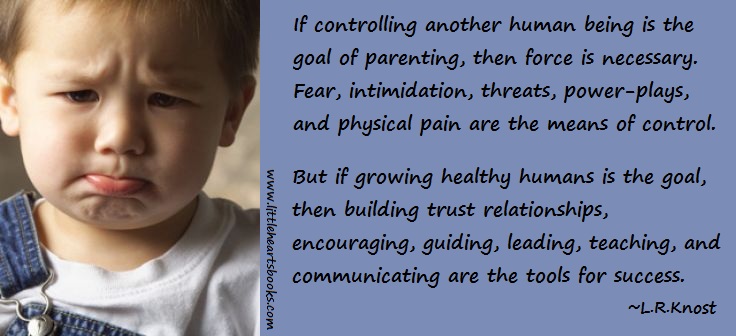
Related posts:
Practical, Gentle, Effective Discipline
Spare the Rod: The Heart of the Matter
Tots to Teens~Communication Through the Ages and Stages
Testing the Boundaries~What’s A Parent To Do?
One Slippery Sock & Other Silly Tools for your Parenting Toolbox!
The Measure of Success~Chinese Parents and French Parents Can’t BOTH Be Superior!
Award-winnning author, L.R.Knost, is the founder and director of the children's rights advocacy and family consulting group, Little Hearts/Gentle Parenting Resources, and Editor-in-Chief of Holistic Parenting Magazine. Books by L.R.Knost include Whispers Through Time: Communication Through the Ages and Stages of Childhood ; Two Thousand Kisses a Day: Gentle Parenting Through the Ages and Stages ; The Gentle Parent: Positive, Practical, Effective Discipline ; and Jesus, the Gentle Parent: Gentle Christian Parenting the first four books in the Little Hearts Handbook gentle parenting series, and children’s picture books Petey’s Listening Ears and the soon-to-be-released Grumpykins series.
A Mile In Their Shoes
Before you judge someone, walk a mile in their shoes. ~Unknown
My mother always taught me to think about things from other people’s perspective before reacting to them, a life lesson that has translated into the empathetic, gentle style of parenting I teach, write about, and follow with my own children. Discerning what other people feel isn’t always easy, of course, and our own experiences, attitudes, and emotions can get in the way. But seeking to not just understand, but to really feel what another person feels is vital to true communication and connection. To that end, I try to always ask myself, whether interacting with my children, my husband, or any other person who crosses my path, “How would I feel if…”
So come, take a walk with me~
 How would I feel if I was suddenly thrust from my safe, familiar world into a startlingly new and uncomfortable world where I couldn’t function on my own, where my very survival depended entirely on beings who I didn’t know, didn’t understand, and who didn’t understand me? Would I learn to feel safe in this new world if they left me for hours on end in dark places with no way to communicate, no way to meet my own needs? Or would I learn to trust these new beings if my needs were met day and night, if they were always available, always responsive, always gentle?
 How would I feel if I was a small person in a big world, a world where large beings were constantly jabbering at me in a language I barely understood, a world where everything was a challenge, from climbing out of a chair to learning to control my bodily functions, a world where every day, all day long, I was confronted with new things to taste, new things to explore, new things to discover. If I tried to communicate and no one slowed down to listen, would I learn to listen? If I got overwhelmed by all the new challenges and was punished, would I learn how to cope with my emotions? If I was snatched away from my explorations with no warning, no explanation, would I learn to respect other people’s spaces and paces? Or would I learn to listen if I was heard, cope if I was helped, and respect if I was respected?
 How would I feel if I was an adult-sized person, my body flooded with a consistently inconsistent rush of mind-altering hormones, in a world of adults who demanded adult maturity from me, but treated me like a child? Would I learn to cope with the huge life changes taking place if my awkwardness incited conflict instead of compassion? Would I be willing to share my struggles if my still-growing communication skills were taken at face value instead of my heart being heard? Would I desire to make good choices if the most important people in my life didn’t trust me enough to let me make them? Or would I learn confidence by being understood, trust by being truly heard, responsibility by being trusted to be responsible?
 How would I feel if I was a new parent, struggling with exhaustion, overwhelmed by newness, desperate to make the right decisions for my precious new baby, but was surrounded by conflicting advice and head-shakers and nay-sayers? Would I learn to trust my instincts if every choice I made was the subject of commentary and unsolicited advice? Would I grow into my new role if I was pushed and shamed and coerced into following other people’s parenting choices? Would I learn to share my fears and concerns if they were met with negativity, ridicule, and debate? Or would I find my own path in the world of parenting if I was allowed to listen to my heart? Would I discover my parenting niche if I was trusted to make my own choices? Would I be open to new ideas and find support if my struggles were met with reassurance and compassion and acceptance?
 How would I feel if I was a strong, wise, gifted person in a body that was beginning to fail me with age? Would I feel valued if others only saw my frailty and not my strength? Would I offer wisdom if my life experiences were ridiculed? Would I share my gifts if no one bothered to slow down and recognize them? Or would I still feel I had life to live, something to give if my stories were heard, if my wisdom was received, if someone, anyone, took the time to sit with me and talk for awhile.
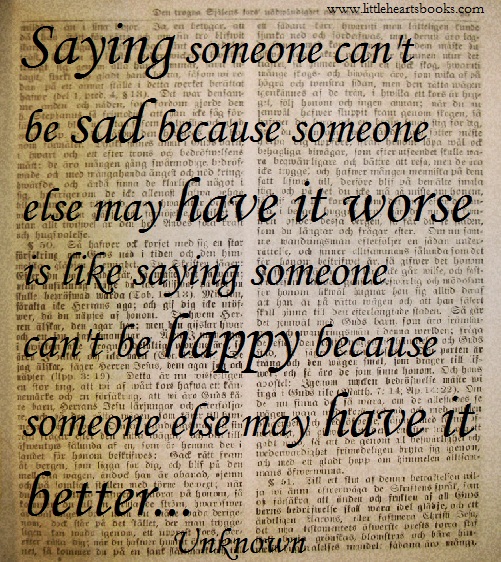 Related posts:
The Seven Wonders of the World of Childhood
Playground Confessions~Look Who’s Talking!
The Measure of Success~Chinese Parents and French Parents Can’t BOTH Be Superior!
Award-winnning author, L.R.Knost, is the founder and director of the children's rights advocacy and family consulting group, Little Hearts/Gentle Parenting Resources, and Editor-in-Chief of Holistic Parenting Magazine. Books by L.R.Knost include Whispers Through Time: Communication Through the Ages and Stages of Childhood ; Two Thousand Kisses a Day: Gentle Parenting Through the Ages and Stages ; The Gentle Parent: Positive, Practical, Effective Discipline ; and Jesus, the Gentle Parent: Gentle Christian Parenting the first four books in the Little Hearts Handbook gentle parenting series, and children’s picture books Petey’s Listening Ears and the soon-to-be-released Grumpykins series.
Raising Super Readers~The MARVELous Power of Comic Books!
 Captain America made his comic book debut on this day in 1941. He embodied the American Dream, a nobody who became a somebody, an everyday, struggling, working class American who became a hero.
For Captain America, the dream became a reality because of a diabolical villain trying to take over the world and a risky scientific experiment to create a hero who could stop him. (Seriously, though, who would really let strangers stick them in a radiation chamber and inject green slime into their body?!?)
For children who feel like nobodies, though, who struggle everyday, who have to work harder in class than their peers, Captain America might just be the key to unlocking the power to read.
Children like My Renaissance Girl who struggle with severe dyslexia and/or other learning disabilities as well as children who don’t have learning disabilities but are reluctant readers [ImaginationSoup.net] often rely heavily upon illustrations to help them keep track of the storyline. This provides them with the motivation to continue to read, which in turn increases their ability to read, thus increasing their motivation to read…success leading to success…a virtuous circle!
However a problem arises because, while high quality, beautifully illustrated children’s picture books abound, books appropriate for and of interest to older children often are either sparsely illustrated or not illustrated at all.
Enter the comic book!
Comic books, now generally known as graphic novels, have increasingly been finding their way into classrooms and school libraries as teachers search for tools to not only help their students learn how to read, but to tap into the vivid imagination that is the hallmark of childhood and turn their students onto a lifelong love of reading.
The Graphic Classroom founder, Chris Wilson, has made it his mission to seek out excellent graphic novels covering a wide range of subjects and styles and get them into the public education system here in the U.S.
From Da Vinci: The Renaissance Man to The Action Bible, the graphic novel industry has come a long way from the days of Archie and Jughead. The venerable Stan Lee, himself a rags to riches story on the order of his Marvel character, Captain America, is credited with a large portion of the popularity of the ever more sophisticated world of the graphic novel. His relatable characters, real-world storylines, conversational style, and stunning graphic art have contributed immeasurably to the emergence of graphic novels from the dark ages of the dime store shelves to a powerhouse industry with much to offer the literary world.
When it comes to literacy, Stan Lee brought his own superpowers into play with the formation of the Stan Lee Foundation “to do whatever I could to fight illiteracy in children. Any child who grows up illiterate, unable to read and write — or even semi-literate — can be considered handicapped. Competition throughout the world has grown so keen that every young person needs every possible advantage to even the competitive playing field. The ability to read well, to study, comprehend, and process information is absolutely vital for success as an adult.”
Utilizing graphics in teaching reading is certainly not a foreign concept. Picture books for younger children have been used for centuries to interest children in the written word. (Check out this incredibly cool Superhero ABC graphic art novel for early childhood education!) But incorporating art in the form of illustrations and graphics into curriculum for older students seems to be a relatively new and somewhat controversial concept as evidenced by the Common Core State Standards [Education Week] being adopted in all but three states so far which states “the text should be central, and surrounding materials should be included only when necessary, so as not to distract from the text itself.”
Clearly, the object of the Common Core State Standards is to focus on the mechanics of reading, in effect producing students able to read manuals and textbooks, but with no engagement of the heart, no delighting of the soul, no enrichment of the imagination. In short, the purpose seems to be to produce a generation of automatons who can pass a test on Da Vinci, but can’t think or create or imagine or invent like Da Vinci.
When you consider that “Reading correlates with almost every measurement of positive personal and social behavior surveyed, from scholarship and job success to voting and playing sports.” [BookReporter.com], it makes more sense to raise bookworms than to program robots.
Successful reading means far more than possessing the ability to read. Engaging the hearts of students moves reading success beyond a life skill and turns it into a life style. Children who love to read…READ. Adults who love to read…READ. And graphic novels are too powerful of a tool in our arsenal to be disregarded because of pride or prejudice.
~Excelsior
Related posts:
Children who love to read…READ! Engaging children’s hearts in the wonder of reading instead of just training their minds in its mechanics. Raising Bookworms
8 Reasons to Let Your Kids Read Comics. Imagination Soup
It’s time for a return to childhood, to simplicity, to running and climbing and laughing in the sunshine, to experiencing happiness instead of being trained for a lifetime of pursuing happiness…it’s time to let children be children again. A Return to Childhood
Think homeschooled children are unsocialized, over-controlled, locked-away-from-the-world misfits? Think again! My Renaissance Girl
Playground Confessions~Look Who’s Talking!
Alphabet Fun~Imagination From A to Z!
Live to Play~Play to Learn~Learn to Live!
Award-winnning author, L.R.Knost, is the founder and director of the children's rights advocacy and family consulting group, Little Hearts/Gentle Parenting Resources, and Editor-in-Chief of Holistic Parenting Magazine. Books by L.R.Knost include Whispers Through Time: Communication Through the Ages and Stages of Childhood ; Two Thousand Kisses a Day: Gentle Parenting Through the Ages and Stages ; The Gentle Parent: Positive, Practical, Effective Discipline ; and Jesus, the Gentle Parent: Gentle Christian Parenting the first four books in the Little Hearts Handbook gentle parenting series, and children’s picture books Petey’s Listening Ears and the soon-to-be-released Grumpykins series.
My Renaissance Girl
 There’s another teenager in our house! My Renaissance Girl turned thirteen this week. It’s hard to believe my little preemie who started her days in the NICU, came home at 3 lbs 13 oz on an apnea/heart monitor, has struggled with severe dyslexia, sensory and auditory processing disorders, vestibular issues, attention deficit disorder, and more, is now a poised and confident young lady who is frequently absorbed in classic literature, enthralled with the art of Masters such as Van Gogh and Degas, and who’s musical tastes run from Mozart to The Beatles.
My children are homeschooled and are quite used to interacting in a mutually respectful manner with adults in banks, doctor’s offices, libraries, etc, so it’s always a bit of a culture shock when we run into society’s negative view of adolescents as we did on Renaissance Girl’s birthday. Literally, every time we mentioned that it was her thirteenth birthday as we shopped for gifts and took her for a birthday lunch, the reaction was rolled eyes and either expressions of condolences or warnings to my husband and I. Well, except for the one waiter who leered at her until my hubs caught his eye and shut him down!
What a world we live in, seriously. Is it any wonder that teenagers seem to have anti-social tendencies when, based on chronology alone, they’re either pigeon-holed as miscreants without anyone taking the time to actually talk to them (or, more importantly, listen to them!) or immediately become the object of sexual attention?

My Renaissance Girl
For those of you willing to look beyond the number of years a person has lived on this earth and see the person themselves, let me introduce you to a young lady who has some amazing gifts to offer this world…my Renaissance Girl!
Renaissance Girl has a heart for the elderly, the poor, the hurting, for anyone who is suffering. From her earliest years she would toddle up to an elderly person sitting alone at church or the park and climb up beside them to ‘chat’ or sing them a song or show them a flower she’d picked. Her heart breaks when she hears of children being abused or neglected, and she plans to adopt as many as her future husband will agree to (and with her sweet, strong spirit, I imagine she’ll follow through on that!)
 The paintings of The Masters ignite Renaissance Girl’s imagination. For her birthday we ordered a Van Gogh’s ‘Starry Night’ inspired ice cream cake from our little town’s best kept secret…Donna C, the decorator at our local Dairy Queen!
As part of our interest-led homeschooling, we’ll be working our way through unit studies on Michelangelo, Renoir, Van Gogh, Picasso, and more with materials from here.

Source: artmuralsforkids.blogspot.com via Linda on Pinterest
Renaissance Girl has decorated her room like a small artist’s loft with a drafting desk, a custom mural of a Parisian street scene (by your’s truly!), a romantic little reading nook with twinkle lights, and a stainless steel cable (Ikea!) stretched across the wall for her to hang her art, along with an art wall waiting to be filled.




Renaissance Girl studies with Mozart filling the silence (an SPD and ADD coping technique), and then rocks out to the Beatles on her brother’s Xbox Rock Band. She picks out tunes on the piano, trying to teach herself to play by ear, and is working on teaching herself to play the guitar.
Her beautiful mind sees the world through a unique lens similar to those of historical icons such as Thomas Edison, Leonardo Da Vinci, Benjamin Franklin, and Albert Einstein. While academics have been a huge challenge for her, the artistic and musical gifts she’s been given are incredible, and her gentle, sensitive soul is a rare and precious treasure. Many years of therapy have yielded the ability to read, and she’s like a butterfly newly emerged from her cocoon. Jane Eyre, Little Women, Anne of Green Gables, all have sent her beautiful mind soaring to different times and places, and all have become intimate, lifelong friends with my sweet Renaissance Girl. (From Beautiful Minds)
From her own artistic ability to her fascination with The Masters, her beautiful voice to her eclectic taste in music, and her humorous storytelling to her love of literature, my Renaissance Girl is much, much more than ‘just’ a teenager or ‘just’ a girl or ‘just’ anything. She is an incredible gift to the world, and our family is blessed beyond measure to have her!
Think homeschooled children are unsocialized, over-controlled, locked-away-from-the-world misfits? Think again!
From goofing around in Goofy hats at Downtown Disney to playing Just Dance 3 on the Xbox Kinect, from gales of giggles pushing each other on the tire swing to gathering around to check out the awesome cello mastery of ThePianoGuys, from chowing down on mexican food at Tijuana Flats to burning waffles for breakfast, and from trying on jewelry to decorating cupcakes, these homeschooled girls are as All-American as apple pie!
Check out Renaissance Girl’s favorite YouTube version of ThePianoGuy’s dueling cellos!
Happy 13th Birthday, My Renaissance Girl!
Related posts:
Helping Unique Learners Find Their Genius
200 Ways to Bless your Children with a Happy Childhood
Playground Confessions~Look Who’s Talking!
Into the Looking Glass~Teens and Self-Esteem
Tots to Teens~Communication Through the Ages and Stages
Gentle Parenting~The Teen Years…Tips for Talking to Teens
Award-winnning author, L.R.Knost, is the founder and director of the children's rights advocacy and family consulting group, Little Hearts/Gentle Parenting Resources, and Editor-in-Chief of Holistic Parenting Magazine. Books by L.R.Knost include Whispers Through Time: Communication Through the Ages and Stages of Childhood ; Two Thousand Kisses a Day: Gentle Parenting Through the Ages and Stages ; The Gentle Parent: Positive, Practical, Effective Discipline ; and Jesus, the Gentle Parent: Gentle Christian Parenting the first four books in the Little Hearts Handbook gentle parenting series, and children’s picture books Petey’s Listening Ears and the soon-to-be-released Grumpykins series.
8 Tips for Raising Bookworms
A young girl is curled up in an old, over-stuffed armchair, totally absorbed in the pages of a book.  A television sits nearby, silent and black with jealousy. In a corner, a computer gathers dust in concert with an abandoned gaming system. No one would guess that this girl lost in the world of Regency England crafted by literary great, Jane Austen, couldn’t read at all until fifth grade and fights against the headaches and blurred vision brought on by severe dyslexia. No one would believe that this beautiful twelve year old preteen who has devoured Little Women, Jane Eyre, and is nearly finished with the entire Anne of Green Gables series was still unable to recognize all the letters of the alphabet in the third grade.
So, with all the barriers to reading this young girl faced and all the preconceived notions of the demise of the book and the rise of the electronic age, why does this child choose a book, an ink and paper relic to some, over the hypnotic allure of technology?
Simple…
Children who love to read…READ! It’s just a simple fact of human nature that we are more inclined to do the things that interest and excite us rather than the things we are forced or obligated to do. So how do we engage our children’s hearts in the wonder of reading instead of just training their minds in its mechanics?
 Think of learning to ride a bicycle.
Your dad props you up on a shiny red bicycle, gives you a few pointers and an encouraging smile, then runs alongside you with his hand securely on the back of the bike seat, steadying and supporting you as you fly down the sidewalk with the wind in your hair and a thrilled and slightly terrified grin on your face.
Or.
Your dad sits you down with a diagram of a bicycle and drills you on its parts, making you list them over and over and recite them back to him in alphabetical order.
Which teaching style would result in a bicycle rider rather than just a memorization of bicycle parts? Which scenario would encourage a love of bicycle riding?
 When it comes to reading, do you want your children to become readers or just learn the mechanics of reading? Do you want them to love to read or just know how? If a love of reading is your goal for your children, here are some ideas to get you started:
1.) Let them see you reading! Children learn more by watching what we do than by listening to what we say. Seeing your books laying around the house, trying to get your attention while you’re absorbed in an intense scene, giggling when you ‘sneak’ away to the bathroom with a favorite tome, all of these things will have a huge impact on their perception of reading as a desirable activity.
2.) Read to them from infancy on, and let them in on it! Don’t make reading a one-sided exercise with you doing all the talking. Make reading interactive by letting your little one turn pages (yes, even if they want to go backwards!) and point at the pictures and talk about the binding and maybe even chew on the book a bit (bookworms actually do eat books, after all!)
3.) Play, play, play! Seriously, stop being so serious! Children learn best through play, so grab some sidewalk chalk and head outside to the best classroom ever invented. Make up your own games or check out Pinterest and just have a blast! If your children associate learning to read with mommy playing abc hopscotch with them or daddy hiding abc eggs in the bushes, you’ve turned what could be a battle into a playground!
4.) If a child doesn’t love to read, they’re reading the wrong books! Surround them with books of every kind. Fill your home with paperback thrillers and dime-store novels and comic books (yes, comic books!) and nonfiction books on horses and whales and art and music. Creating an atmosphere ripe with knowledge and adventure at your children’s fingertips will go a long way towards making reading an active part of their lives. (And don’t forget the power of the fort! Creating a cozy nook that invites settling in for a reading adventure is really…well, inviting!)
5.) Oh, the places you’ll go! (A la Dr. Seuss!) Make monthly library ‘dates’ to return books and explore new and exciting genres at no cost to you. While you’re there, check out the library’s calendar of events for author visits and book readings and craft activities and mom’s groups. You’ll be amazed at how much the too often forgotten library system has to offer in most areas!
6.) Indie bookstores are the bomb-diggity, no joke! Most cities have one or more independent bookstores struggling to make it through the downturned economy and the advance of the electronic age. These small stores are little niches of wonder just waiting to be discovered, and by supporting them you will not only help keep a local business afloat, but you will also introduce your children to the warmth and beauty of walls lined with books, shopkeepers who can converse about every title like an old friend, and possibly even some local authors that you never even knew existed!
7.) A lifestyle of reading puts the vast knowledge of the ages into the hands of our children. Exchanging the life-long riches of a love of reading for the temporary value of facts gleaned from required reading lists is a paltry deal, indeed. Encourage reading, yes, but let their hearts, their interests, their imaginations choose their reading material. Whatever momentary facts they need for the next test or quiz can be found just as easily on Google. A passion for reading can only be found in the heart of the child.
8.) Parenting matters! Parenting choices strongly impact a child’s level of trust and security. A love of learning grows when it isn’t stifled by fear or stress. Parents fostering a healthy attachment are also fostering a love of learning in their children which translates directly into a love of reading!
 I love that my older children have already met and fallen in love with my old friends such as Sense & Sensibility, The Great Gatsby, Moby Dick, Of Mice and Men, The Red Badge of Courage, War and Peace, The Hound of the Baskervilles, and so many, many more. And I love that my younger children still have new friends waiting to be discovered between the covers of wonderful, beautiful, ageless books. Happy reading!

Related posts:
25 Must-Have Books for Baby Bookworms
25 Must-Have Books for Toddler Bookworms
25 Must-Have Books for Preschool Bookworms
There is such a rush these days to get children sleeping through the night, weaned off the breast, eating solid foods, potty trained, reading independently, and on and on, that we seem to have lost the ability to simply enjoy life as it happens and let our children do the same. A Return to Childhood
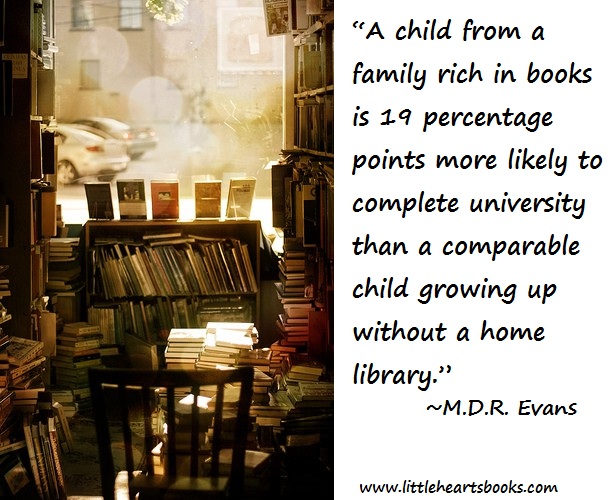
Successful reading means far more than possessing the ability to read. Engaging the hearts of students moves reading success beyond a life skill and turns it into a life style. And graphic novels are too powerful of a tool in our arsenal to be disregarded because of pride or prejudice. Raising Super Readers~The MARVELous Power of Comic Books!
In the world of a child wonders are as simple as sticks and sheets, leaves and books, boxes and giggles, and the promise in a rainy day. The Seven Wonders of the World of Childhood
Think homeschooled children are unsocialized, over-controlled, locked-away-from-the-world misfits? Think again! My Renaissance Girl
Parenting choices strongly impact the level and type of attachment a child develops and, by extension, the development of a love of learning. A love of learning grows when it isn’t stifled by fear or stress or regimented by over-structuring or a focus on achievement or competition. Parents fostering a healthy attachment are thus also fostering a life-long love of learning in their children. Love, Play, Learn!
On a Winnie the Pooh style ‘long explore’ my little Pooh Bear discovered the world in The Many Adventures of My Little Pooh Bear
If you give a toddler a book
It’s never too early!
He’ll climb into your lap
While he’s in your lap
He might lay his head on your chest
When he lays his head on your chest
He’ll hear your heartbeat
When he hears your heartbeat
He’ll probably ask if you can hear… If You Give A Toddler A Book…
My SPD/SLD/ADD (Sensory Processing Disorder, Specific Learning Disability-Dyslexia, Visual and Auditory Processing Disorders, Attention Deficit Disorder, etc) sweetie, aka Renaissance Girl, has raised the bar on my homeschooling skills more times than I can count. Her beautiful mind sees the world through a unique lens similar to those of historical icons such as Thomas Edison, Leonardo Da Vinci, Benjamin Franklin, and Albert Einstein…Beautiful Minds
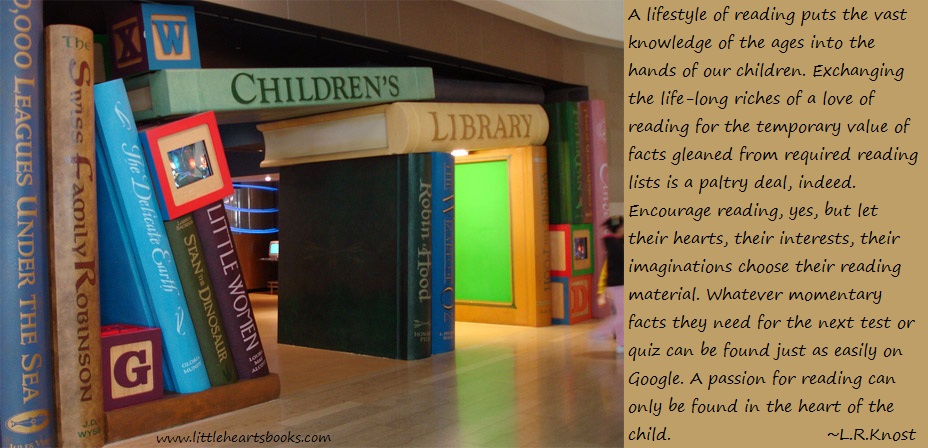
Award-winnning author, L.R.Knost, is the founder and director of the children's rights advocacy and family consulting group, Little Hearts/Gentle Parenting Resources, and Editor-in-Chief of Holistic Parenting Magazine. Books by L.R.Knost include Whispers Through Time: Communication Through the Ages and Stages of Childhood ; Two Thousand Kisses a Day: Gentle Parenting Through the Ages and Stages ; The Gentle Parent: Positive, Practical, Effective Discipline ; and Jesus, the Gentle Parent: Gentle Christian Parenting the first four books in the Little Hearts Handbook gentle parenting series, and children’s picture books Petey’s Listening Ears and the soon-to-be-released Grumpykins series.
One Slippery Sock & Other Silly Tools for your Parenting Toolbox
They say laughter is the best medicine. While that may be true, there are other important uses for the tincture of silliness that should not be overlooked! Here are a few:
- Your two-year-old digs his heels in at bedtime in an Oscar-worthy imitation of a mule. Give the ‘one slippery sock’ routine a try. Put socks on your feet and, when you call him to head off with you to begin your bedtime routine, start slipping and sliding on one side. Just little slips and slides will do the trick, along with a good helping of parental confusion over the possible reasons you’re having so much trouble walking. Little people love slap-stick, and you can bet your dawdler will hurry along to get in on the fun!
- Your eighteen-month-old suddenly stops enjoying the novelty of tooth-brushing and locks her little jaws tighter than a bulldog latched onto a bone. Try ‘tickling the ivories.’ Brush your own teeth first, giggling and dancing around the bathroom the whole time like you’re tickled at being tickled (while your little one watches, of course). Then release the gentle tooth-tickler on your most likely already giggling baby and say, “Tickle teeth! Tickle teeth!” while brushing those pearly whites.
- Your three-year-old eschews the use of shoes no matter how many choices of style and color you offer. Try the ‘superhero’ approach. Instead of the tired, old, “Time to get your shoes on,” routine…say, “The terrible-toe-tickling super villain is on the loose! We need some superhero armor on those feet, quick!” Be prepared to take the time to discuss the relative protective qualities of the available ‘armor’, but then get those toes to safety!
- Your six-year-old chatterbox could make a monk revoke his vow of silence just to say “Shhhhhh!!!” Try the ‘seven super silly seals sent slippery slippers to their sisters’ treatment. Give your little chatterbox a tongue-tying-twisty-treat and the promise of your full attention for five minutes when she thinks she’s ready to say it ten times fast. Then enjoy your two minutes of quiet until she returns!
- Your nine- and seven-year-olds are at each other like cats with their tails tied together. How about a ‘bag on your head while you listen to the ‘he said/she said’? When you head in to break up the gazillionth argument of the day, slip a paper bag with a great big goofy smile and a couple of googly eyes drawn on it over your head first. It may not solve everything, but it’ll be super hard for them to stay mad at each other, and a little levity might just diffuse the tension!
- Your high-schooler is one stressed-out teen with SATs looming, homework mounting, friend drama annoying, and hormones swirling. It’s time for a ‘pajama-night-out-orama’! Wait until the house settles, everyone’s in bed for the night, and all is quiet…then leave your spouse in charge of the house while you sneak your teen out the back door with you for a one-on-one run through Dunkin’ Donuts and sit in the car in your driveway stuffing your faces and letting her unstuff all the angst that’s been building up inside of her. Might not be good for your arteries, but it’ll do her heart a world of good!
Silly works! Don’t handicap your parenting by forgetting one of the most powerful tools in your parenting toolbox.
Related posts:
Babes and Boundaries~A Gentle Parenting Perspective
Parenting in Public: Toddler Time
Award-winnning author, L.R.Knost, is the founder and director of the children's rights advocacy and family consulting group, Little Hearts/Gentle Parenting Resources, and Editor-in-Chief of Holistic Parenting Magazine. Books by L.R.Knost include Whispers Through Time: Communication Through the Ages and Stages of Childhood ; Two Thousand Kisses a Day: Gentle Parenting Through the Ages and Stages ; The Gentle Parent: Positive, Practical, Effective Discipline ; and Jesus, the Gentle Parent: Gentle Christian Parenting the first four books in the Little Hearts Handbook gentle parenting series, and children’s picture books Petey’s Listening Ears and the soon-to-be-released Grumpykins series.
Babies Do Not Manipulate-They Communicate
[Portions reprinted from Whispers Through Time: Communication Through the Ages and Stages of Childhood by L.R.Knost. Two Thousand Kisses a Day: Gentle Parenting Through the Ages and Stages and The Gentle Parent: Positive, Practical, Effective Discipline also available on Amazon and through other major retailers.]
~~~~~~~~~~~~~~~~~~~~~
 On a recent trip to the park, I overheard a parent ranting and raving about a little one “being a brat and always pitching fits.” It took me less than two seconds of looking at the child to realize his mother had put him down on hot asphalt without shoes on, and his ‘fit’ was actually cries of pain as he danced around trying to keep his poor little feet off the asphalt while trying to push past his mommy to get back into the car. In a few years this mother will wonder why her ten-year-old is always so sullen and silent.
Later the same day in Wal-mart, a three-year-old asked her mommy what plastic wrap was for. The mother rolled her eyes and snapped, “For wrapping food in plastic, duh.” A few years from now, this mother will confess to a friend that she has no idea why her nine-year-old is so mouthy and rude.
Minutes later, a two-year-old riding past me in a shopping cart pointed at a toy and babbled in her cute baby language, looking at her daddy with a delighted smile. Her father ignored her first few attempts to get his attention, then finally barked, “Shut up!” without ever looking at her. In a few years this father will complain to his co-workers that his teenaged daughter never talks to him.
Communication in my son’s Tae Kwon Do classes is called, “The link between the world and me.” In the parent/child relationship, communication is entirely…hear this…entirely the responsibility of the parent. From the moment a child enters the world, they are trying to communicate. Crying, grunting, making eye contact, mirroring expressions, all of these things are the instinctive tools built into infants to reach out into a brand new world and make contact. They can do no more. It is entirely up to the parent to make the connection, to respond, to build those all-important ‘lines of communication’ that will be so vitally important to parents in later childhood. Communication is not something that just happens. It is not something that begins when a child becomes verbal, and it’s not a product of a child’s advancing maturity. Communication is a process, a relational building block, a result of intentional and responsive parenting.
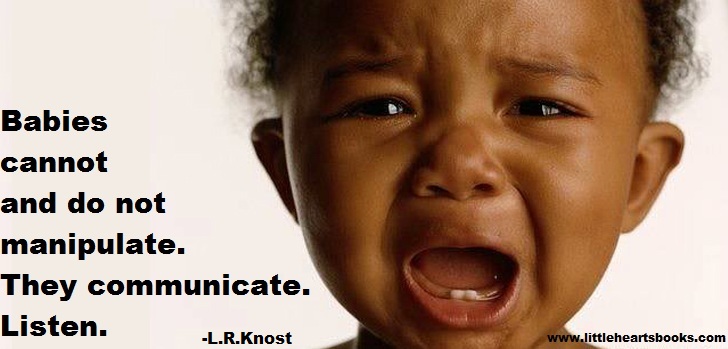 Crying is often mischaracterized as manipulation, and adults are certainly capable of using it that way. But to project such motivations on a baby is to grant them a level of skill and control far, far beyond their capabilities, and that is a potentially disastrous mistake. A parent’s perception of the motivation behind their child’s behavior is often the single most powerful determinant of the parent’s response. And the parental response or lack of response to a nonverbal child’s cries either builds or damages their communication and connection. There is no in between, no neutral.
Babies cannot and do not manipulate. They communicate. Listen. Respond. You aren’t being manipulated. You are being a parent.
And hear this well, parents, your relationship with your teenager is being established now, while your child is still a toddler. Your discipline issues with your nine-year-old are being minimized or intensified right now, while he is reaching out to you in infancy. Preschooler’s tantrums are being moderated or exacerbated at this moment by your response or lack of response to your baby’s cries.
 And the responsibility for building communication and connection with your child doesn’t end when your child becomes verbal. There is a reason children aren’t classified as adults until they are, in fact, adults. They simply do not have the judgment, experience, or maturity of an adult. Parents, you are the center of your child’s world for many years, and they will model themselves after the example you set.
If you listen to them, they will learn to listen. If you are rude to them, they will learn to be rude. If you treat them with respect, they will learn to be respectful. If you are angry, demanding, and harsh with them, they will learn to be angry, demanding, and harsh.
You decide every day by your parenting choices what kind of an adult you are going to raise. So live out how you want your children to turn out. That is the heart and soul of gentle, effective parenting.
Related posts:
The Taming of the Tantrum: A Toddler’s Perspective
When Children Act Out ~ Reflecting Our Emotions
Backtalk is Communication…LISTEN
Testing the Boundaries~What’s a Parent to Do?
Toddlers, Tantrums, and Time-Ins, Oh My!
Spare the Rod: The Heart of the Matter
Award-winnning author, L.R.Knost, is the founder and director of the children's rights advocacy and family consulting group, Little Hearts/Gentle Parenting Resources, and Editor-in-Chief of Holistic Parenting Magazine. Books by L.R.Knost include Whispers Through Time: Communication Through the Ages and Stages of Childhood ; Two Thousand Kisses a Day: Gentle Parenting Through the Ages and Stages ; The Gentle Parent: Positive, Practical, Effective Discipline ; and Jesus, the Gentle Parent: Gentle Christian Parenting the first four books in the Little Hearts Handbook gentle parenting series, and children’s picture books Petey’s Listening Ears and the soon-to-be-released Grumpykins series.
College for Struggling Learners
by Lee Binz
The HomeScholar
 Learning to Compensate
Dealing with learning challenges is difficult, but in high school, it can become seriously concerning. You don’t have to be afraid! With the great student to teacher ratio of homeschooling, and the love for your child, you have what it takes!
Debbie was at her lowest point when she realized her 12 year old son, Dan, could not read or write in his Sunday school classes. She had to carefully shield him from the judgment of others. Her homeschool friends were very understanding, but she worked hard to keep him away from situations where he would have to read aloud. She was distraught. Again and again they changed curriculum, hoping each time that a new curriculum would change everything. It seemed like nothing would ever work. He struggled with learning all the way through high school. She never had him officially tested, because she didn’t want him to be labeled as an adult. Dan has achieved wonderful things since graduating homeschool!
When Dan turned 18, he started working at Starbucks. An excellent worker, he received nothing but positive feedback which motivated him to continue his education. He decided to attend college. He didn’t score well on the SAT, so they did not report his scores to colleges. He entered college “through the back door” his mother said, by attending community college first. His excellent work ethic and love of learning helped him thrive where others felt adrift. Dan transferred from community college to the university with a 3.89 grade point average. There were 300 applicants to the business school this year, and Dan was one of only 100 admitted. Debbie says “He finally realizes he can do it!”
 Debbie has some great advice for parents. Don’t push them before they are ready. She was glad she kept him home, so that he could avoid the negative feedback from a public school setting. She read aloud to Dan constantly – even his high school textbooks, when necessary. She used verbal assessments in all his classes, and didn’t introduce essay writing until much later.
She recommends books by Dr. Raymond Moore, including Better Late Than Early: A New Approach to Your Child’s Education and Grace Llewellyn, The Teenage Liberation Handbook: How to Quit School and Get a Real Life and Education and Cynthia Tobias, The Way They Learn. She says, “You feel like you’re failing – like you didn’t do something right.” Don’t be deterred, though. It takes a lot of one-on-one time, but that’s the benefit of homeschooling. Read to them their textbooks, and the classics. Even in college they can be allowed help with reading.
 In her lowest moments, Debbie would remember her grandfather. He also could not read. His wife would read blueprints to him each night so he would be prepared for work the next day. Still, he grandfather was a successful businessman. He was able to compensate. Her son Dan is able to compensate now.
Her biggest surprise was realizing that Dan wanted a college degree. She had never thought he would go to college, and only vaguely considered a technical school. But when he worked at Starbucks, he identified his gift in business. So her additional advice is the same as mine. She says, “Even if you think they won’t go to college, they may – so always be prepared!”
Dan is so thankful he was homeschooled. He has said he would never put his own children in public school. He knows that if he had been in public school, he wouldn’t be where he is today. Nurturing is critical, and homeschooling can provide that best. Debbie says, “I remember the hopelessness. They CAN succeed and excel – just give them the tools.”
Learning to Teach
 JoAnn homeschooled her two daughters, feeling extremely unsure of her abilities – until her girls were officially diagnosed with learning disabilities. Once she had the diagnosis, she realized that homeschooling was the best option. She didn’t want her girls ostracized and placed in a “special” group that would have a negative effect on their socialization skills. Even her mother became increasingly supportive of homeschooling after the diagnosis was made.
Her two girls could not read until half-way through 5th grade. They struggled in reading, writing, and spelling. Joann took her children to The Slingerland Institute. She recommends two pamphlets that really helped her cope. One is Why Wait for a Criterion of Failure. The other is An Adaptation of the Orton-Gillingham Approach for Classroom Teaching of Reading, both by Beth Slingerland.
JoAnn’s advice is “Never despair! The timing of brain growth is on your CHILD’S timetable, not yours. Accept it, because you certainly can’t change it!” She wishes she would have dropped more academic subjects when they were in elementary school. Still, she is so glad she homeschooled. “Homeschooling is better for dyslexic kids for the positive encouragement and socialization.”
 She taught with multi-sensory input and multi-sensory output. In every subject she worked to provide lessons with audio, visual, AND tactile input. She would supplement courses with drama, hands on projects, and verbal assessments all the way through school. Her daughters were especially helped by the use of color. Her daughter still color codes her college lecture notes to improve her retention.
JoAnn’s older daughter went directly into the University and majored in biology with a minor in chemistry. She has recently graduated with an advanced degree as a Veterinarian Technician. Her younger daughter also went directly into the University. She will graduate with a degree in interior design, and has already done some design work for Bill Gates as a college intern. Both girls were very successful in college.
Learning to Cope
Jill is hesitant about labeling her daughter in any way, but knew she faced some unique challenges even though she wasn’t formally diagnosed. Her daughter recently became a National Merit Scholarship Semi-Finalist. Here is what Jill says about her daughter’s struggles: “She worked hard and I’m very proud of her. She is the daughter that would fit into the statement ‘I could never homeschool my child because….’ She is very active, intense, dramatic and a joy to be around. I am convinced that if she were in the public school we would have been ‘encouraged’ to put her on medications (the standard line around here, when she is getting jumpy is to ‘run up to the mailbox and get the mail’ which is a mile round trip). She has forced me to think outside of the box and, well, it is an adventure I’m sorry to see come to a close.”
 Like the other mothers, Jill was able to find a way to harness strengths and weaknesses, and teach her child to compensate for difficulties. With a parent’s close attention, unique coping mechanisms can develop. A homeschooling parent can see small successes, and learn to shape and mold new ways of coping with each challenge.
Joelle is right in the thick of things, with her young child. I asked her for some advice for others, and she emphasizes that coping comes from faith. This is Joelle’s experienced advice.
“A learning ‘disability’ (a word I hesitate to use for anyone who doesn’t have a severe condition) isn’t something you can just make go away if you have a clinic and a handful of web links. A learning challenge is best addressed with being sensitive to learning style and interests, which, as you know, vary from child to child.
A learning challenge is also a mindset, a lifestyle, and sore knees from prayer. A learning challenge means you’ll come face to face with your pessimism and lack of faith through tears of mourning for the child you don’t have. But lest anyone abandon hope, a learning challenge also means seeing God answer those tears by turning them to tears of what is, hands down, absolutely the most incredible joy when you see the triumphs. You will see those victories sooner or later on Earth or in Heaven.
A learning challenge leads to personal growth in the siblings of the challenged child. A learning challenge is a worldview, a lens, a perspective. It’s the fierce mother-bear love you have when you whisper to your child, ‘Don’t listen to the naysayers. I love you no matter what, and I’m still your teacher.’ I can’t put this in a box. I can offer a short list, but there’s only one resource on here that I can guarantee hands down will help everyone. The rest can be labeled ‘of interest.’
1) The Bible. Children are people – in fact, they are the most human of people. There are lots of passages on how we are to deal with our fellow humans. This is the only resource on this list that I can guarantee *will* help.
2) Last Child in the Woods: Saving Our Children From Nature-Deficit Disorder by Richard Louv – read this concurrently with #3
3) Smart Moves: Why Learning Is Not All in Your Head by Carla Hannaford – which will probably lead to curiosity about #4
4) Brain Gym or similar therapies offered by #5 and #6
5) The National Association for Child Development ( )
6) The Developmental Movement Center, Seattle (206) 525-8038″
Learning to Grow
Jay Smith of Linfield College says this, “The advice that I’d give to your students, is to simply be proactive in their college search process. The students shouldn’t be afraid to ask colleges if they offer support for students with learning disabilities, and what that support entails. We have high expectations of our students, but we also understand that we all learn in different ways.”
 Some colleges have an extremely supportive environment for children with learning disabilities. Redeemer Pacific College is a small Catholic college in Langley, BC, affiliated with Canada’s premier Christian liberal arts university, Trinity Western University. Admissions Coordinator Jennifer Friesen says, “All RPC students are able to use the services for students with disabilities offered through TWU, including access to the Learning Resource Centre and starting off their university career at TWU’s Freshman Academy.” The Learning Resource Centre offers services such as note taking, accommodated examinations and providing material in alternate formats.
Freshman Academy is a program for students who have not met the requirements for admission into university due to a low grade point average or missing academic courses. Friesen says, “Freshman Academy allows students to go through their classes in a small cohort with the support of their professors, a faculty Learning Coach, and their classmates. Once students have completed Freshman Academy they are able to directly enter their second year of university at Redeemer Pacific and Trinity Western.”
When I go to college fairs, I notice how many colleges truly specialize in students with learning struggles. They WANT your students, and they are ready, willing, and able to teach them.
Learning to Succeed
 You can request accommodation for the SAT and ACT if necessary, which does require a doctor’s diagnosis. If you don’t want accommodation for the college admission tests, a diagnosis may not be necessary. You may feel comfortable with your homeschooling methods, and don’t need additional help or direction. Perhaps a specialist will not impact what you’re doing, and a diagnosis may not change anything or be worth your while. On the other hand, if you are completely baffled about how to teach your student in a way that makes sense, and the input of a specialist will help you and change what you are doing, then evaluation may be useful.
If you think a diagnosis will help YOU, then I think it will help your child. In that situation, testing would be worthwhile, even if it’s inconvenient. If testing will not help you, then it may not be necessary.
Keep in mind your long-terms goals. You want your child to grow up and have their own home. You want them to succeed and thrive in anything they choose. There are colleges that specialize in learning disabilities. There IS a great college out there for him, and they will understand and accept any learning issues without hesitation. Search and you will find just the right college.
Lee Binz, The HomeScholar, specializes in helping parents homeschool high school. Get Lee’s 5-part mini-course, “The 5 Biggest Mistakes Parents Make Homeschooling High School.” You can find her at http://www.TheHomeScholar.com. Sign up for our newsletter, The HomeScholar Record: http://www.thehomescholar.com/homeschool-newsletter.php
Award-winnning author, L.R.Knost, is the founder and director of the children's rights advocacy and family consulting group, Little Hearts/Gentle Parenting Resources, and Editor-in-Chief of Holistic Parenting Magazine. Books by L.R.Knost include Whispers Through Time: Communication Through the Ages and Stages of Childhood ; Two Thousand Kisses a Day: Gentle Parenting Through the Ages and Stages ; The Gentle Parent: Positive, Practical, Effective Discipline ; and Jesus, the Gentle Parent: Gentle Christian Parenting the first four books in the Little Hearts Handbook gentle parenting series, and children’s picture books Petey’s Listening Ears and the soon-to-be-released Grumpykins series.
A September to Remember: I’ve Gone to the Dork Side
Such a sweet ‘attic find’ from Zoie @ TouchstoneZ!
~~I’ve Gone to the Dork Side~~
 Image via Wikipedia
Nat has a fairly decent obsession with Legos right now. So, we took the family to a Lego convention in San Jose. Being Legos and being in Silicon Valley, the convention was filled with a variety of nerd species. There were steam punks, Star Wars and Star Trek (avoiding one another of course) and even a few self-created Sci-fi-ish creatures. The majority were those I affectionately call garden variety geeks.
I love nerds. I wish when I was younger that I had recognized their coolness. I would have made much healthier choices in boyfriends and girlfriends if I had gone to the dork side earlier. Most of the kids in my circle were more concerned with vying for social status than in being kind or understanding of other people. It was not something I enjoyed, so I hopped around from friend to friend every few weeks when the back-biting got to be too mean for me. I have found most geeks to be genuinely interested in understanding one another’s diversity in a more organic way than the garden variety un-geek. There are of course many exceptions on both sides of wherever that arbitrary dork-line is drawn. I tend to be attracted to those who have that quality of acceptance and really, even the un-geeks are still freaks, they’re just better at appearing normal (cliché alert: whatever normal is)
I’m married to a self-named geek. I’m not entirely certain that his high school classmates would agree if his yearbook is any indication. But he does have the hallmarks, such as, being a techie, loving SciFi, and having a few embarrassing photos of his 12 year old self, involving a Blues Brothers hat and shorty-short shorts. Aside from that, he’s self-confident although quiet. He’s very open to his much more emotional wife’s hare-brained ideas about crunchy parenting and green living (except backyard chickens, but I’m working on that.) He’s down with wearing a Star Wars shirt and rocking an Ergo.
We went from display to display of intricate lego builds with Nat extolling his wonderment. Gan had an excellent view from the carrier on his Dad’s back, so was also entranced. Bud was getting squirmy and needed a feed, though. I spotted an empty hotel conference room style chair pushed against the wall and quickly pounced on it so I wouldn’t have to breastfeed sitting on the floor. Sitting on the floor to breastfeed can be nice because fewer people glance at me (unless I position myself accidentally at a hallway junction or something, as I’ve been known to do when distracted by a rooting bub) But I’d prefer not to directly expose myself or my nursling to the unknown level of cleanliness of or the industrial cleaners used on a hotel conference hall carpet.
 My View of Lego Festival
So, I breastfed on this hotel chair with my back to the wall, sandwiched between some worn out grandparents and I noticed something. I was being looked at. A lot. But, not in the way you’re probably thinking. It certainly wasn’t something I was used to.
There were many moms there trailing behind their gangly teen sons who overtopped them by a foot. And they would each smile fondly as they passed by. I could see in their faces that they remembered their boys as babes at the breast. I felt uplifted by these wordless connections. It’s not often I have such an overwhelmingly supportive experience breastfeeding in a crowd of strangers.
I smiled at my own nursling and imagined him overtopping me by a foot by the time he’s a teenager. I hope I’m lucky enough to trail behind him at a Lego festival and smile wistfully at another mama breastfeeding a future dork.
Thank you to Zoie @ TouchstoneZ for her generous contributions to ~A September to Remember~ and don’t forget to check out her blog!
Award-winnning author, L.R.Knost, is the founder and director of the children's rights advocacy and family consulting group, Little Hearts/Gentle Parenting Resources, and Editor-in-Chief of Holistic Parenting Magazine. Books by L.R.Knost include Whispers Through Time: Communication Through the Ages and Stages of Childhood ; Two Thousand Kisses a Day: Gentle Parenting Through the Ages and Stages ; The Gentle Parent: Positive, Practical, Effective Discipline ; and Jesus, the Gentle Parent: Gentle Christian Parenting the first four books in the Little Hearts Handbook gentle parenting series, and children’s picture books Petey’s Listening Ears and the soon-to-be-released Grumpykins series.